
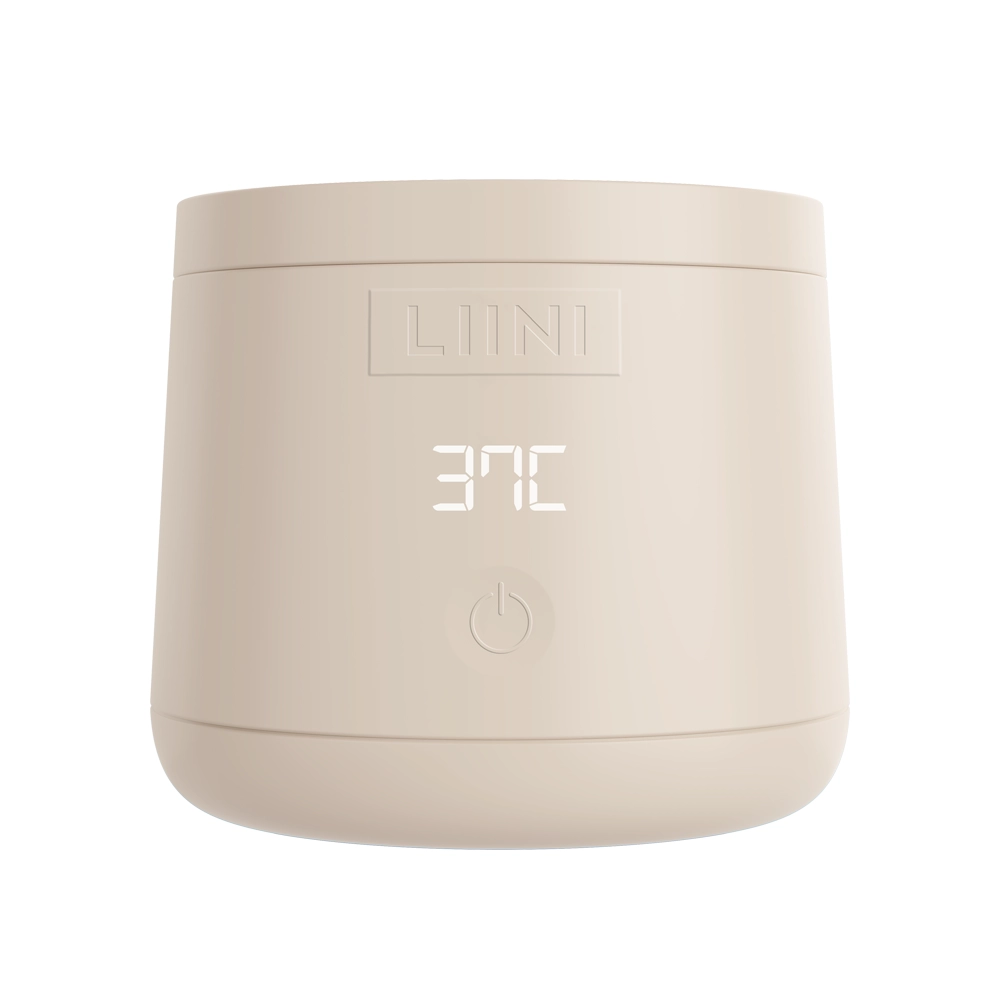
 4.0 PRObattery · on the go
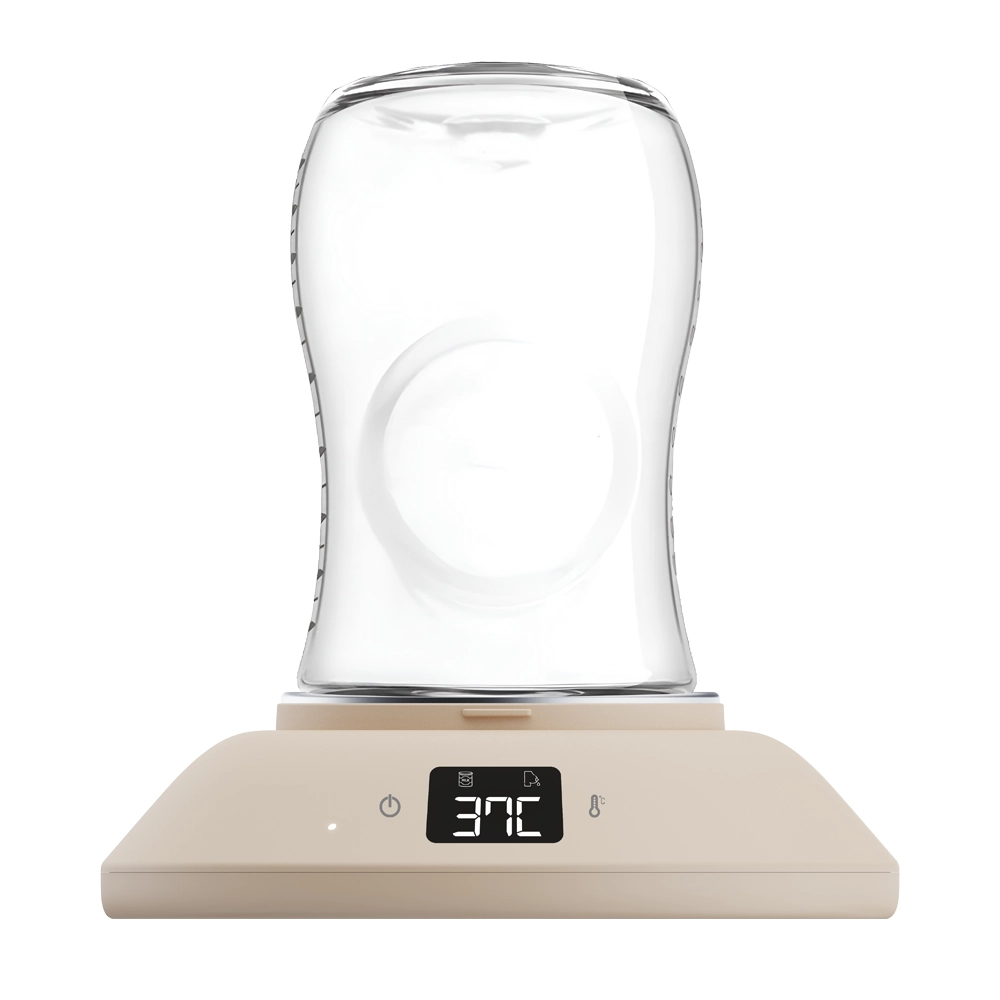 Home 230Vfor home
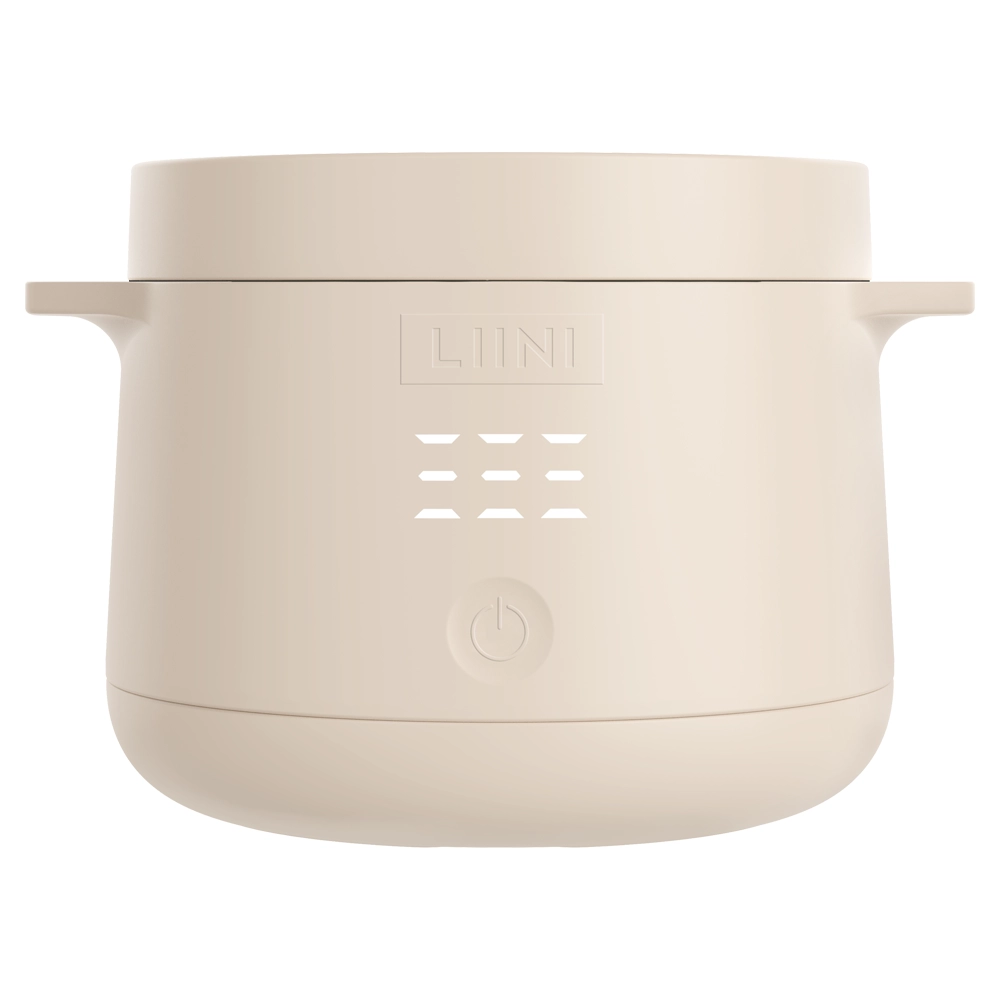 Baby food warmersfrom 6 months
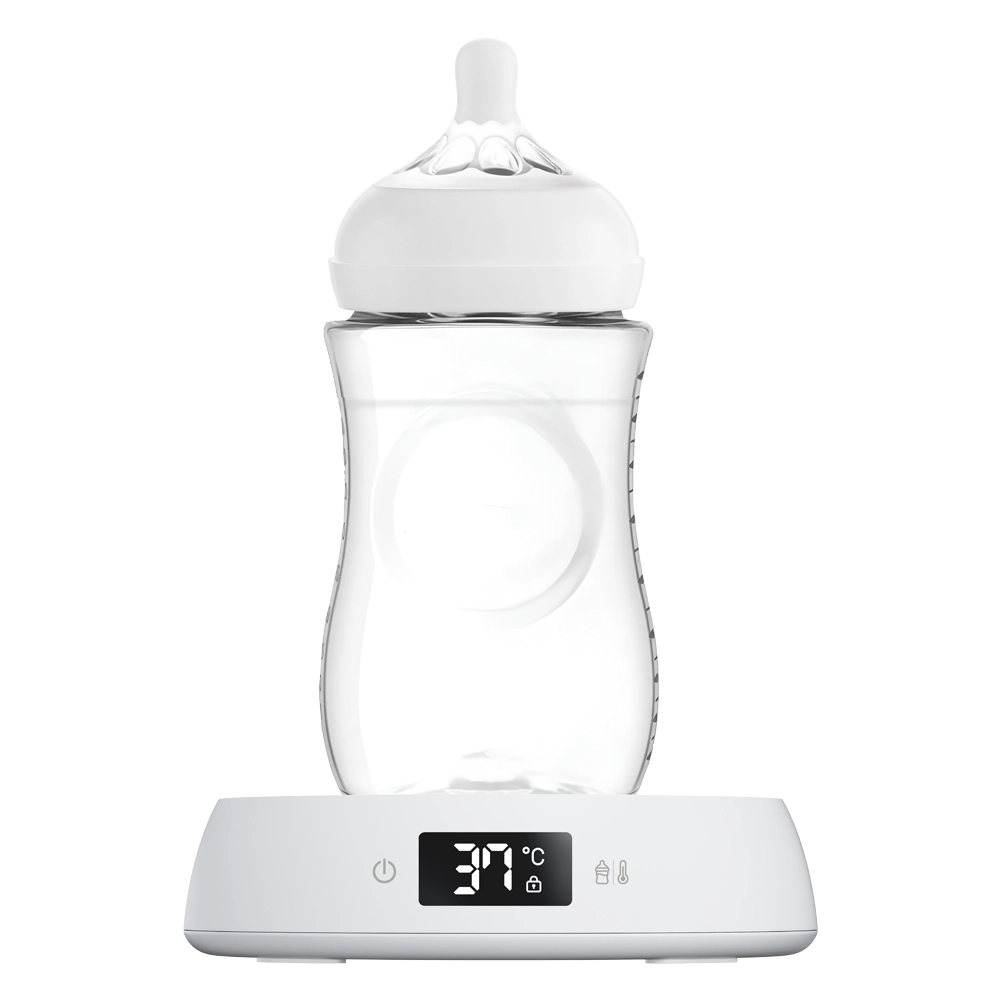 Night Stationfor the night





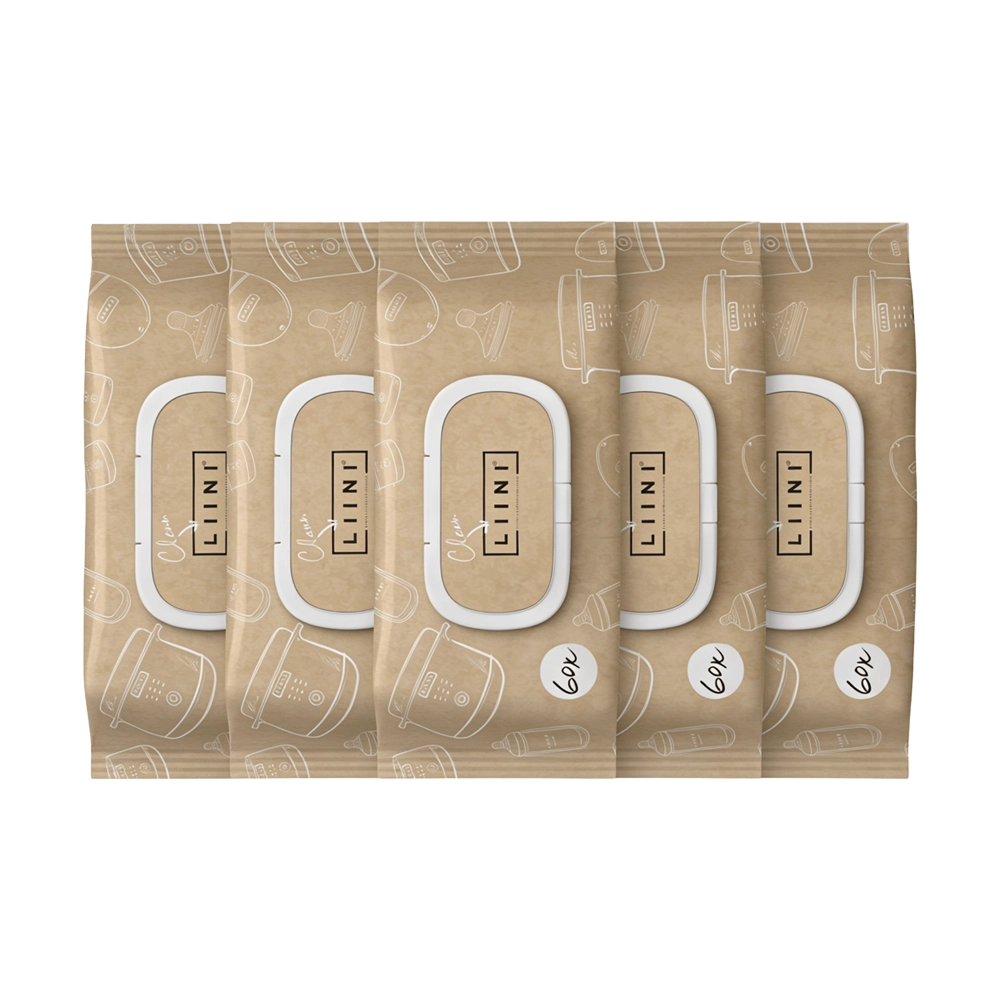 Cleaning Wipes Monthly Pack
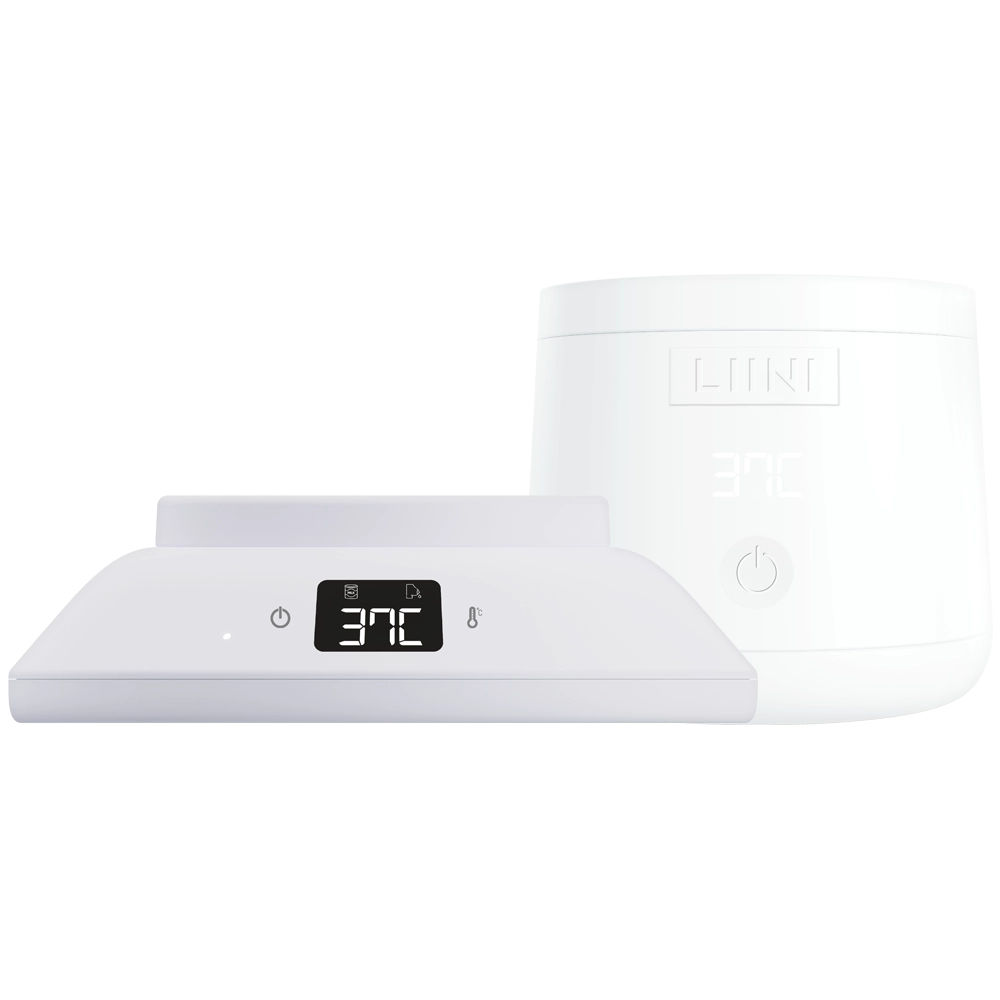 Home & 2Go Bundle
 Formula Dispenser Avent
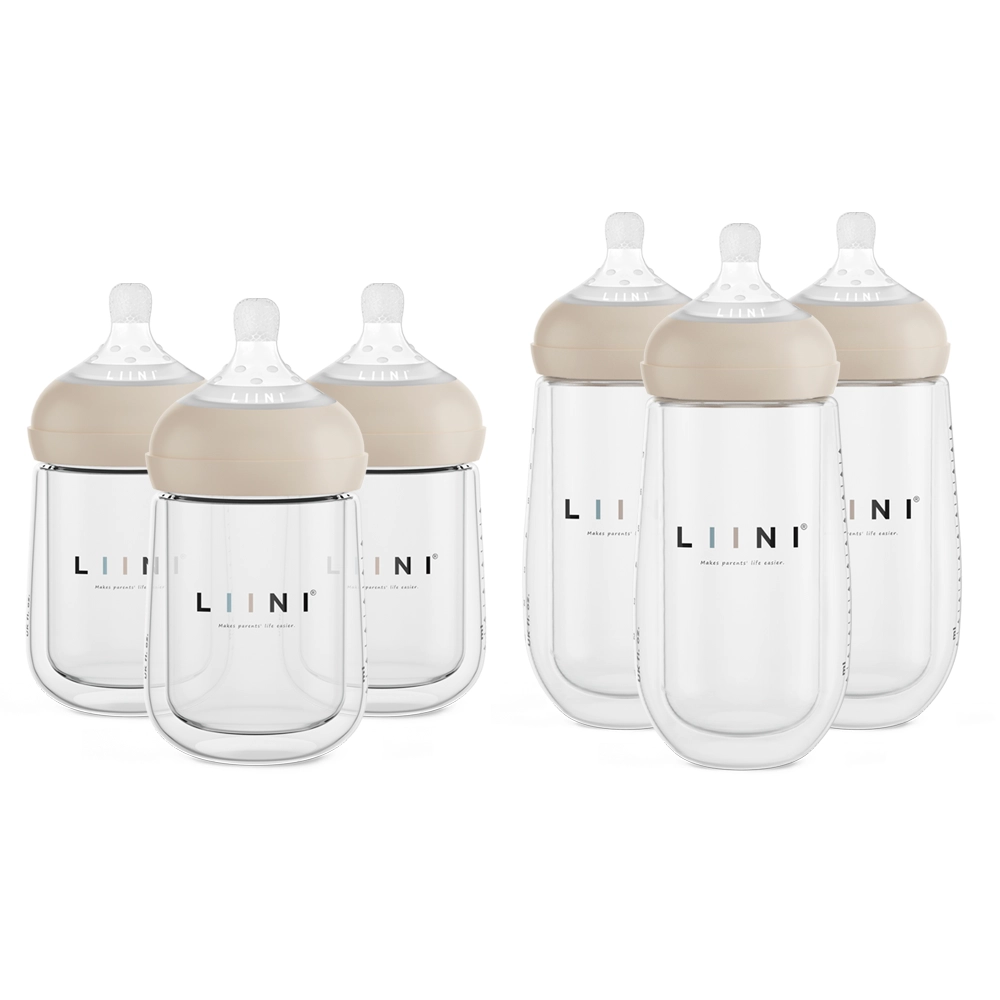 Baby Bottle Bundle














Packing Your Hospital Bag: A Checklist for Childbirth
When to pack, and what to pack? The checklist for your hospital bag: documents, childbirth, postpartum care, a support person, and the trip home with the infant car seat.

Contents
In short
Pack your hospital bag about three weeks before your due date; it should be ready by 37+0 at the latest. Include your ID, health insurance card, and—depending on your situation—a family registration certificate or acknowledgment of paternity, as well as comfortable clothes for labor and the postpartum period, toiletries, charging cables, and a kit for your baby’s trip home. If you’re driving home, an infant car seat is required. Many hospitals provide diapers, baby clothes for your stay, and postpartum pads—be sure to ask when you check in.
When labor starts, you won’t want to be scrambling to find things. With a packed hospital bag—usually called a “Kliniktasche” in Germany and Austria—you’ll feel more relaxed on your way there. Here you’ll find all the checklists you need: documents, childbirth, postpartum, your support person, and the trip home with your baby.
When should you pack your hospital bag?
The Zurich City Hospital recommends that you have your hospital bag ready starting at 37+0, that is, once you’ve reached the 37th week of pregnancy. The Winterthur Cantonal Hospital, the Bethesda Hospital in Basel, and the British National Health Service (NHS) advise packing about three weeks before your due date. The health insurance provider Helsana even suggests having it ready by the 30th week.
It never hurts to pack early: According to the University Hospital of Zurich, about 7 out of every 100 babies in Switzerland are born prematurely—that is, before 37 full weeks. The “Calculate Your Due Date” guide will show you which week of your pregnancy you’re currently in.
- Organize documentsby category: birth, postpartum, baby, and support person. Small pouches help keep things organized.
- Write a last-minute note: Jot down what you’ll add at the very end, such as your cell phone, charging cable, glasses, or your medications. Stick the note on the outside of the bag.
- Brief your support person. Show her where the bag is and what’s inside.
A backpack with plenty of compartments—one that you’ll continue to use afterward—is a great choice. The LIINI® diaper backpack has a capacity of 29 liters and features 4 exterior and 5 interior compartments, including a waterproof wet compartment. After the birth, it doubles as a diaper bag. The checklist for packing a diaper bag shows you what to include.
From LIINI


Documents for the hospital and the civil registry office
In Switzerland, according to ch.ch, the hospital or birthing center must report the birth to the civil registry office within three days. The documents they’ll need from you depend on whether you’re married and what your nationalities are. It’s best to ask about this when you register the birth at the hospital.
- Passport or ID card
- Health insurance card
- Blood type card and allergy card, if available
- Prenatal record, immunization record, and lab results from your pregnancy, if available
- Documents you received when you registered for childbirth at the hospital
- Married: Family registration certificate or family record book, if available
- Unmarried: Confirmation of paternity, if the father has already acknowledged the child before birth
- Foreign nationals: Passport, alien registration card (residence permit), and any documents required by your civil registry office
- Birth plan, if you have one
According to the City of Zurich, unmarried fathers can acknowledge paternity at the Civil Registry Office even before the birth. If you have a foreign passport, it’s best to contact the Civil Registry Office before the birth, as the required documents vary by country. In the canton of Thurgau, married foreign parents without a family registration certificate need, for example, original birth certificates and a marriage certificate that are no more than 6 months old. In the City of Zurich, you must provide your child’s name on the “Naming” form within 24 hours of the birth at the hospital or birthing center.
Good to Know
According to familienplanung.de, in Germany you should pack your ID card, maternity record, health insurance card, and family register or marriage certificate in your hospital bag. If you’re single, bring your birth certificate.
Hospital Bag Checklist: Childbirth, Postpartum, Support Person
These lists are based on the packing lists from Zurich City Hospital, University Hospital Zurich, Inselspital Bern, familienplanung.de, and the NHS.
For Childbirth
- Comfortable clothing: a loose-fitting shirt, sweatpants, or nightgown
- Two pairs of warm socks and slippers
- Lip balm and a hair tie
- Glasses, if you usually wear contact lenses
- Snacks and something to drink
- Cell phone, charging cable, headphones, and your music
- Things that make you feel good: your own pillow, a photo, massage oil
For Your Postpartum Stay at the Hospital
The Zurich City Hospital estimates a 2- to 4-day stay after childbirth. Pack the following for this time:
- Comfortable clothing, roughly the size you’d wear in the 6th month of pregnancy
- 1 to 2 nursing bras without underwires
- Pajamas or a nightgown that opens in the front, and a robe
- A few pairs of comfortable underwear
- Toiletries
- Your medications
- Clothes for your trip home
To find out what to expect during the postpartum period and what your midwife and health insurance will cover, read the guide “Postpartum: Midwife and Health Insurance.”
For the support person
- A change of clothes and toiletries
- Snacks and drinks
- Cell phone, charging cable, and possibly a power bank
- Some loose change
Some hospitals, such as the Hirslanden Clinic, offer an overnight stay for a companion, depending on your insurance coverage. Be sure to ask in advance how much it costs.
For the Baby: The Trip Home and the Infant Car Seat
During your stay, many hospitals provide clothes and diapers for your baby. For the trip home, pack your own set:
- Bodysuit, footed onesie, jacket, hat, and socks in size 50 or 56
- Blanket or muslin cloth
- Depending on the season, a warm blanket or a sleeping bag for the infant car seat
- Car seat for the car; for walking, a stroller or baby carrier
Please note
If you’re driving home, an infant car seat is required. In Switzerland, according to the BFU, children must ride in an appropriate child safety seat until they are 12 years old or 150 cm tall, whichever comes first. Always install the infant car seat facing backward, and only place it on the front passenger seat if the front airbag is deactivated. In Germany, the same rule applies under the Road Traffic Regulations; in Austria, the requirement applies to children up to age 14 and under 135 cm in height.
Try out the infant car seat in your car before your appointment and read the instructions. You don’t need to bring the car seat to the hospital right away: According to Helsana, it’s enough for your companion to bring it on the day you’re discharged. The starter kit checklist shows what else your baby will need at home.
What you don’t need to bring
What each hospital provides varies, so it’s best to ask when you check in. The Zurich City Hospital, for example, provides nursing pads, postpartum pads and mesh panties, towels, a hospital nightgown, baby clothes, a baby sleeping bag, and diapers. The University Hospital of Zurich and the Hirslanden Clinic also state that they provide everything the baby needs during the stay.
- Valuables: According to Spital Thurgau, it’s best to leave jewelry, credit cards, and large amounts of cash at home. The hospital is not liable for any losses.
- Tampons: After giving birth, you’ll need absorbent pads, not tampons, according to the checklist on familienplanung.de.
- Stroller: Like the infant car seat, it can be delivered on the day of discharge.
Birth Center and Outpatient Birth
The birthing center also reports the birth to the civil registry office; in the case of a home birth, the midwife does so. You’ll need these documents everywhere. Ask your birthing center for its own packing list, as what’s provided there varies.
According to the Swiss Midwives Association, if you have a natural, outpatient birth, you can go home just a few hours after giving birth if you wish. Hirslanden Clinic recommends waiting six to eight hours after delivery, provided you and your baby are doing well. After that, your midwife will support you at home during the postpartum period. For you, this means packing fewer clothes, but making sure your travel kit and infant car seat are ready from the start. Be sure to choose your midwife while you’re still pregnant.
To find out when to go to the hospital if you’re having contractions or your water has broken, read the guide “Contractions and Water Breaking: When to Go to the Hospital?”
Frequently Asked Questions
When should I pack my hospital bag?
About three weeks before your due date, according to the Winterthur Cantonal Hospital, Bethesda Hospital, and the NHS. The Zurich City Hospital recommends having the bag ready by 37+0 weeks. If you pack it earlier, you’ll also be prepared for a premature birth.
Is a “kliniktasche” the same thing as a “Spitaltasche”?
Yes. In Switzerland, it’s called a “Spitaltasche”; in Germany and Austria, it’s usually called a “Kliniktasche” or “Klinikkoffer.” It always refers to the bag containing everything you’ll need for the birth, the postpartum period, and the trip home.
What documents do I need at the hospital for the birth?
Your ID and health insurance card, plus your blood type card and prenatal care record, if you have one. If you’re married, bring your family registration certificate; otherwise, bring the acknowledgment of paternity, if you have one.
Do I need to bring diapers and baby clothes to the hospital?
Usually not. Many hospitals, such as the Zurich City Hospital and the University Hospital of Zurich, provide diapers and baby clothes during your stay. You’ll only need one set for the trip home. Ask when you check in to find out what the policy is at your hospital.
Is a car seat required for the trip home?
Yes, if you’re traveling by car. In Switzerland and Germany, children under 12 years of age who are shorter than 150 cm must be secured in an appropriate child safety seat; newborns must be in a rear-facing infant car seat.
What do I need for an outpatient birth?
The same documents, but fewer clothes. Your discharge kit and infant car seat must be ready from the start, and a midwife should provide postpartum care for you at home.
Sources
- What Should I Bring with Me to the City Hospital of Zurich for Childbirth?, City Hospital of Zurich
- Before the Birth: Prenatal Care, University Hospital of Zurich
- Childbirth Checklist: Preparing for Your Hospital Stay (PDF), University Hospital of Zurich
- Premature Birth, University Hospital of Zurich
- Childbirth, University Clinic for Gynecology, Inselspital Bern
- Shortly Before Childbirth, Lucerne Cantonal Hospital
- Handout: Childbirth Preparation Course (PDF), Winterthur Cantonal Hospital
- Birth Checklist: So You Are Ready for Birth, Bethesda Hospital Basel
- Frequently Asked Questions About Childbirth, Hirslanden Clinic
- Hospital Bag for Childbirth: Packing List (PDF), Helsana
- Reporting the Birth of a Child, ch.ch, Federal Government and Cantons
- Registering a Child for Expectant Parents with a Swiss Passport, City of Zurich
- Registering a Child for Expectant Parents with a Foreign Passport, City of Zurich
- Birth, Civil Registry Office of the Canton of Thurgau
- Out-of-hospital birth, Swiss Midwives Association
- Valuables, Thurgau Hospital
- Child Safety Seat, BFU, Swiss Council for Accident Prevention
- Section 21 StVO: Passenger Transport, Road Traffic Regulations (Germany)
- Child Safety Locks, oesterreich.gv.at, Austrian Government Portal
- Checklist: The Hospital Bag (PDF, as of March 2025), familienplanung.de, Federal Institute for Public Health
- Pack Your Bag for Labor, NHS