
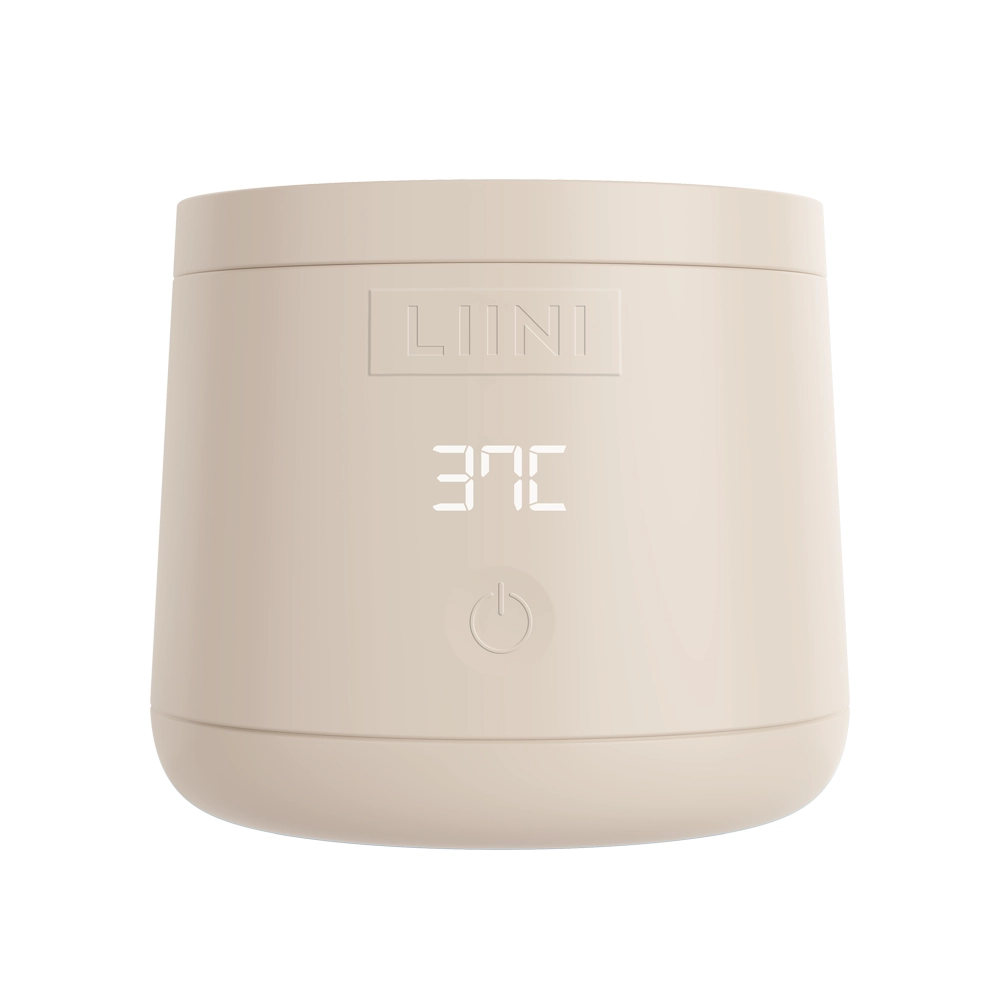
 4.0 PRObattery · on the go
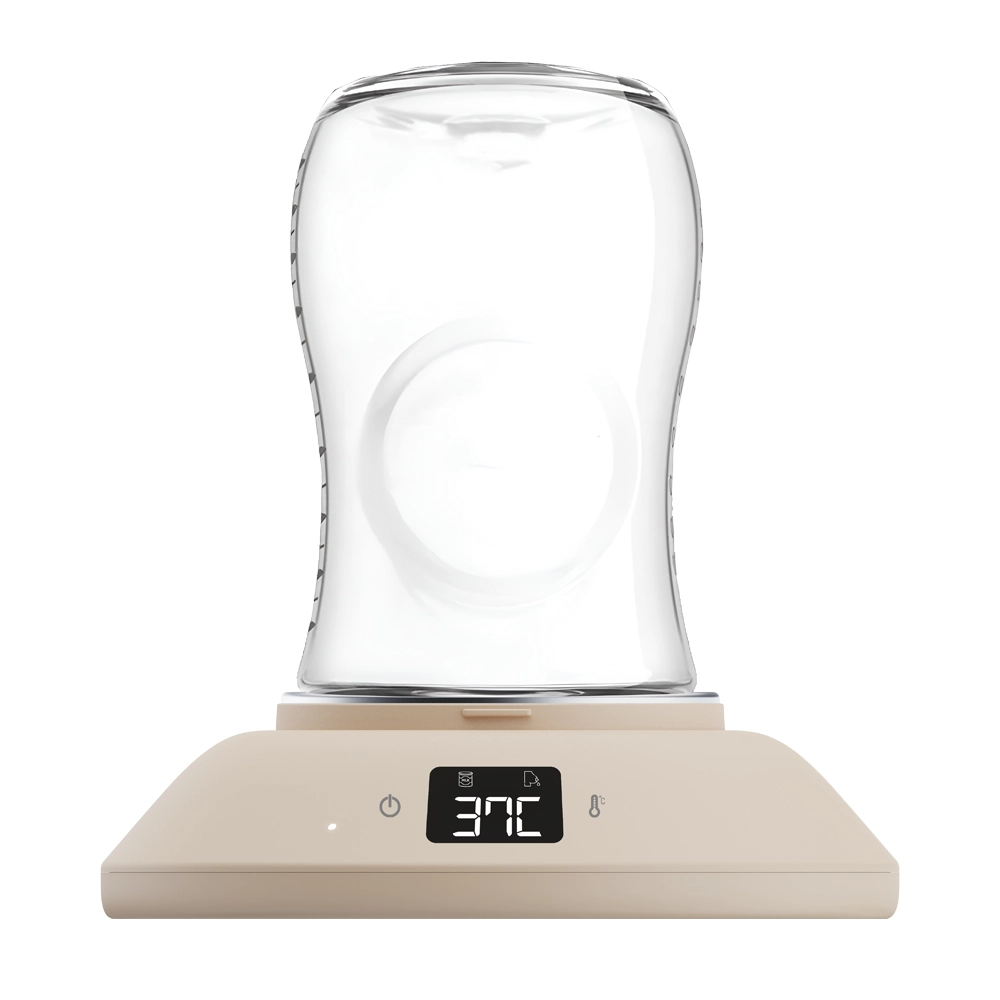 Home 230Vfor home
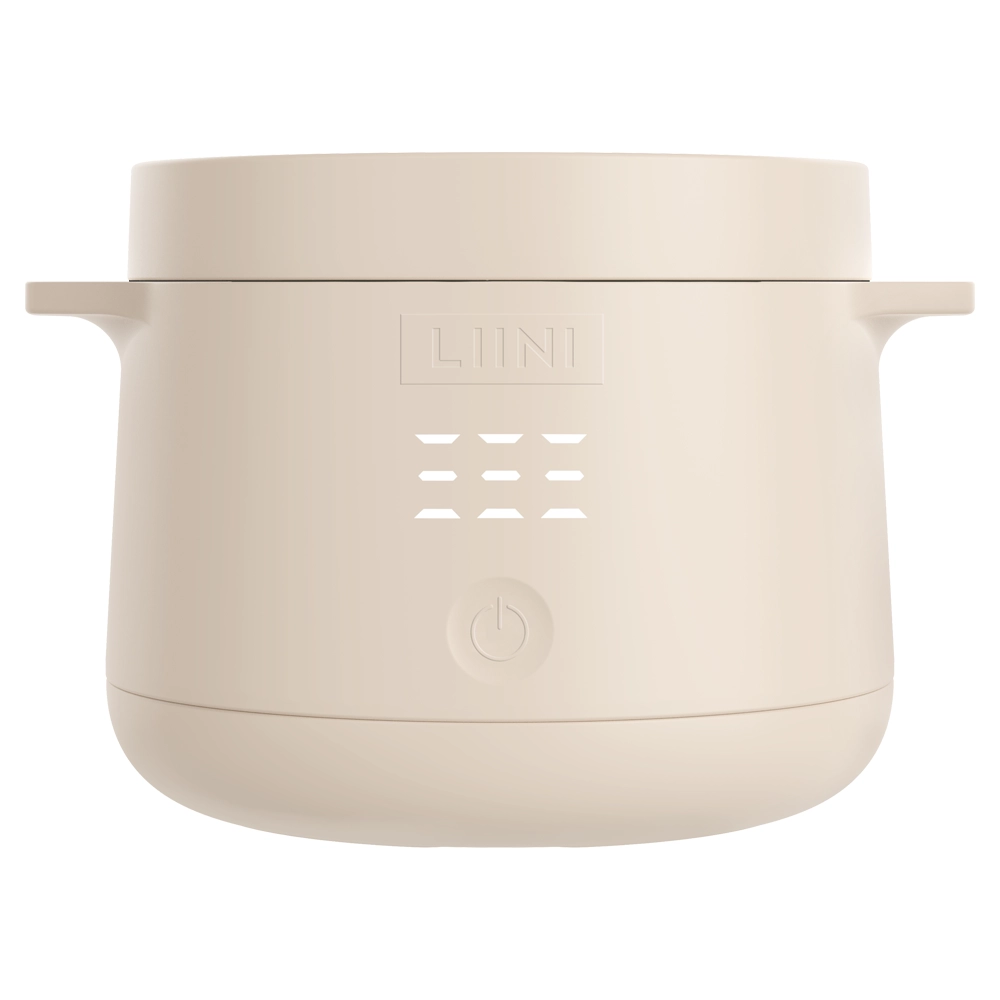 Baby food warmersfrom 6 months
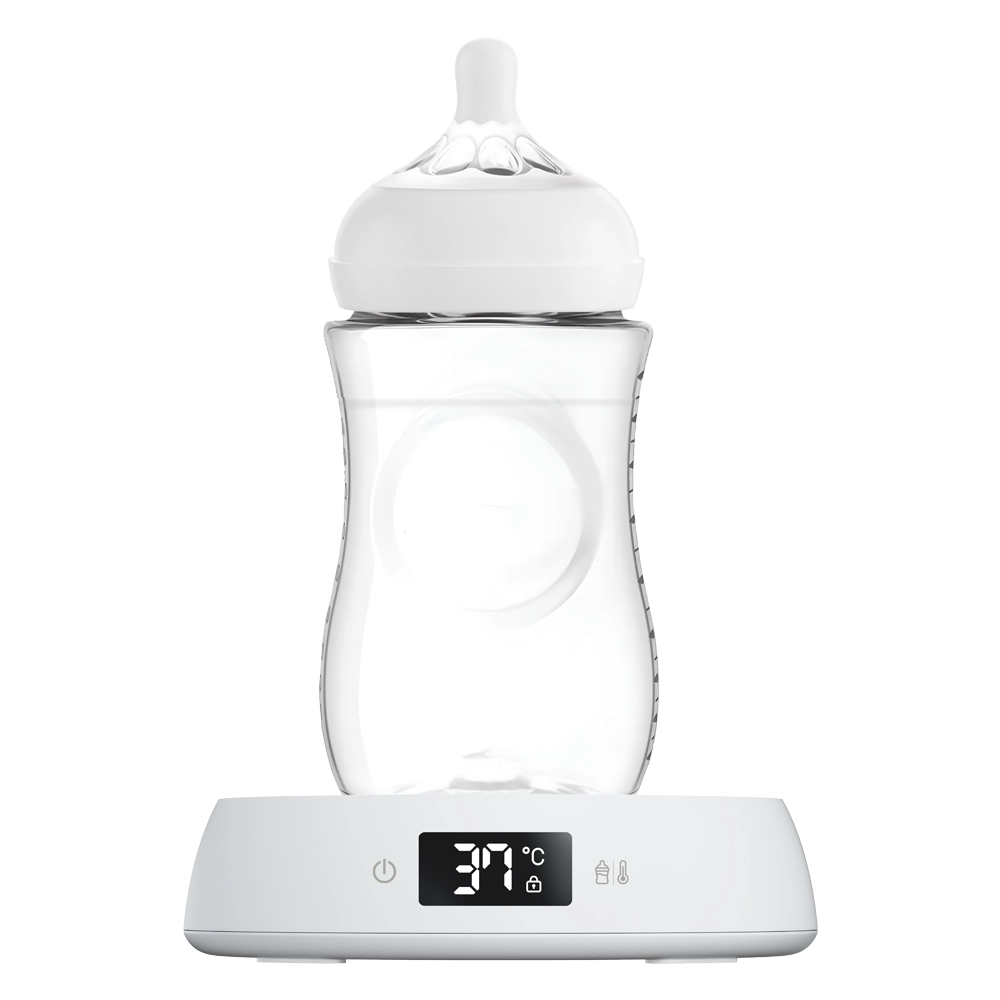 Night Stationfor the night





 Cleaning Wipes Monthly Pack
 Home & 2Go Bundle
 Formula Dispenser Avent
 Baby Bottle Bundle











 Sleep
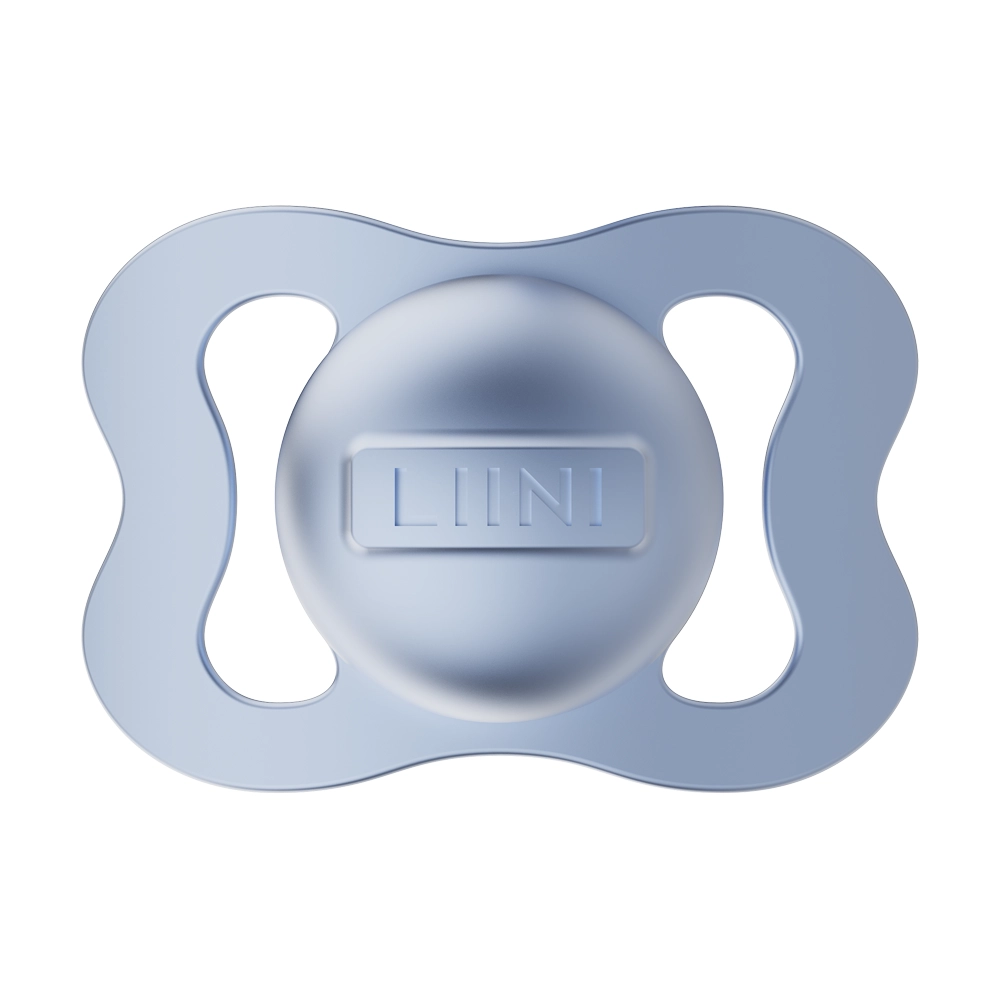
LIINI® Pacifier: Instructions & Safety
Everything you need to use your LIINI® pacifier safely and easily: safety, testing and data, first use, taking it apart and assembling it, replacing the teat and warranty.

Safety instructions
Important information about the safety of your LIINI® product.
Sogar i dirä Schproch zum abelade. Don’t understand? Yes, Swiss German sometimes sounds a bit odd. That’s exactly why we have made the safety, use and cleaning instructions available to download in your language.
GPSR
- Safety testing: All our products are regularly tested to ensure that they pose no risk to health or safety.
- Transparent documentation: We make sure that all important information about the safe use of our products is clear and easy to understand.
- Traceability: Every product carries information about the manufacturer, importer or distributor to enable seamless tracing.
You can also find all relevant safety documents as well as use and cleaning instructions collected on the GPSR page.
To the PDF documentsApproval and data
All the technical details about the LIINI® pacifier.
Safety tested to the European standard
The LIINI pacifier has been tested and certified to the European safety standard EN 1400:2013+A2:2018 for baby pacifiers. The tests were carried out by the internationally recognised testing laboratory SGS.
The pacifier underwent extensive mechanical, structural and chemical safety tests.
Among other things, the LIINI pacifier was tested for:
- Tear resistance
- Bite resistance
- Stability of the teat
- Impact and puncture resistance
- Safety of the shield
- Ventilation of the shield
- Durability of all rigid components
- General product safety and integrity

Tested to be free of harmful substances
The LIINI pacifier was also tested for potentially harmful substances. Among other things, the following substances were tested:
- BPA / bisphenol A
- Nitrosamines
- Formaldehyde
- Volatile compounds (VOC)
- Heavy metals such as lead, cadmium, mercury or arsenic
The analyses showed that all limit values were met or the substances were not detectable.

Premium silicone for the highest demands
The teat is made of high-quality, tested silicone and meets the strict European requirements for baby and toddler products. The materials used were specifically tested for safety, durability and suitability for everyday use.
SGS is one of the world’s leading testing, inspection and certification companies. The tests of the LIINI pacifier were carried out between September and October 2025.

Dimensions, weight and material
| Weight | 16.52 g |
|---|---|
| Width of the pacifier shield | 51 mm |
| Length of the teat | 30 mm |
| Width of the teat | 18 mm |
| Shield material | Aluminium |
| Coating | Food-safe anodising |
| Teat material | Silicone |

Everything you need to know before first use
Check the scope of delivery
The scope of delivery includes:
- 1× LIINI pacifier in the colour of your choice
- Already fully assembled
- 3× spare teats made of high-quality silicone

Cleaning before first use
Clean the LIINI pacifier thoroughly before using it for the first time. To do this, take the pacifier apart into its individual parts and boil the teat, the shield and the screw cap in plenty of water for a few minutes.
Then let all the parts cool down and dry completely before you put the pacifier back together. Before every use, check that all components are correctly and securely assembled.

Step by step: taking the pacifier apart into its individual parts
This is how to take the pacifier apart.
Step 1: Loosen the screw cap
Hold the pacifier firmly and turn the round screw cap on the front anticlockwise. This opens the pacifier so that you can then take it apart into its individual parts.

Step 2: Pull out the child lock
Carefully pull the locking piece out of the teat. Then store the child lock in a safe place, out of the reach of children.

Step 3: Remove the teat
Gently squeeze the teat between your thumb and index finger and at the same time carefully push it forwards out through the opening in the aluminium shield.

Step by step: assembling the pacifier
This is how to assemble the pacifier.
Step 1: Insert the teat
Gently squeeze the teat between your thumb and index finger and carefully guide it from the front of the pacifier through the opening provided in the shield.

Step 2: Check that it is seated correctly
Now check that the teat has been inserted correctly. When it is seated correctly, the flange of the teat lies flat against the whole surface of the aluminium shield and cannot be pulled out.

Step 3: Attach the child lock
Carefully insert the child lock into the opening of the teat until it is fully in place.
The child lock keeps the teat securely fixed in the pacifier so that it cannot be pulled out.

Step 4: Close the pacifier
Now take the screw cap of the pacifier and screw it on clockwise. Make sure you do not cross-thread the screw cap. Tighten the cap only as far as you can still loosen it again next time.

The right pacifier size
Why we rely on a one-size pacifier
Many pacifiers are divided into age sizes. However, what matters most for healthy oral and jaw development is above all the shape, flexibility and correct use in everyday life.
Orthodontic specialists recommend keeping pressure on the jaw, palate and teeth as low as possible. A soft, flexible teat can adapt better to natural mouth movement and reduce unnecessary pressure.
Pacifiers that are too large or too hard can promote malocclusions such as an open bite or overbite. The duration and intensity of use are just as important.
That is why the LIINI pacifier was deliberately developed as a high-quality one-size pacifier – with a flexible silicone teat and a shape that supports a natural position of the tongue, lips and jaw.

Your baby’s tongue sensation
The tongue is important for development
The special structure of the LIINI pacifier is based on the idea that a baby’s mouth is a highly sensitive sensory organ from birth. The tongue in particular plays a central role – not only in sucking, but also in early childhood perception and in the development of motor processes in the mouth.
The so-called biomimetic nipple structure of the teat is modelled on natural surface structures and deliberately creates different tactile stimuli on the tongue. This results in a more differentiated mouthfeel than with smooth, conventional pacifiers. In the first months of life in particular, babies explore their surroundings largely through their mouths. Different sensory stimuli support perception, the coordination of tongue movement and oral sensory function. These early experiences are also linked to later functions such as sucking, swallowing, chewing and speaking.

We take our cue from nature
The structured surface of the LIINI teat has therefore been designed so that:
- the natural movement of the tongue is supported
- different sensory stimuli are created in the mouth
- a more familiar and more natural sucking sensation is made possible
- oral perception can be stimulated in a playful way
- the pacifier feels softer and more natural
Unlike very hard or smooth surfaces, the soft medical-grade silicone gently adapts to the baby’s anatomy and reduces unnecessary pressure on the gums and jaw.
Note
No medical treatment claim
The LIINI pacifier does not follow a medical treatment approach. Instead, it combines modern findings on sensory perception, natural sucking movement and high-quality material design into a particularly well thought-out premium product.

Replacing the teat regularly
Designed to be sustainable and hygienic
With the LIINI pacifier, the teat can easily be replaced – without having to replace the whole pacifier. This is not only particularly sustainable, but also ensures maximum hygiene in everyday use.
Note
Replace the teat monthly
For hygiene reasons, we recommend replacing the teat at least once a month. In addition, check the teat regularly for signs of use, damage or changes in the material and replace it immediately if necessary.

Warranty
LIINI® stands for quality.
LIINI AG grants a warranty of 24 months in total on the LIINI pacifier from receipt of the order. All wearing parts and consumable components are excluded from the warranty.
The following is considered a wearing part:
- The silicone teat
The warranty is also excluded:
- If the defect is due to improper handling or use.
- If the product has been used contrary to the instructions in the user manual.
- In the event of damage caused by biting, pulling, stretching or mechanical force.
- In the event of modifications to the product or interventions by persons not authorised by LIINI.
- In the event of damage caused by improper cleaning or sterilisation.
- In the event of normal signs of wear and use resulting from daily use.
For reasons of hygiene and safety, we recommend replacing the teat at least once a month and regularly checking it for damage or changes in the material.
LIINI AG may fulfil the warranty either by partial replacement or by complete replacement with an equivalent product.
To check a warranty claim, the customer must open a ticket in the ticket system at www.LIINI.ch/support and provide the following evidence:
- Picture or video showing the problem
- Picture 1: overall view of the pacifier
- Picture 2: close-up of the affected area (e.g. teat)
By submitting the ticket, the customer confirms that all information is truthful. Should it emerge during the processing of the warranty case that warranty fraud has taken place, LIINI AG reserves the right to take appropriate legal action.
Manufacturer identification and EU authorised representative
According to the Product Safety Act (ProdSG).
Manufacturer identification & contact address
Responsible for the import and distribution of all products:
| Contact address | LIINI AG Bahnhofstrasse 21 4571 Lüterkofen |
|---|---|
| UID | CHE-131.522.878 |
| Commercial register office | Cantonal Commercial Register of the Canton of Solothurn |
| VAT ID for the EU | DE352084049 |
| Tax number at the Konstanz tax office | 09417/18455 |
| VAT number | CHE-131.522.878 VAT |
EU authorised representative
Exclusively for contact by authorities.
| EU authorised representative | Easy Access System Europe Oü Mustamäe tee 50 10621 Tallinn Estonia |
|---|
Need help?
Create a ticket with the product name and your order number.
Related guides
Sleep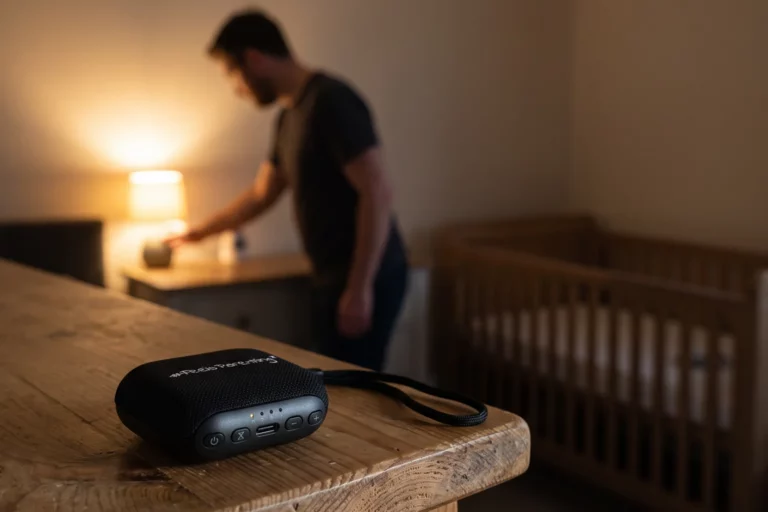 Sleep
White Noise for Babies: Helpful or Harmful?
White noise can help some babies fall asleep. However, if it’s too loud or too close, it can pose a risk to their hearing. Here’s how to use white noise safely, complete with a checklist. Sleep