
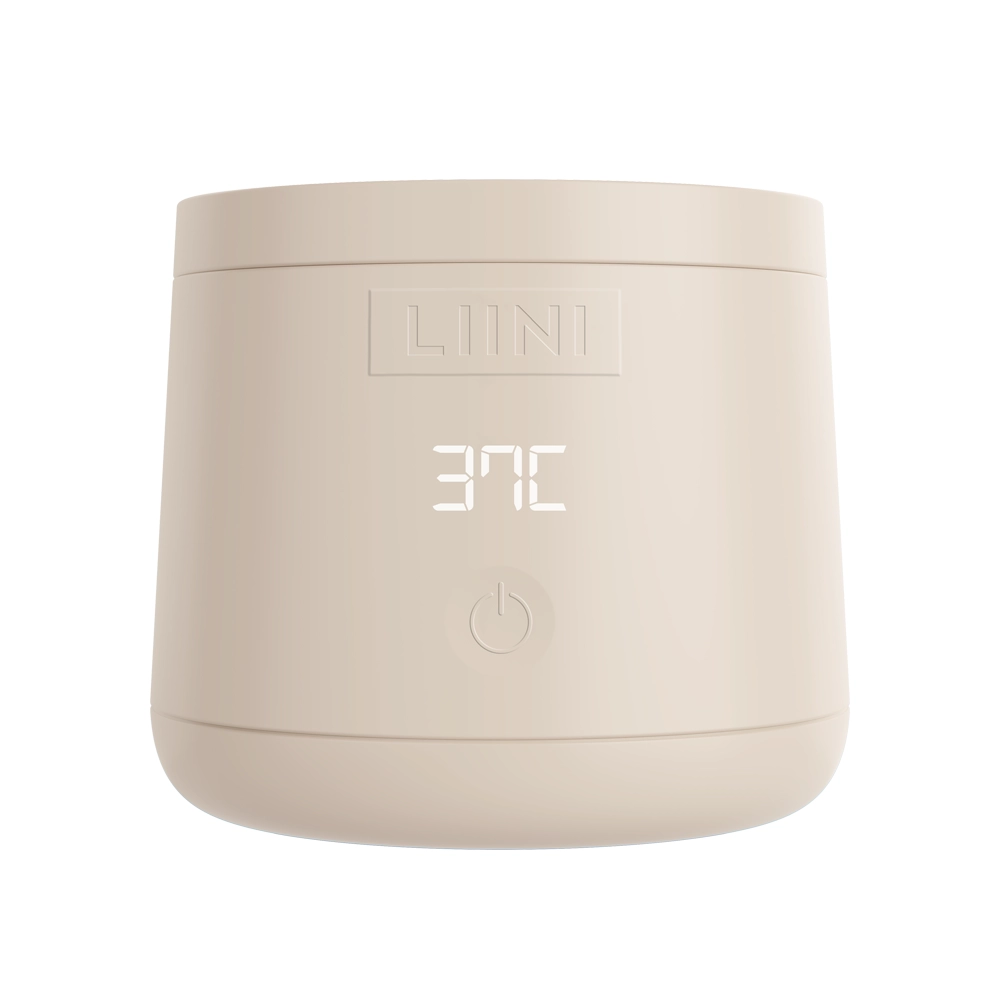
 4.0 PRObattery · on the go
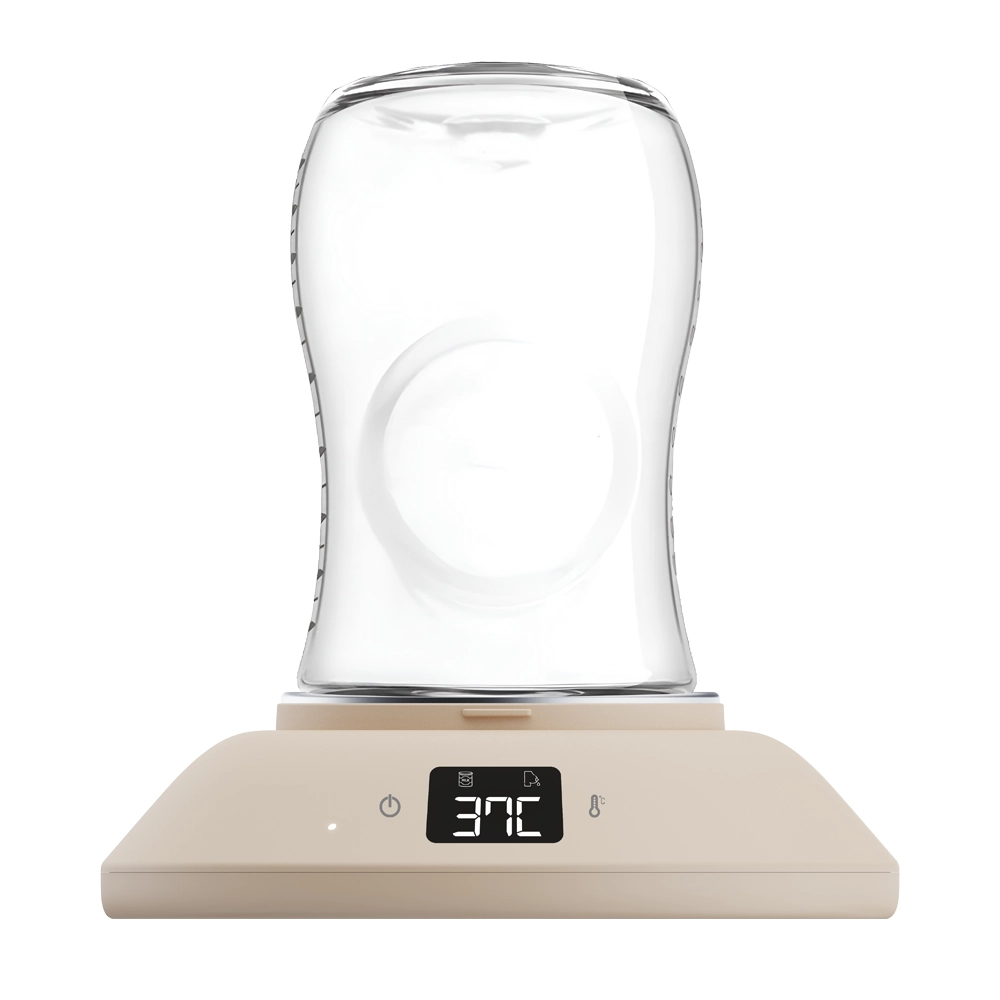 Home 230Vfor home
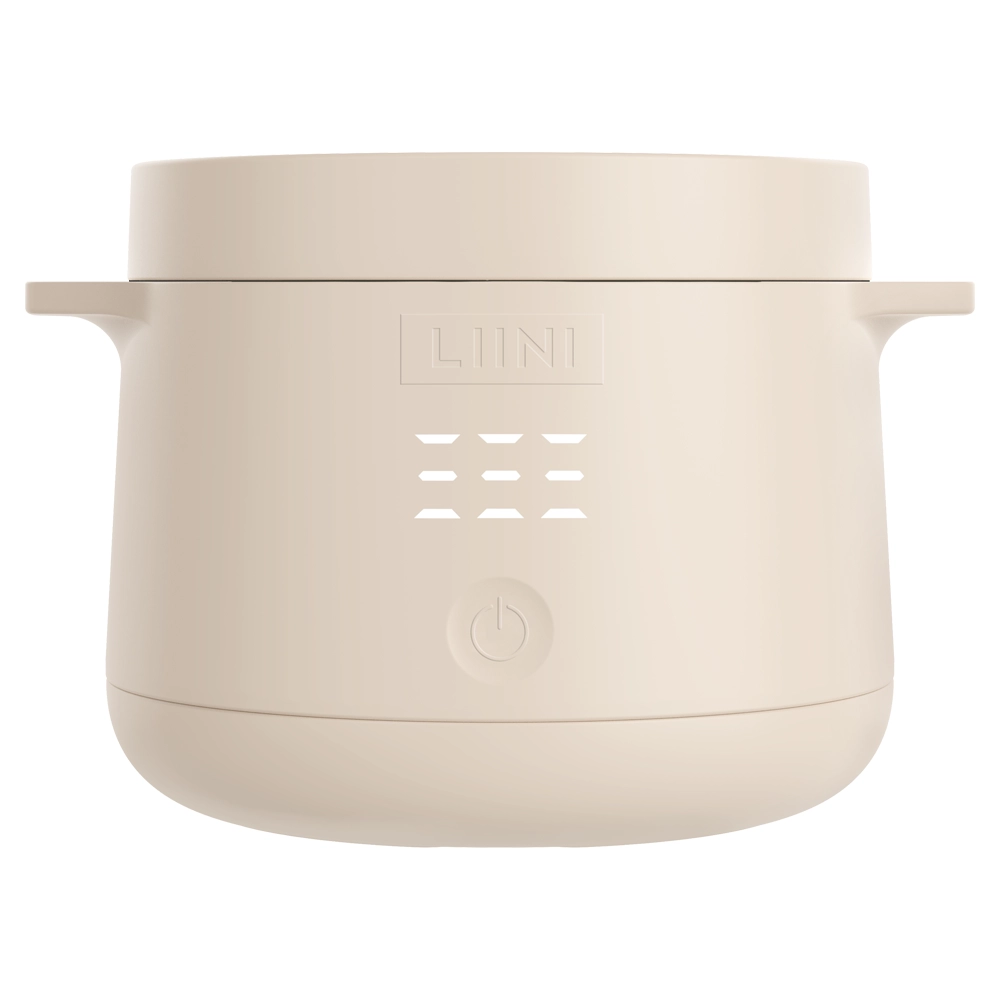 Baby food warmersfrom 6 months
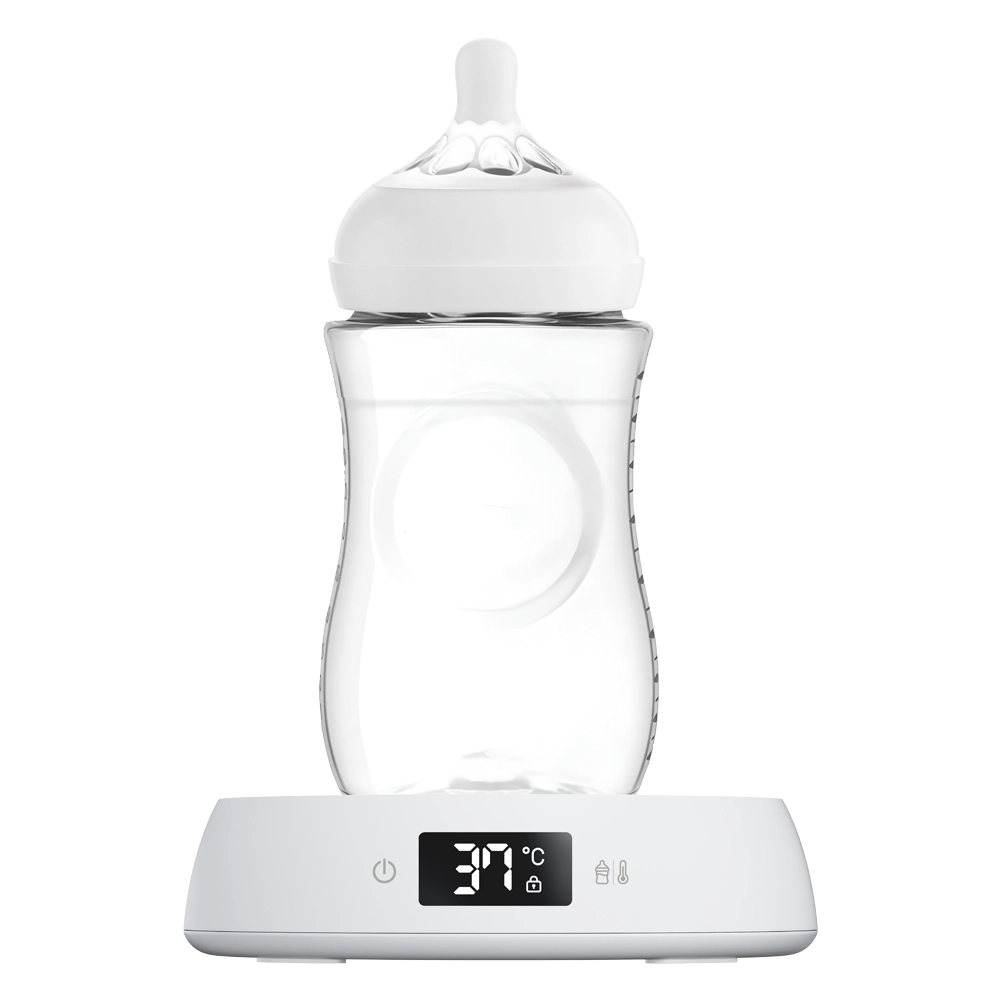 Night Stationfor the night





 Cleaning Wipes Monthly Pack
 Home & 2Go Bundle
 Formula Dispenser Avent
 Baby Bottle Bundle
















Postpartum Period: What to Expect and What Your Midwife and Health Insurance Provider Cover
Postpartum bleeding, afterpains, emotions, and warning signs: what to expect during the postpartum period, how many midwife visits are covered by basic insurance, and how to find a midwife.

Contents
In short
The postpartum period is the time after childbirth when your body recovers—it lasts about six to eight weeks. In Switzerland, basic health insurance covers up to 16 home visits by a midwife during the first 56 days following the birth of your first child, a cesarean section, a premature birth, or a multiple birth; otherwise, up to 10 visits are covered. In addition, you’re entitled to three breastfeeding consultations and a follow-up checkup between the 6th and 10th week, with no deductible or copayment. Find a midwife early in your pregnancy. If you experience heavy bleeding, shortness of breath, a fever, or a painful, swollen leg, seek help immediately.
The postpartum period is a special time: Your body is healing, breastfeeding is beginning, and you’re getting to know each other as a family. At the same time, many questions arise. Is this postpartum discharge normal? Why am I crying so much? And who’s actually coming to my home? Here you can read about what to expect, what warning signs you should be aware of, and what services midwives and health insurance providers offer in Switzerland.
What is the postpartum period, and how long does it last?
The postpartum period refers to the time immediately following childbirth up to about six weeks afterward, according to the See-Spital. The German website familienplanung.de recommends that you take at least six to eight weeks to recover. During this time, the uterus shrinks back to its normal size, birth injuries heal, and hormone levels adjust.
After giving birth, many women spend time first in the hospital or birthing center and then at home. In Switzerland, a midwife will support you there through home visits. She’ll check on you and your baby and is your primary point of contact.
Warning
Call the emergency number 144 immediately if you are bleeding heavily, have chest pain or difficulty breathing, or are thinking about harming yourself or your baby. Contact your midwife, the maternity clinic, or your doctor without delay if you have: a fever of 38 °C or higher, heavy bleeding or blood clots, foul-smelling lochia, pain and swelling in your leg, severe headaches or vision problems, a red, painful breast accompanied by a fever, a cesarean section scar that is oozing, or if you see or hear things that aren’t there.
Your Body During the Postpartum Period
Postpartum Discharge
After childbirth, the wound where the placenta was attached bleeds. According to familienplanung.de, this postpartum bleeding lasts an average of about six weeks; the See-Spital generally cites four to six weeks. In the first few days, the bleeding is bloody and heavier than a period. Starting in the second week, the discharge turns brownish, then yellowish, and finally whitish. Use pads instead of tampons, advises the Scottish health service NHS inform, and change them often.
Afterpains and Postpartum Recovery
The uterus contracts again. You’ll feel this as afterpains, similar to menstrual cramps. They’re often stronger while breastfeeding because your body releases the hormone oxytocin during this time. According to familienplanung.de, they’re particularly noticeable after multiple births. Warmth—such as a heating pad on your back—can help. Ask your midwife if you need pain medication.
Your midwife will show you your first gentle pelvic floor exercises during the postpartum period. The See-Spital recommends a postpartum exercise class no sooner than eight weeks after giving birth.
Perineum and C-section Scar
If you have a perineal tear or an episiotomy, keep the area clean and dry. The stitches usually dissolve on their own. The midwife will monitor the healing process and remove any stitches if necessary. After a C-section, your basic health insurance covers more midwife visits. If the scar is oozing or fluid is leaking, contact your midwife immediately.
Starting to Breastfeed
In the first few days, your breasts produce colostrum: a thick, golden-yellow fluid. About two to four days after birth, your milk comes in, and your breasts become fuller. According to the NHS, newborns feed at least 8 to 12 times in a 24-hour period during the first few weeks—and often more frequently. So, frequent feedings are normal.
If your breasts feel tight or become hard, red, and painful, the guide on Milk Congestion and Mastitis can help you. If you need to pump—for example, because your baby isn’t feeding well yet—you’ll find tips in the guide on Pumping and Storing Breast Milk. To find out whether your health insurance covers the cost of a rental breast pump, see “Does Health Insurance Cover a Breast Pump?”
Emotions After Childbirth: Baby Blues or Depression?
Happiness and tears go hand in hand during the postpartum period. Many women experience the “baby blues” in the first few days after giving birth: Their mood swings between happiness and sadness for no apparent reason, and they feel emotionally sensitive and downcast. According to familienplanung.de, the causes include a sharp drop in hormone levels, lack of sleep, and the major life changes. The baby blues usually last for hours or days and, according to the NHS, typically subside within two weeks after giving birth. Rest, sleep, and support can help.
If feelings of sadness and listlessness last longer than one to two weeks, it could be a sign of postpartum depression. According to the NHS, it can begin during pregnancy, shortly after giving birth, or up to a year afterward. Possible signs:
- Persistent feelings of low spirits, no longer finding joy in anything
- the feeling of being a bad mother, or intense feelings of guilt
- Constant worries and fears, irritability
- Sleep problems and difficulty concentrating
- Difficulty bonding with your baby
- Thoughts of harming yourself or your baby
Postpartum depression is a serious condition, and it’s not your fault. Seek help early. Fathers and partners can also experience depression after childbirth, according to the NHS. Talk to your midwife, your doctor, or a parenting support service. The organization Postpartum Depression Switzerland provides detailed information about the condition. The Parents’ Helpline is available around the clock at 0848 35 45 55. Dargebotene Hand is here to listen to you at 143—anonymously and confidentially—including via chat.
Postpartum psychosis is much less common. According to the NHS, it usually begins suddenly within the first two weeks after giving birth: The mother sees or hears things that aren’t there, has strange fears or beliefs, or is noticeably agitated. This is a medical emergency. Often, the person affected doesn’t realize it herself, which is why those around her must act: seek medical help on the same day; if there is a danger to the mother or child, call 144 immediately.
Midwife during the postpartum period: what health insurance covers
In Switzerland, basic health insurance covers postpartum care at home. According to the Federal Office of Public Health (FOPH), the following applies during the first 56 days after childbirth:
| Coverage | What Basic Insurance Covers |
|---|---|
| Home visits after the birth of the first child, cesarean section, premature birth, or multiple births | A maximum of 16 visits, plus a maximum of 5 second visits on the same day during the first 10 days |
| Home visits in all other cases | A maximum of 10 visits, plus a maximum of 5 times during the first 10 days when a second visit on the same day is permitted |
| Additional visits, even after day 56 | only by doctor’s order |
| Breastfeeding counseling | 3 consultations throughout the breastfeeding period, provided by a midwife or a specially trained nurse |
| Follow-up visit | A follow-up visit between the 6th and 10th week after birth |
What the midwife does: According to the Swiss Midwives Association, she checks your uterus to see if it has returned to its normal size and checks for any birth injuries, advises you on breastfeeding, and listens to you. For the baby, she checks the weight and the umbilical cord, draws blood for newborn screening if necessary, and administers vitamins K and D. She also advises you on sleep, crying, and your new family situation.
What you pay: According to the FOPH, there is no cost-sharing for these maternity benefits—meaning no deductible or copayment. From the 13th week of pregnancy until eight weeks after childbirth, other medical services are also exempt from copayments. According to the Midwives Association, on-call services—that is, the midwife’s availability around the due date and during the postpartum period—are not covered. Some cantons or municipalities cover these costs; otherwise, you’ll have to pay for them yourself. Be sure to ask your midwife about this in advance.
Good to Know
In Germany and Austria, postpartum midwife care is regulated differently. Your health insurance provider or your midwife can tell you what the rules are there.
Find a Midwife in Switzerland and Get More Help
CONCORDIA Health Insurance recommends starting your search early—ideally right after a positive pregnancy test or your first checkup with your OB-GYN. Here’s how to proceed:
- Search On hebammensuche.ch, the Swiss Midwives Association’s midwife search tool, you can find midwives in your canton. Your OB-GYN, the hospital, or friends can often recommend good midwives as well.
- Inquire: Mention your due date and ask whether the midwife can provide postpartum care at home and whether she charges for on-call services.
- Getting to Know Each Other: An initial consultation before the birth is helpful. Clarify how you can reach her and who will cover for her.
- After the birth, let the midwife know as soon as your baby is born or you go home. She will then schedule the first visits.
Parenting Counseling: After the postpartum period, the parenting counseling service continues to support you—for example, with questions about breastfeeding, sleep, crying, nutrition, and development. In the canton of Zurich, for example, this service is confidential and free of charge, available in multiple languages, either at the counseling center, in your home, or over the phone. Ask at the hospital or your local municipality for the center nearest you.
Preparing for the Postpartum Period: Checklist
A well-prepared postpartum period will give you peace of mind. Here are some things you can take care of while you’re still pregnant:
- Find and Get to Know a Postpartum Midwife
- Write down these phone numbers: midwife, maternity clinic, OB-GYN, pediatrician, parenting counseling services
- Plan maternity and paternity leave with your employer; see Maternity and Paternity Leave in Switzerland
- Pack your hospital bag; see the “Hospital Bag Checklist”
- Have sanitary pads for postpartum bleeding, comfortable, loose-fitting underwear, and nursing bras ready
- Place a heating pad for afterpains and a water bottle by your bed
- Prepare meals in advance and freeze them, or arrange for food deliveries
- Arrange for help around the house: partner, family, friends
- Limit visitors and schedule rest periods
- Talk with your partner about who will take care of what at night
Frequently Asked Questions
How long does the postpartum period last?
Usually about six to eight weeks. See-Spital defines the postpartum period as the time from birth until six weeks afterward; familienplanung.de recommends at least six to eight weeks of rest. Postpartum bleeding usually stops during this time.
How many midwife visits does health insurance cover?
During the first 56 days after birth, a maximum of 16 home visits are allowed following the birth of a first child, a cesarean section, a premature birth, or a multiple birth; otherwise, a maximum of 10. In addition, during the first 10 days, a maximum of 5 follow-up visits may be made on the same day. A doctor’s order is required for additional visits, even after day 56.
Do I have to pay the deductible and copayment for the midwife?
No. According to the Federal Office of Public Health (BAG), health insurance companies do not charge any copayments for maternity benefits such as postpartum care, the three breastfeeding consultations, and the follow-up visit. However, basic insurance does not cover the midwife’s on-call service.
When should I start looking for a midwife for postpartum care?
As early as possible in your pregnancy. CONCORDIA recommends starting your search right after a positive test or your first prenatal checkup. You can find midwives in your canton at hebammensuche.ch.
How long does postpartum lochia last?
On average, about six weeks—sometimes shorter or longer. The discharge is bloody at first, then brownish, yellowish, and finally whitish. If it has an unpleasant odor or if you have a fever, contact your midwife or doctor.
Is the baby blues normal?
Yes, many women feel tearful and emotionally sensitive in the first few days after giving birth. This usually goes away within two weeks. If the sadness lasts longer or gets worse, talk to your midwife or doctor, as it could be a sign of postpartum depression.
Sources
- Health Insurance: Maternity Benefits, Federal Office of Public Health (FOPH)
- Information Letter: Maternity Benefits and Cost-Sharing (PDF), Federal Office of Public Health (FOPH)
- Postpartum Period (Time After Childbirth), Swiss Midwives Association
- Health Insurance Coverage for Breastfeeding Counseling, Swiss Midwives Association
- Find a Midwife, Swiss Midwives Association
- Midwives, CONCORDIA Health and Accident Insurance
- The Postpartum Period, See Hospital
- What Happens During the Postpartum Period?, familienplanung.de, Federal Institute for Public Health
- Postpartum Discharge, familienplanung.de
- Afterpains, familienplanung.de
- Fever, familienplanung.de
- Baby Blues, familienplanung.de
- You and Your Body After Birth, NHS inform
- Breastfeeding: The First Few Days, NHS
- Postpartum Depression, NHS
- Postpartum psychosis, NHS
- Postpartum Depression: Information, Postpartum Depression Switzerland Association
- Parents’ Helpline, Parents’ Helpline
- Die Dargebotene Hand, Die Dargebotene Hand
- Parenting Counseling, Canton of Zurich, Office for Youth and Career Counseling