
 4.0 PRObattery · on the go
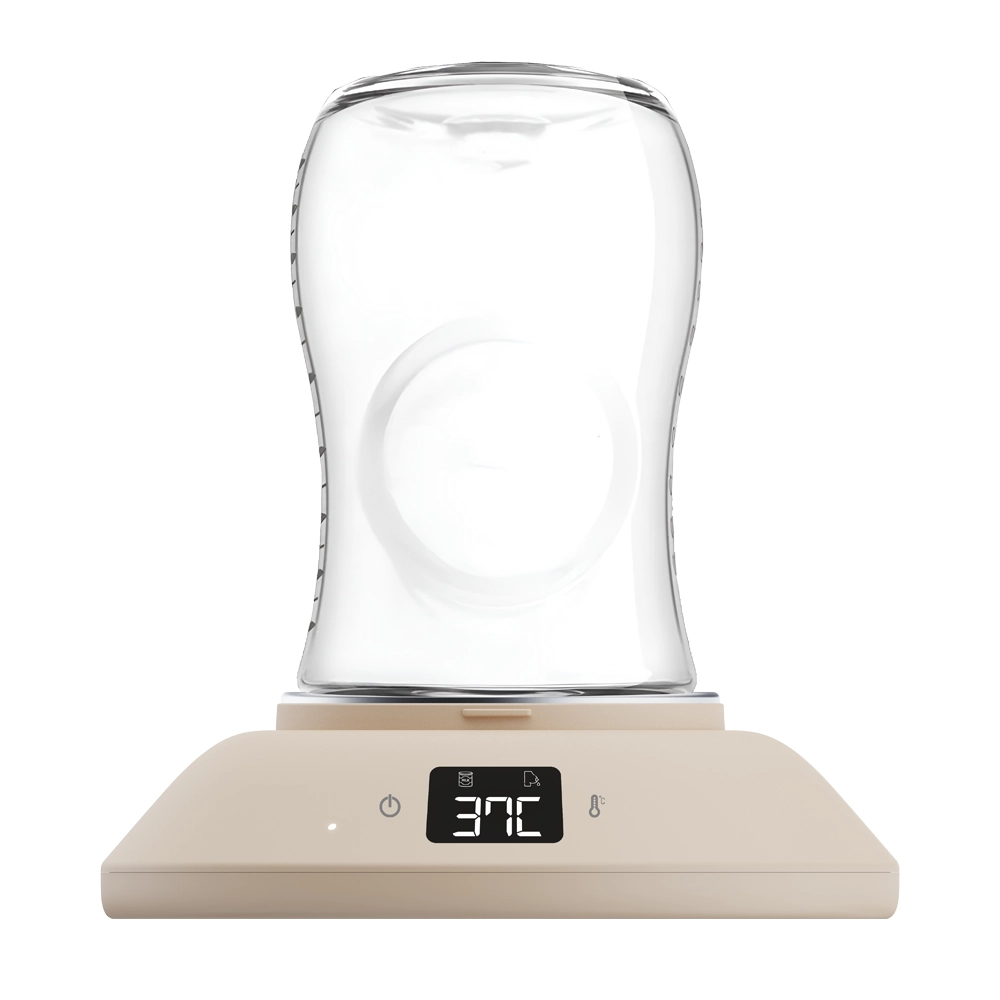 Home 230Vfor home
 Baby food warmersfrom 6 months
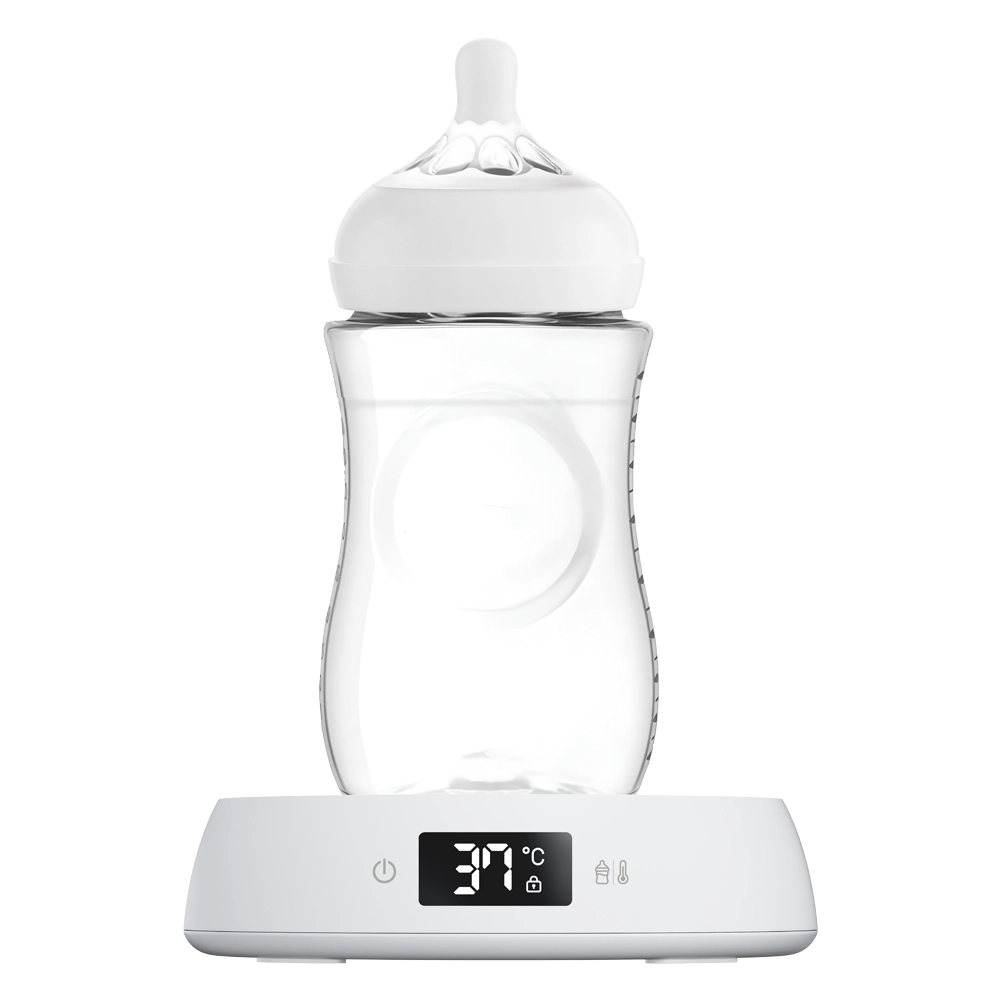 Night Stationfor the night




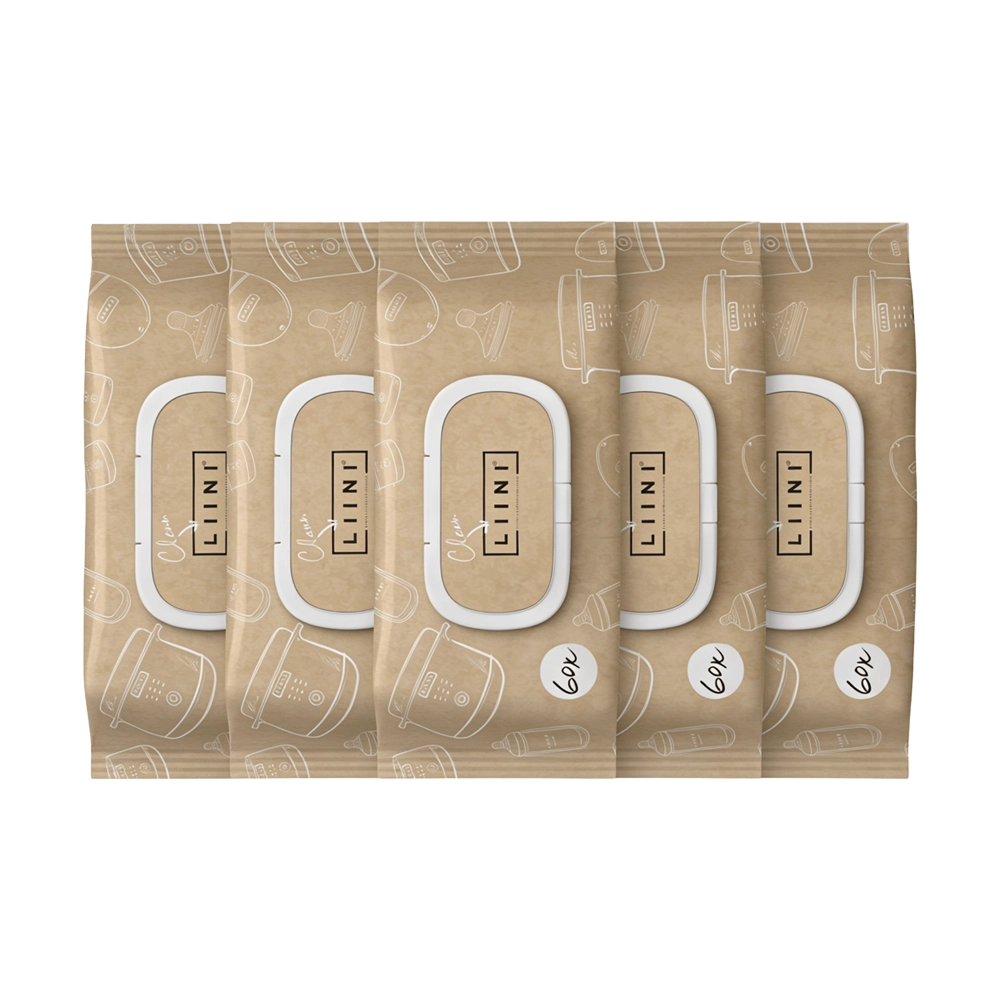 Cleaning Wipes Monthly Pack
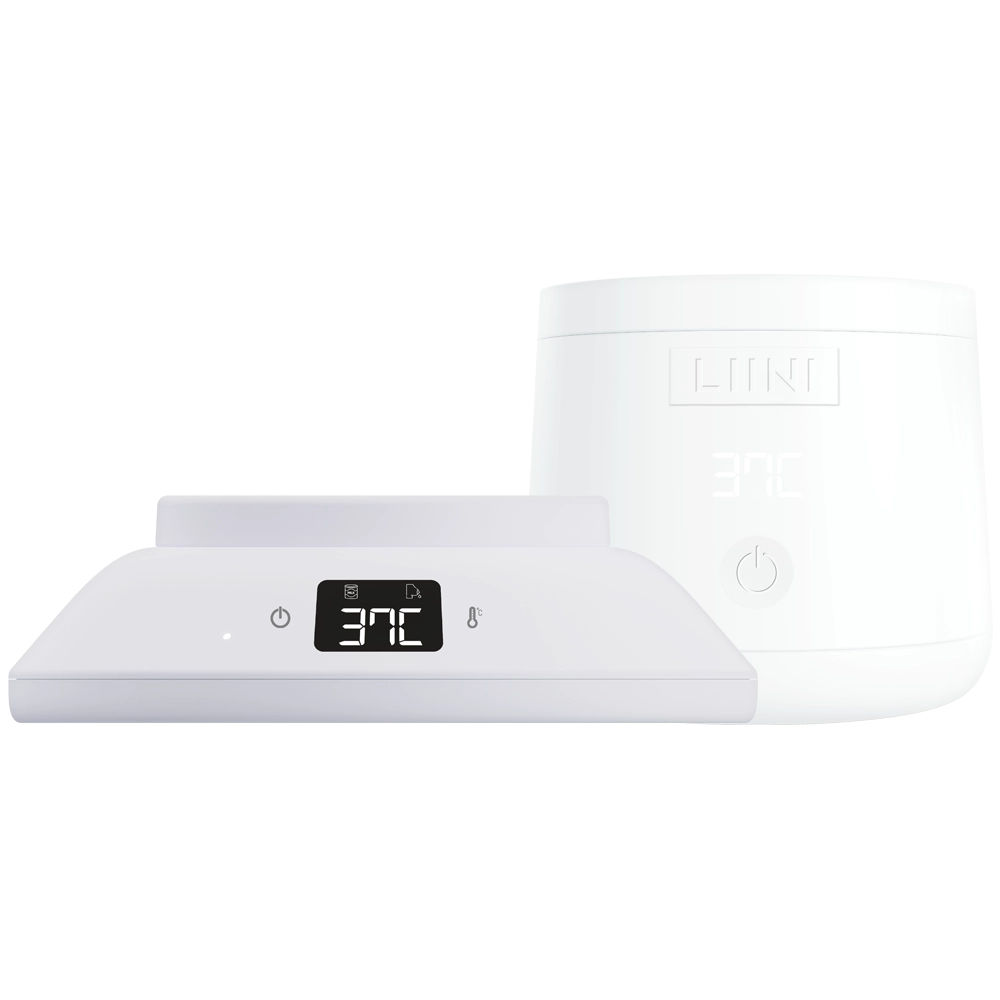 Home & 2Go Bundle
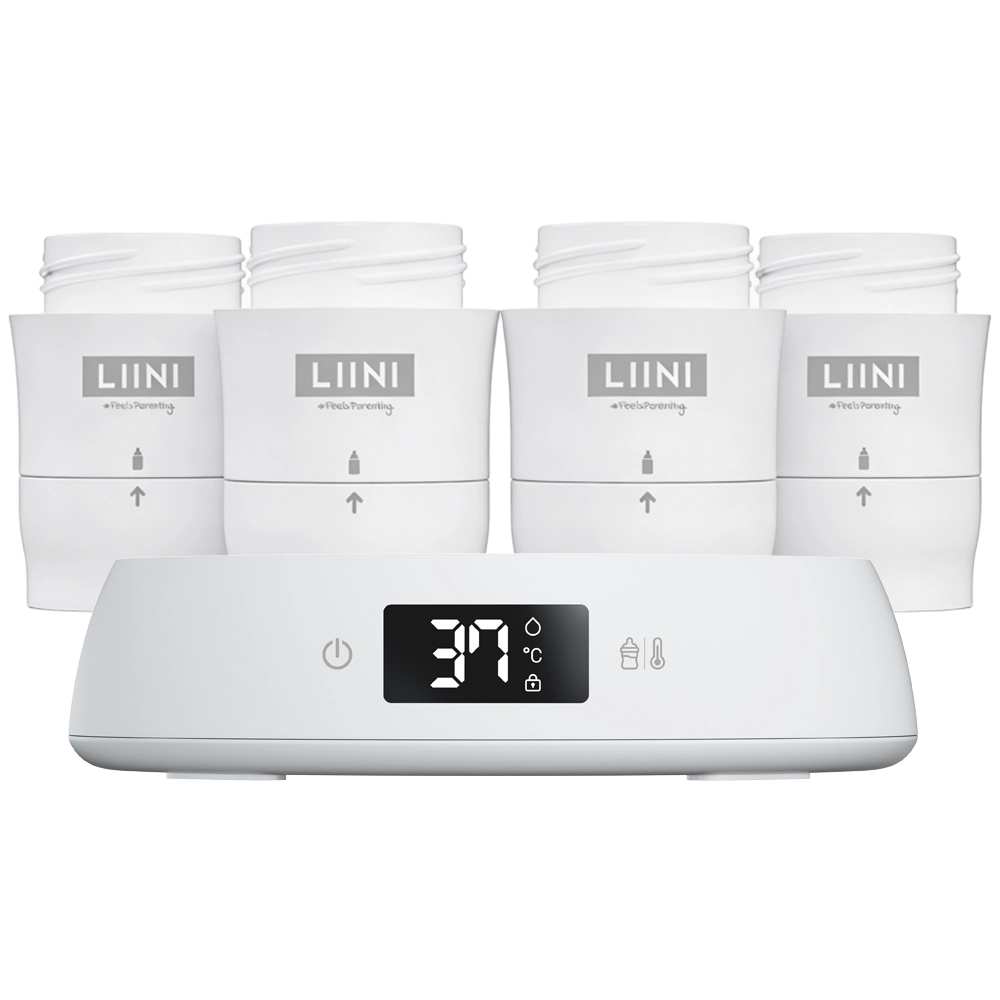 Formula Dispenser Avent
 Baby Bottle Bundle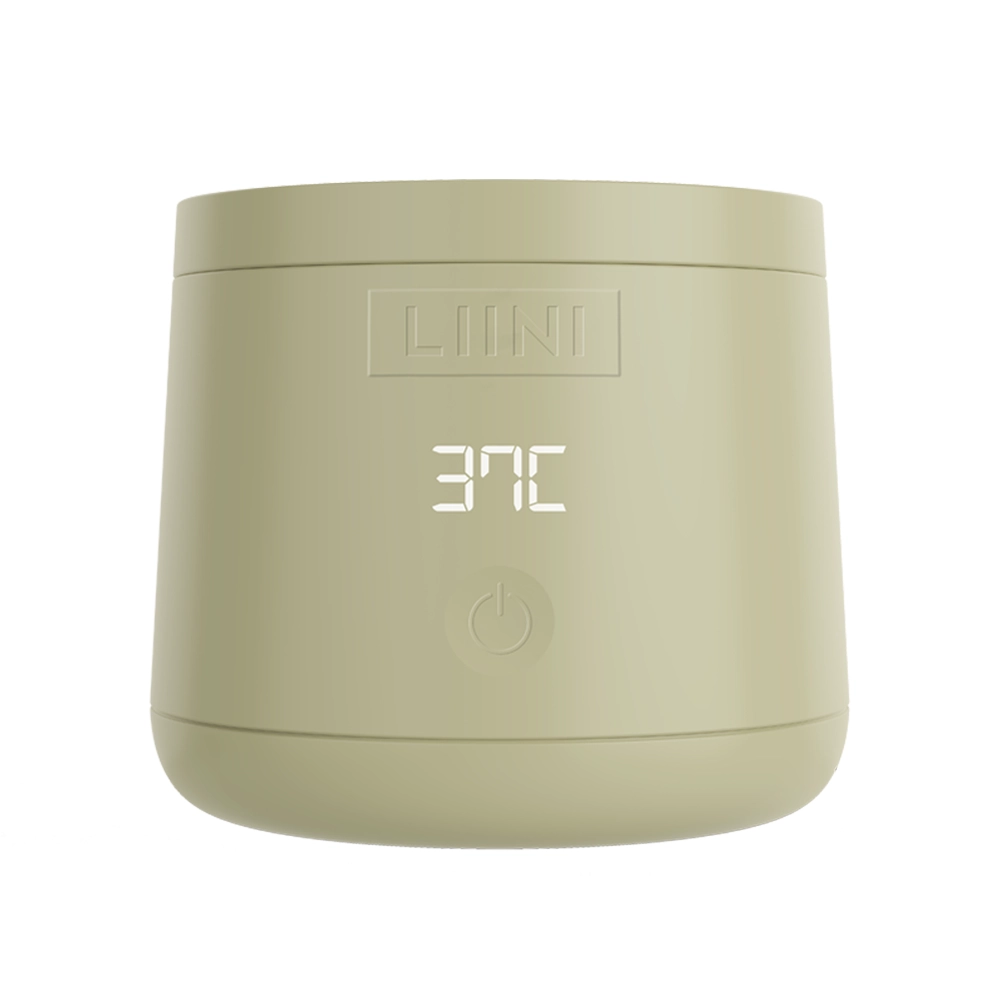











How to Quickly Prepare a Bottle at Night: 4 Methods
Electric kettle, thermos, automatic dispenser, or night stand: Here's how to prepare a nighttime bottle quickly while still keeping it hygienic. Includes a comparison and evening routine.
Contents
In short
The fastest way to get the bottle ready at night is to prepare everything in the evening: clean bottles, boiled water in a thermos or on a night stand, and measured-out formula. At night, all you have to do is add the powder to the water, shake it, check the temperature, and feed your baby. You can prepare the water in advance, but not the mixed formula. Always mix the formula right before feeding.
It’s 3 a.m., your baby is crying, and you’re standing in the kitchen, half asleep. That’s exactly when you need to get the bottle ready quickly—and safely—in the middle of the night. Here you’ll find a comparison of four methods, the most important hygiene rule, and a routine that lets you prepare everything in the evening so you only need a few quick steps at night.
The most important rule: Water, yes; mixed formula, no
Ready-to-feed infant formula is an ideal breeding ground for germs, especially when left at room temperature. The Federal Institute for Public Health (BIÖG) therefore strongly advises against storing prepared formula in warming containers, even at night. It is better to keep boiled water in a thermos and the correct amount of powder on hand separately. The Federal Institute for Risk Assessment (BfR) also recommends, for nighttime feedings, keeping boiled water in a clean, sealed thermos and mixing it with the powder only shortly before feeding.
For you, this means: Prepare the bottles, water, and formula the night before. Don’t mix the formula until your baby wakes up. According to the BfR, feed the mixed formula within two hours; discard any leftovers.
Caution
Do not put a prepared bottle for the night in the refrigerator, in a thermos, or on a hot plate. Inselspital Bern warns: Bacteria multiply rapidly in infant formula stored at warm temperatures, which can cause your baby to have diarrhea or vomit.
4 Ways to Prepare a Bottle at Night
All four methods follow the rule above. They differ in how much you prepare in the evening and how long you wait at night.
1. Electric kettle: Boil fresh water at night and let it cool
First, boil the water at night and let it cool until it’s lukewarm. The “Gesund ins Leben” network recommends a temperature of 30 to 40 °C. This is the easiest method because you don’t need anything else. The catch: It takes time for the water to cool down, while your baby is waiting. It goes faster if you hold the sealed bottle under cold running water.
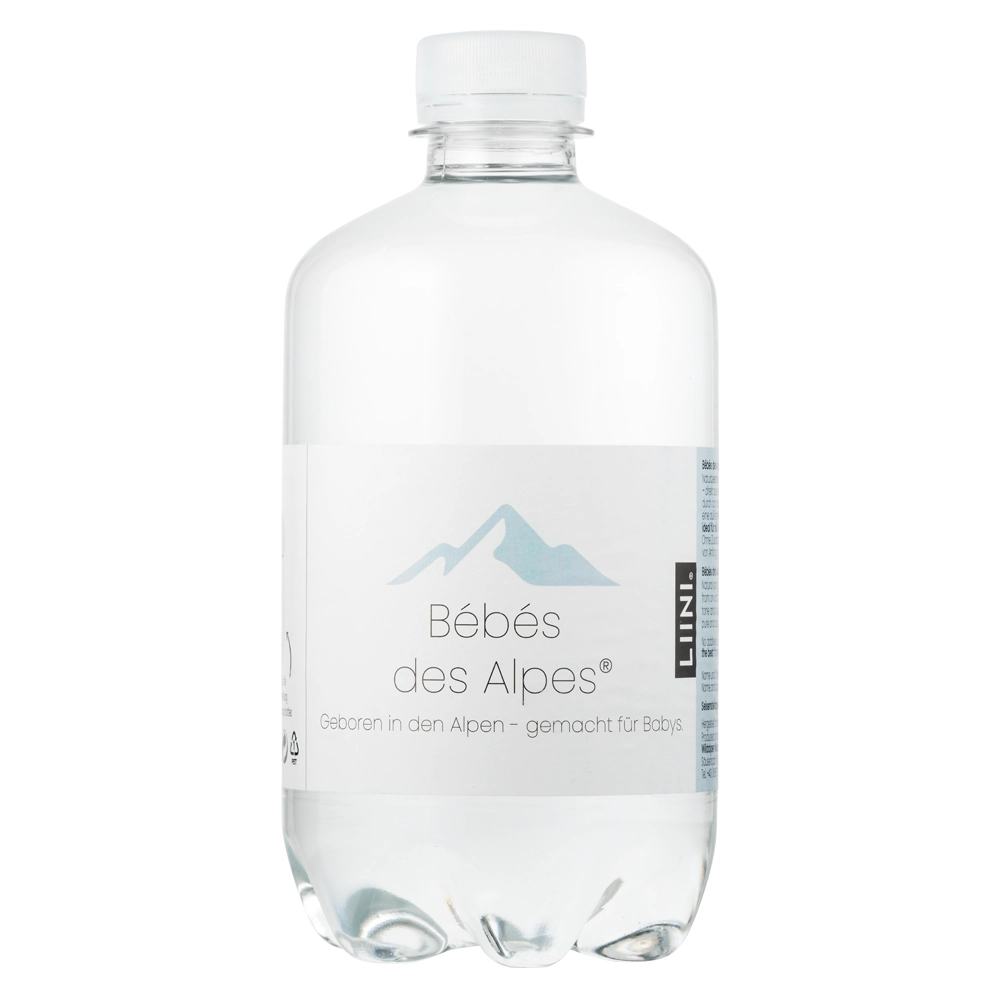
In Switzerland, you don’t always have to boil the water. Pädiatrie Schweiz also allows fresh tap water that you warm to drinking temperature. However, Inselspital Bern recommends boiling water during the first few weeks of life. You can read about which water is suitable in the guide “Which Water for Baby Food?”
2. Thermos with boiled water
In the evening, boil some water and pour it into a clean thermos. At night, pour the right amount into the bottle, add the formula, and shake. The BfR, BIÖG, and Inselspital Bern expressly recommend this method.
Depending on the kettle, the water may still be too hot or already too cool at night. So, on a quiet evening, check how warm the water is in your bottle after a few hours. If it’s too hot, let the bottle cool down briefly. Rinse out the bottle every day, let it air dry, and fill it with freshly boiled water in the evening.
3. Automatic bottle warmer
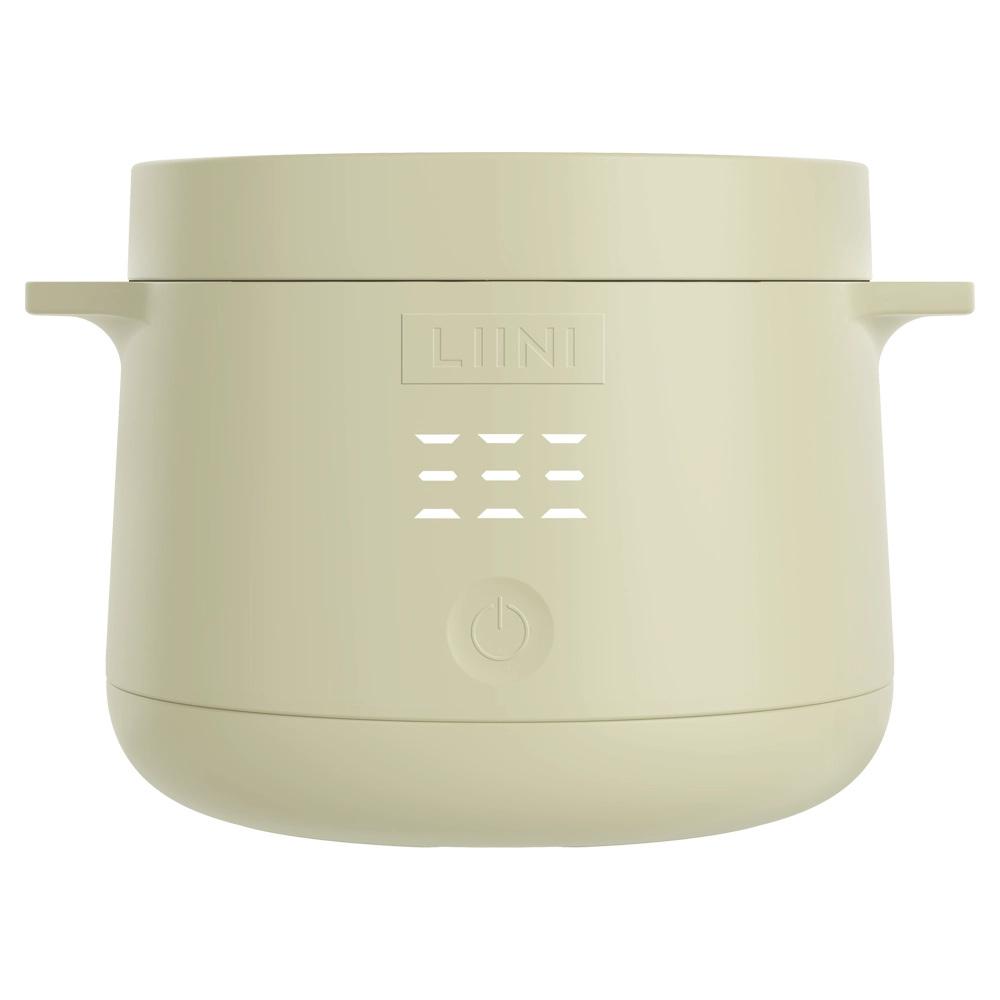
A bottle maker has a water tank and a container for the formula. At the push of a button, it fills the bottle with water and formula. It’s quick, and you don’t have to measure anything. That’s what the larger appliance in the kitchen is for, and it requires maintenance: You must clean and descale the tank, powder container, and dispenser exactly according to the manufacturer’s instructions. Also check to make sure the machine is set for your baby formula. And here, too, the same rule applies: Don’t take the bottle out of the machine until your baby is ready to drink.
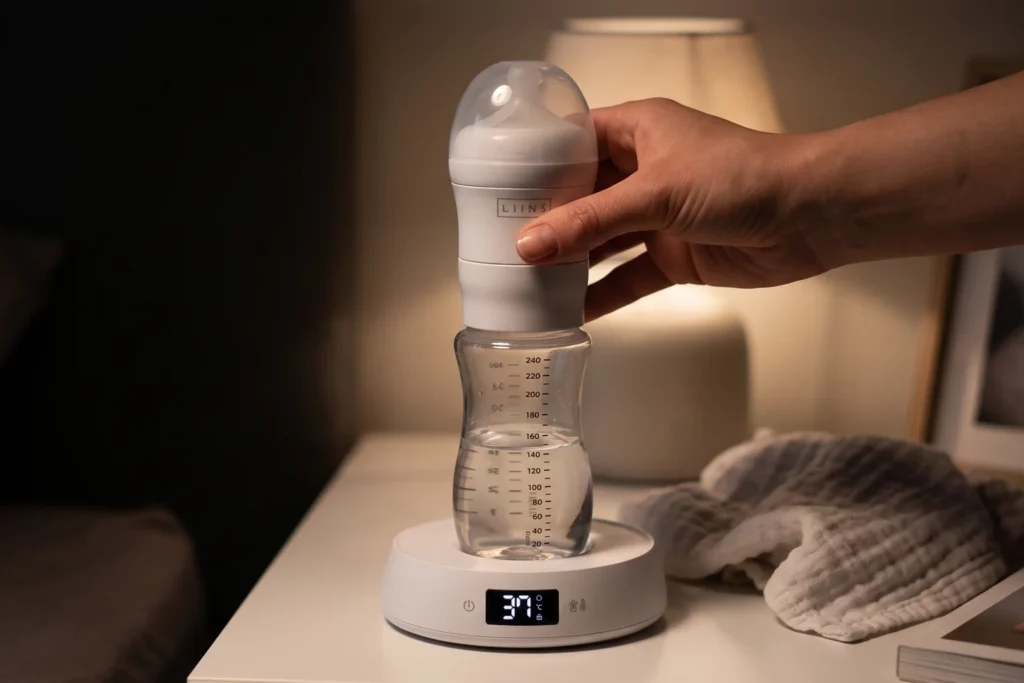
4. Night Station: Keeping Water Warm in the Bottle
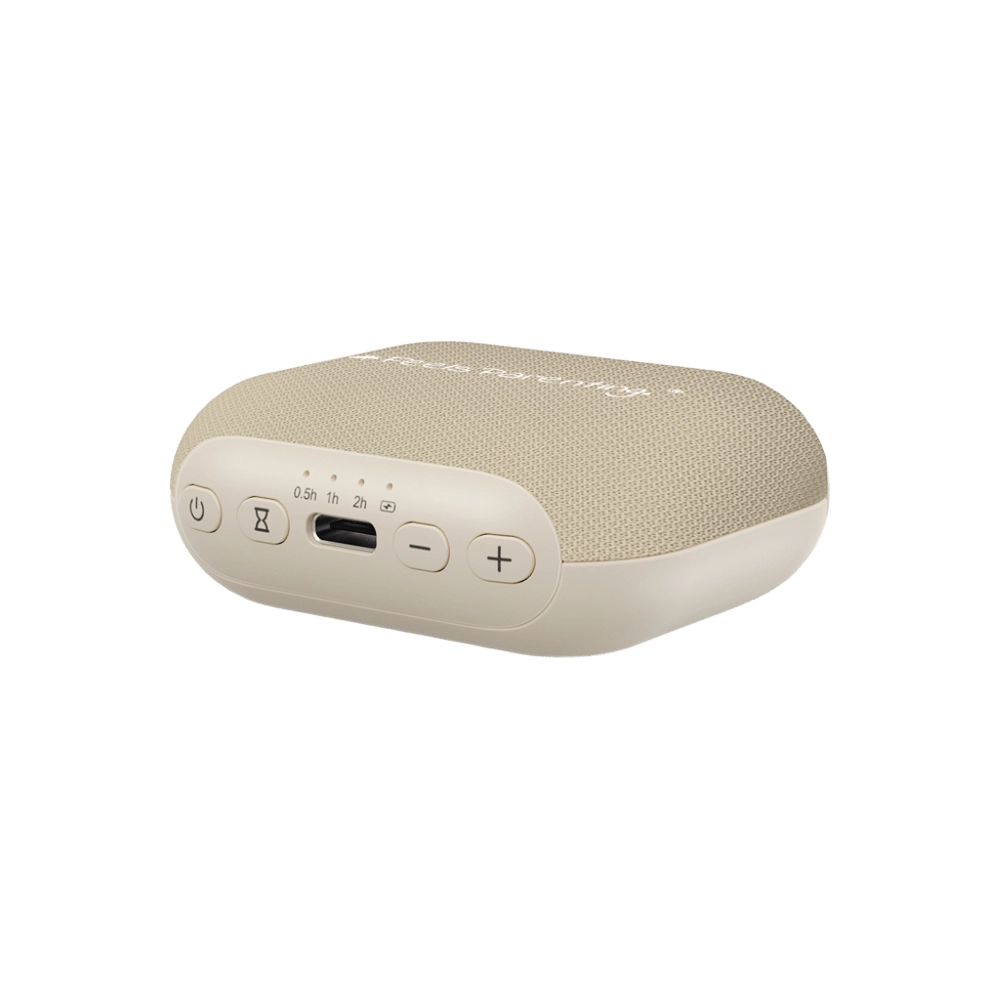
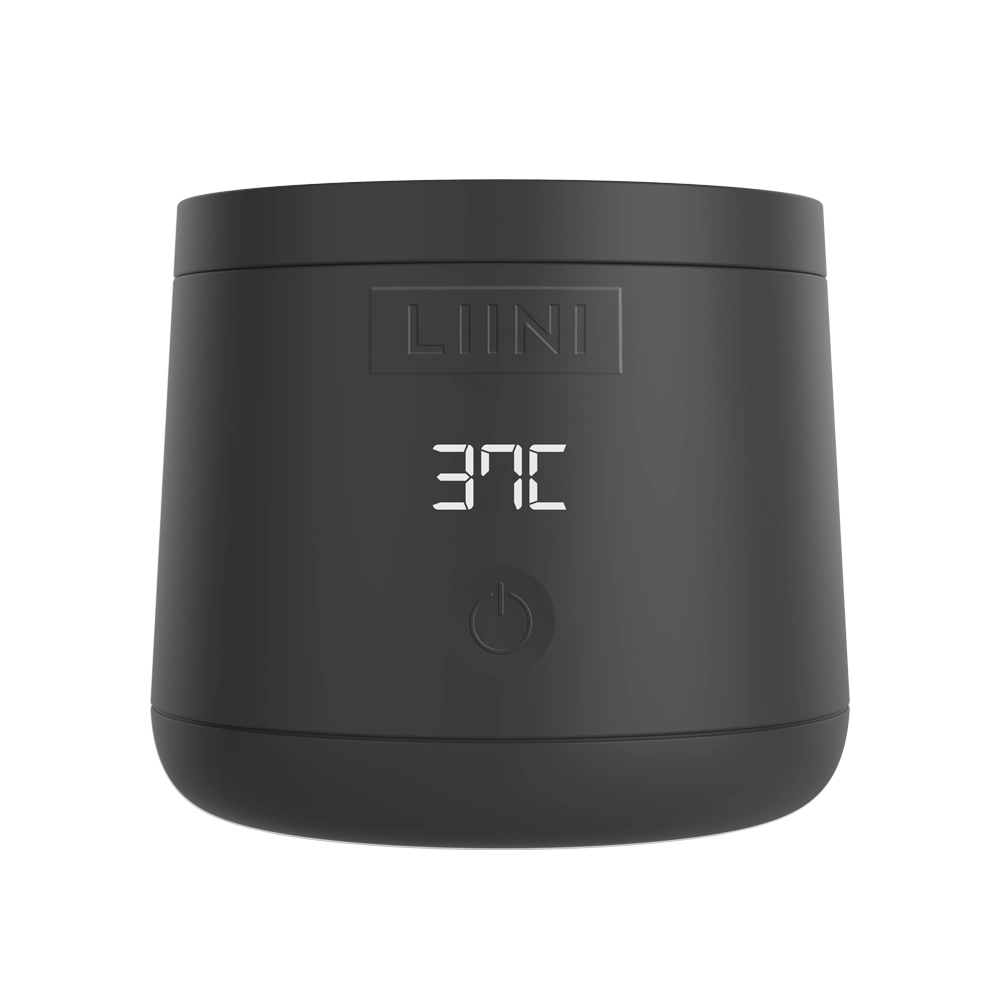
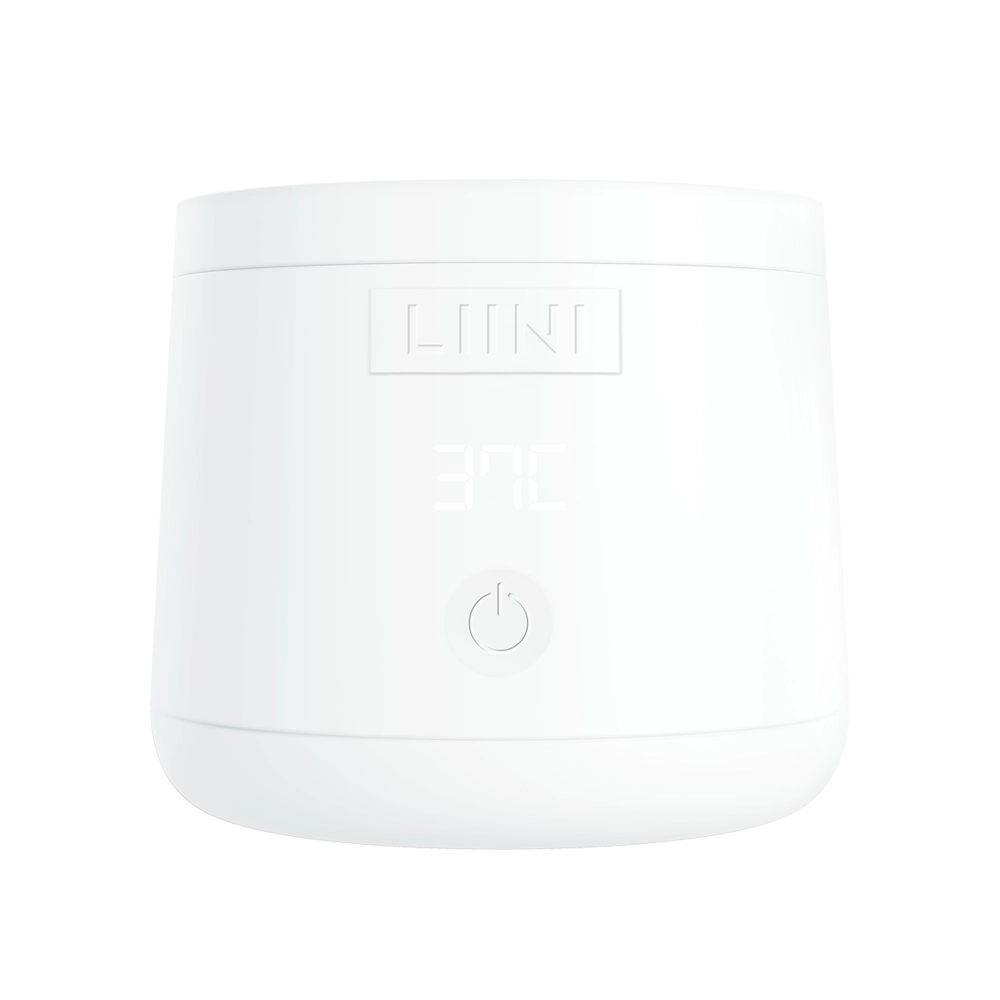
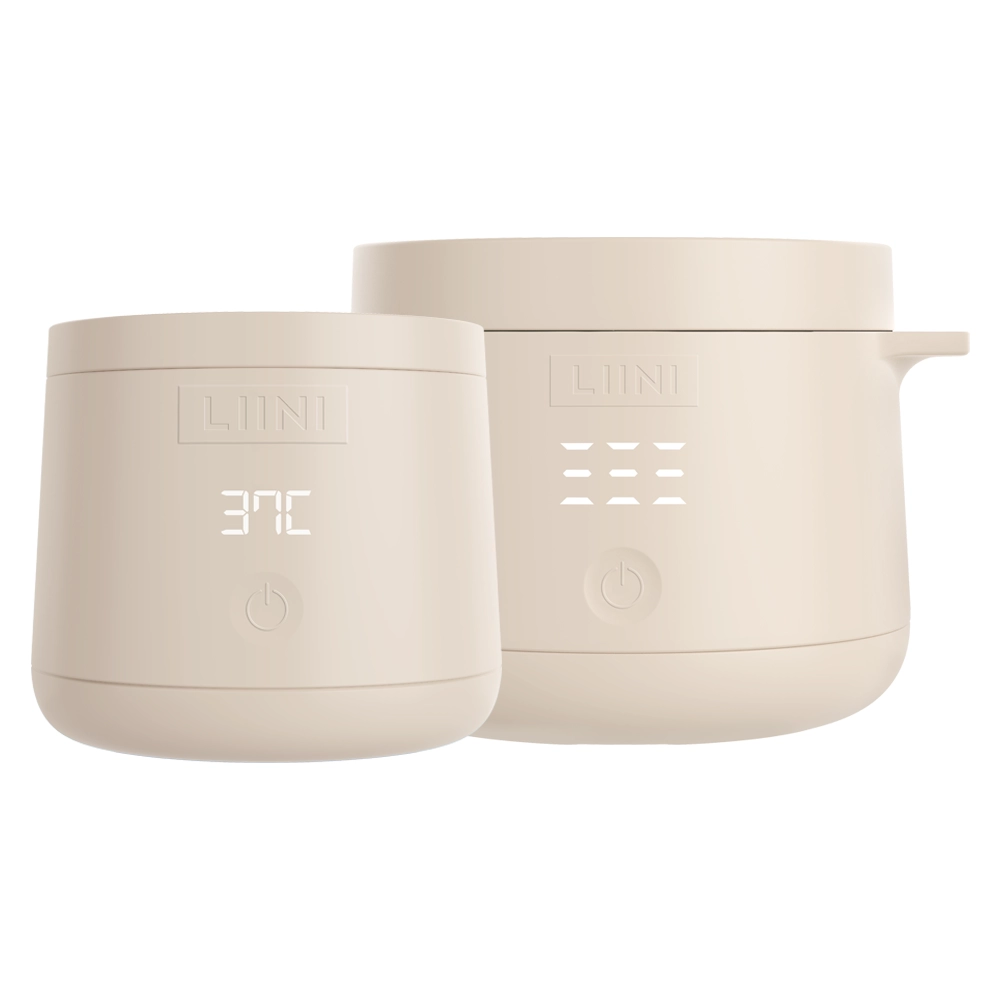
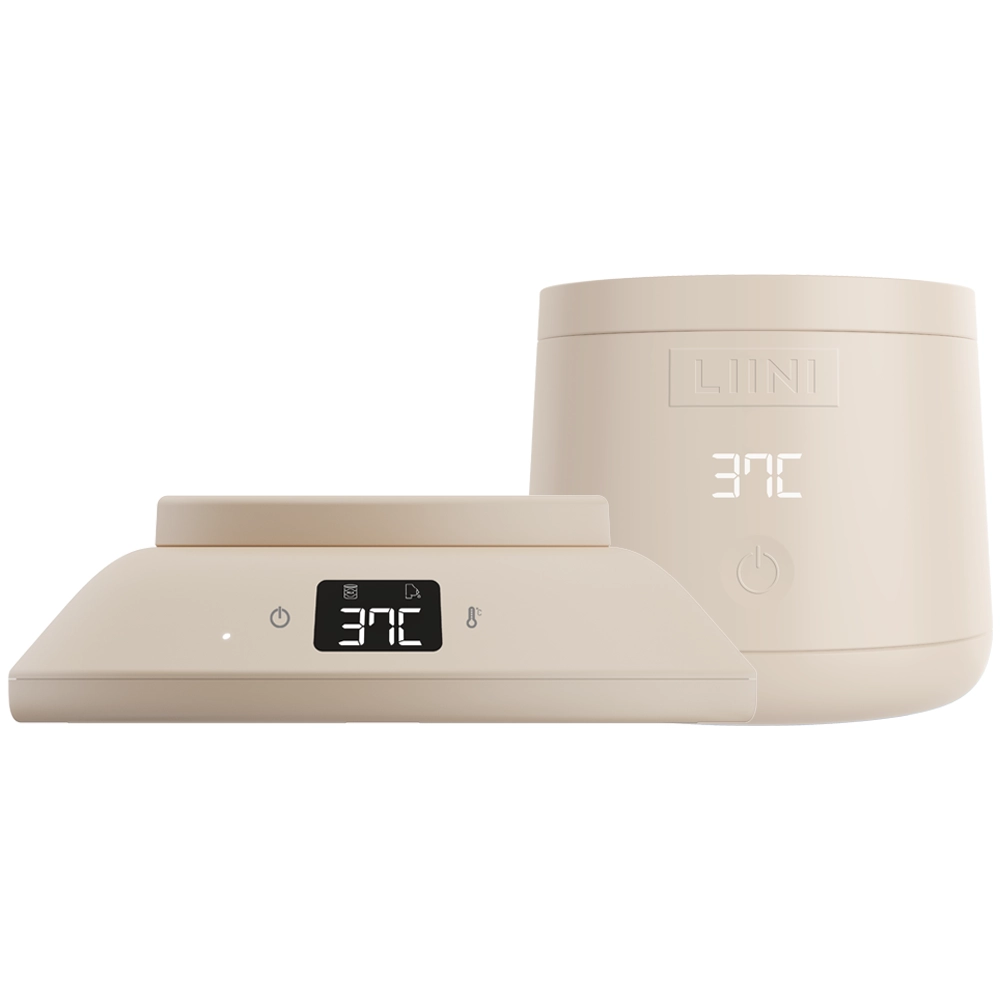
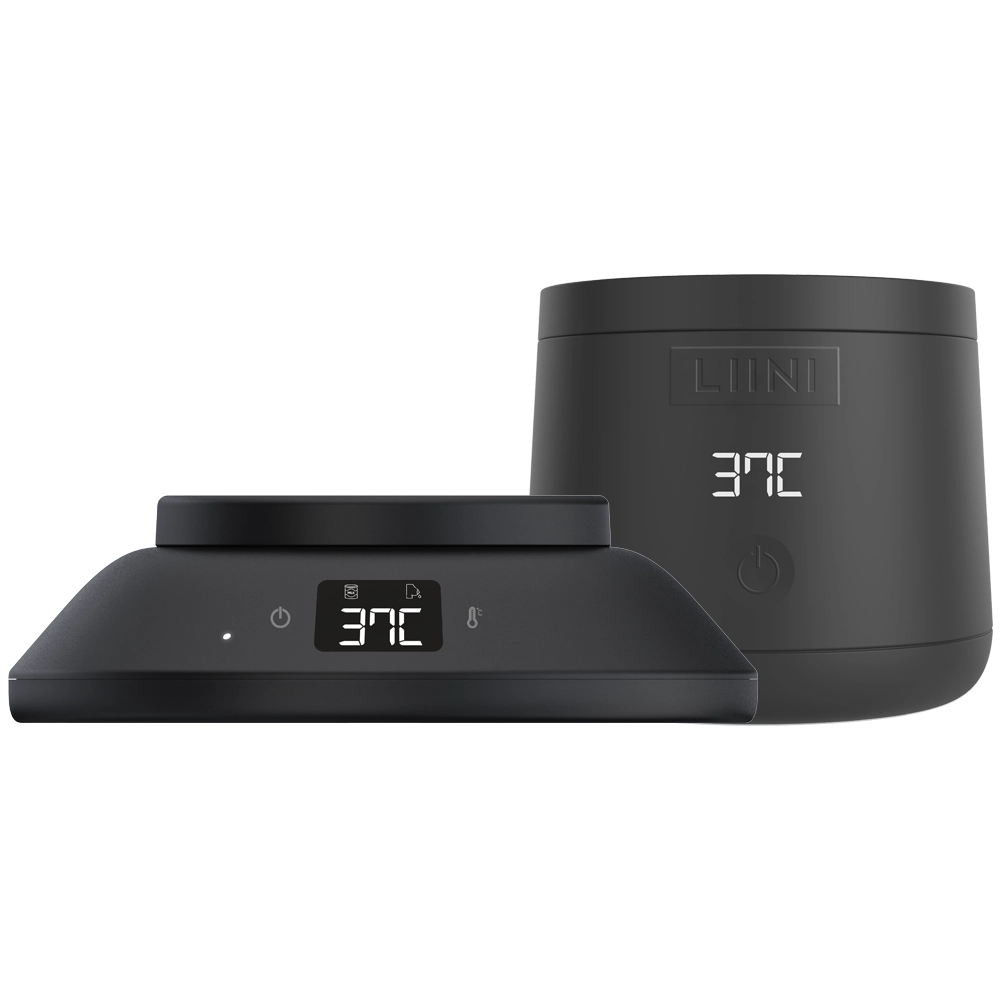
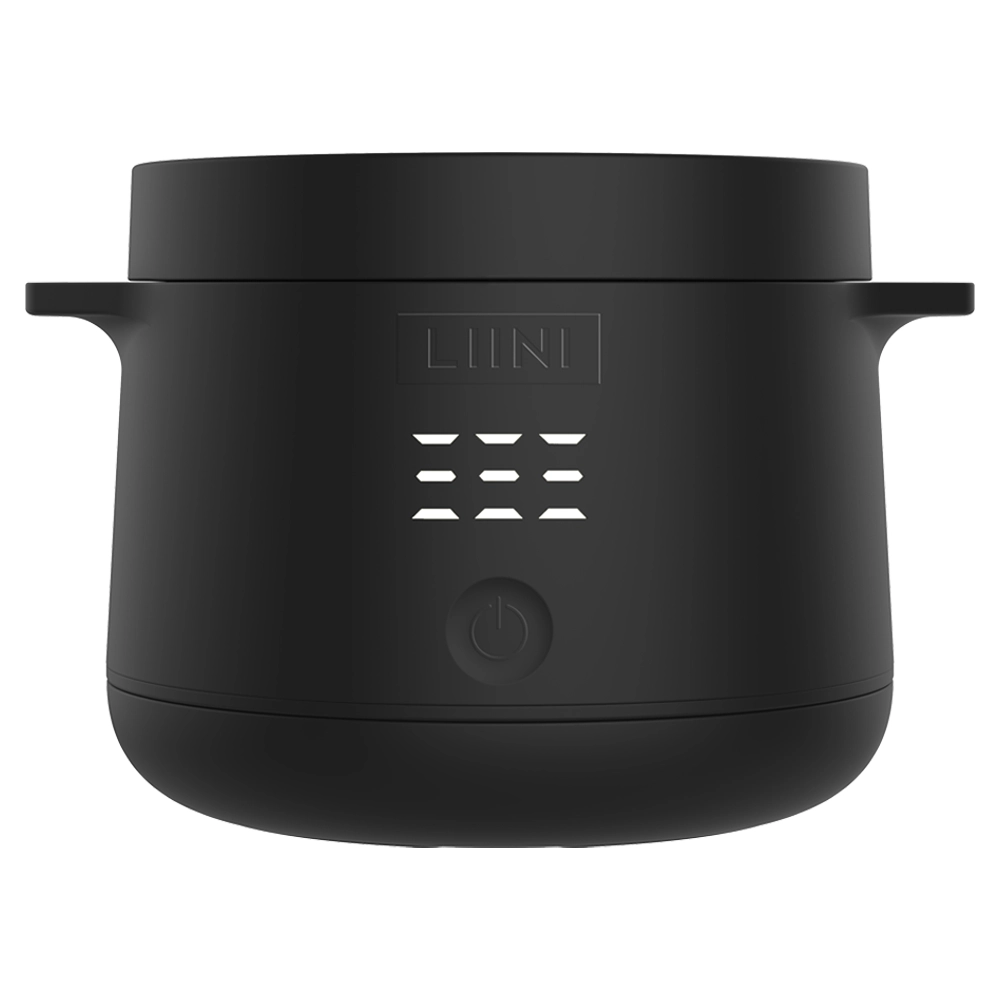
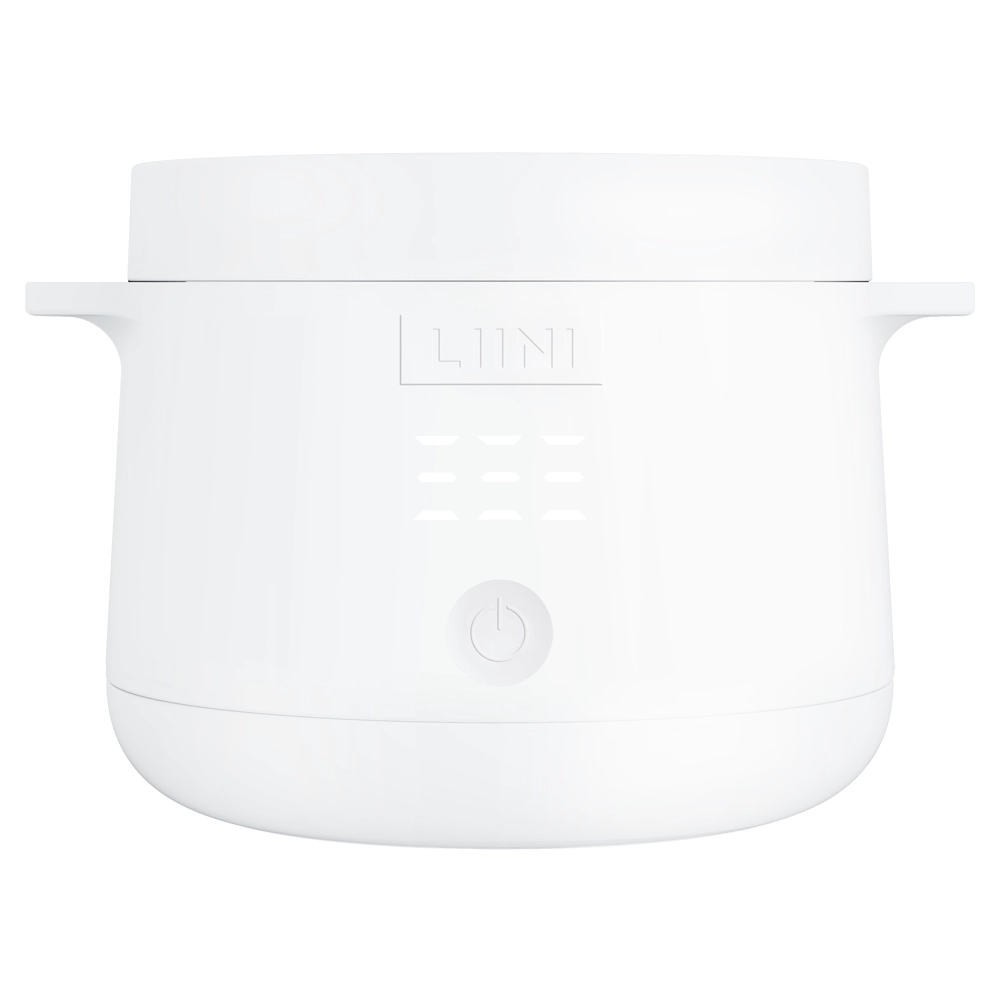
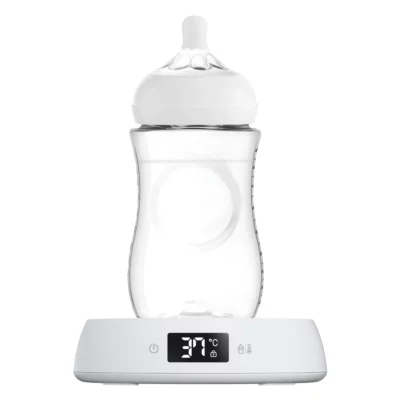
A nighttime station keeps the water warm right in the baby bottle. With the LIINI® nighttime station, you boil tap water before bedtime and fill the bottle immediately with the still-hot water. Then you place the sealed bottle on the station and enter the formula type, amount, and temperature. You can choose from 37, 40, and 45 °C. The station keeps the water at this temperature until the next feeding. At night, simply add the formula, shake the bottle, and check the temperature.
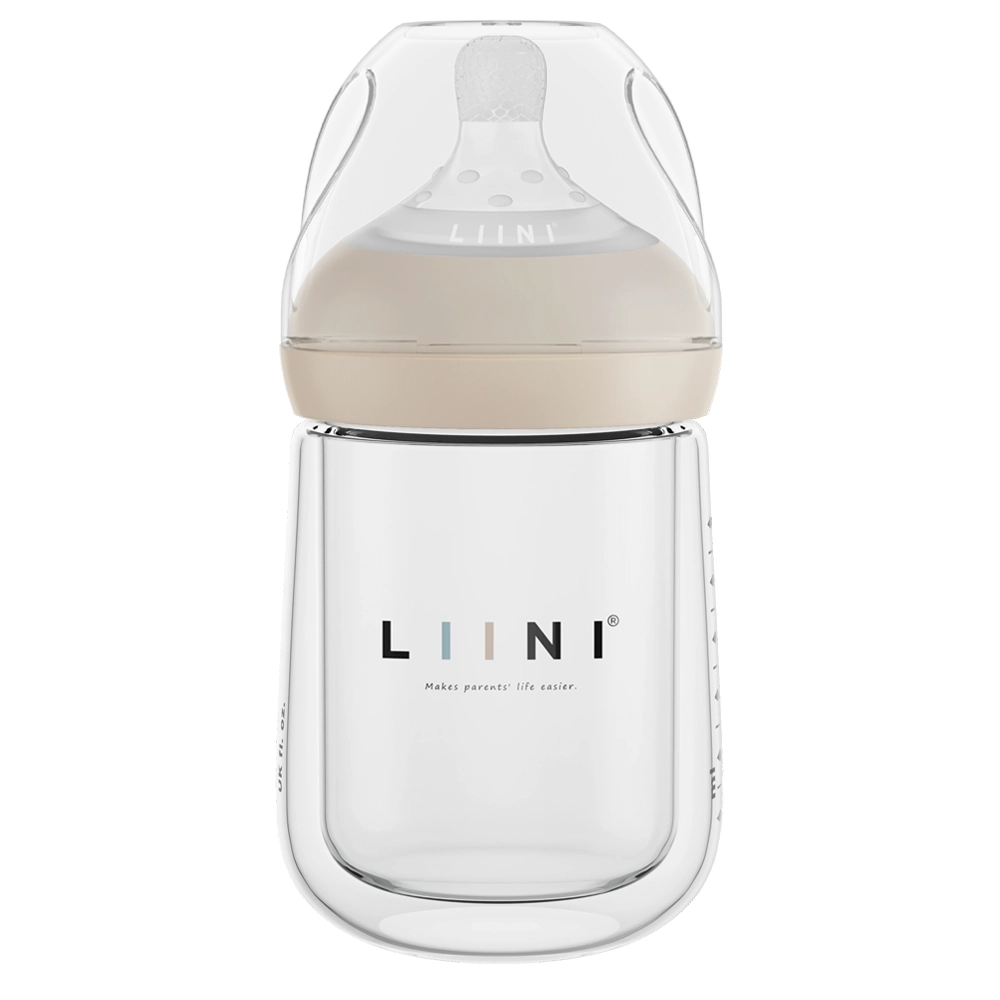
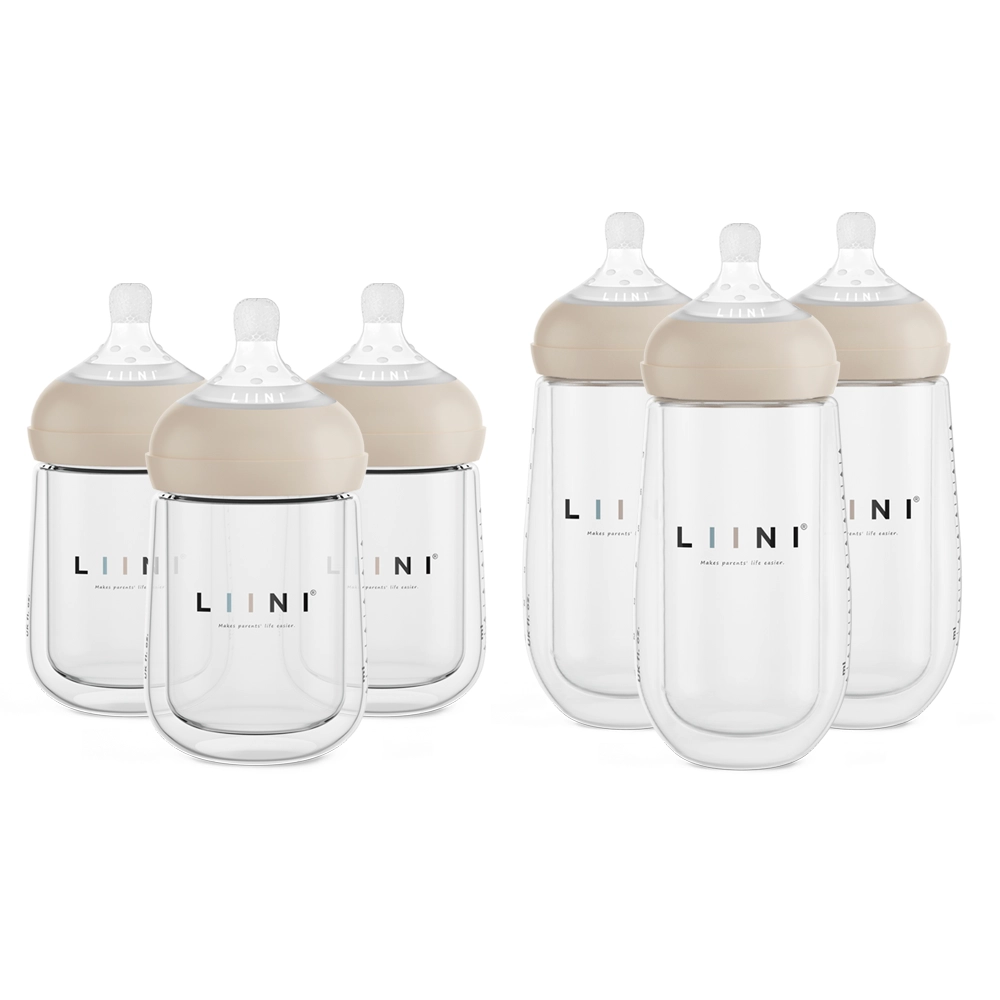
Good to know: According to the instructions, the water reaches the set drinking temperature after about three hours. If your baby wakes up earlier, it will still be warmer. Check the milk especially carefully and, if necessary, cool the sealed bottle under cold water. The station runs on 230 V without a battery and works with single-walled glass or plastic bottles, such as those from Philips Avent, MAM, NUK, and Medela. The LIINI® double-walled baby bottle does not fit on the station. You can find all models and bundles under “Night Station.”
From LIINI

Comparison: Which method is right for you?
| Method | In the evening | At night | Advantages | Disadvantages |
|---|---|---|---|---|
| Electric kettle | None | Boil water, let it cool, add powder | No additional appliance needed; always fresh | Waiting time, light, and noise in the kitchen |
| Thermos | Boil water, pour it in | Measure out the water, add the powder | Inexpensive, can also be used on the go | Water temperature varies depending on the thermos |
| Bottle Filler | Fill the tank and powder container | Press the button, shake | Quick, no measuring required | Requires space, thorough cleaning, and descaling |
| Night shift | Boil water, place the bottle on the station | Add powder, shake | The water is already at drinking temperature; it’s sitting next to the bed | Needs a power outlet; even warmer early in the night |
There’s no one-size-fits-all method. If your baby only feeds once at night, a thermos is often enough. If your baby has multiple feedings and your nights are short, a night feeding station will save you a lot of waiting time.
Prepare in the evening, have it ready quickly at night: the routine
With a set evening routine, you’ll hardly have to think at all at night.
In the evening
- Prepare the bottles. Thoroughly clean the bottles and nipples, then let them dry. Set out as many as your baby usually drinks at night, plus one extra.
- Prepare the water Boil the water and pour it into a clean thermos or directly into the bottles on the nightstand while it’s still hot. Seal everything.
- Measure out the formula: Measure the dry formula according to the package instructions into a formula scoop or formula dispenser. With the LIINI® scoop, fill all four sections.
- Keep everything within reach: a bottle, formula, a burp cloth, a fresh diaper, and a nightlight.
At night
- Wash your hands. Hygiene comes first, even at night.
- Addpowder to water Add the measured amount to the bottle of warm water.
- Shake Shake until the powder is completely dissolved.
- Check the temperature. Put a few drops on the inside of your wrist. The formula should feel warm or cool, but not hot.
- Feed and clean up Pour out any leftovers. Rinse the bottle and clean it thoroughly in the morning.
The guide “How Warm Should Baby Formula Be?” explains exactly how warm the bottle should be. You can find detailed instructions, including all hygiene tips, under “Preparing a Bottle: Step by Step.”
Tips for Peaceful Nights
- Keep the lights dim: A small nightlight is enough for preparing and feeding. Leave the bright overhead light off.
- Keep it quiet: Speak calmly and softly, and keep mealtime short and relaxed. You can play during the day.
- Keep distances short: The more you have next to the bed, the less you’ll have to go to the kitchen.
- Divide up the tasks: If there are two of you, one person can prepare the food while the other feeds the baby. Or you can take turns at night.
- Never let your babydrink alone: Never leave your baby with a bottle propped up or alone in bed with the bottle. Your baby could choke on the milk.
- Help your babyburp: Hold your baby upright briefly after feeding before putting them back down.
Tip
Do a quick check in the evening before you go to bed: bottle, water, formula, nightlight. That way, you’ll have everything you need at night.
Frequently Asked Questions
Can I prepare the bottle in the evening and put it in the refrigerator?
No. The BIÖG advises against preparing bottles in advance. According to the BfR, storing prepared formula is acceptable only in exceptional cases and under strict hygiene conditions—the kind typically found only in professional care settings. It’s better to prepare the water and powder separately at home.
How long does the water in the thermos stay usable?
Boil fresh water every evening and pour it into a clean, sealed pitcher. That way, it’s ready for the night. In the morning, pour out whatever’s left and rinse out the pitcher.
Does the water have to be boiled for the night?
For the thermos and the nighttime bottle, boil the water, since it will sit for hours. According to Pediatrics Switzerland, fresh tap water straight from the faucet is suitable for preparing formula if you make the bottle immediately. In the first few weeks of life, Inselspital Bern recommends always boiling the water.
Can I measure out powdered milk in advance?
Yes. You can measure out the dry powder in advance. Pour it into a clean, dry measuring scoop, a formula dispenser, or a clean, dry bottle. Make sure it stays dry; otherwise, the powder will clump.
Is a bottle maker hygienic?
That depends mainly on how well you maintain it. Clean and descale the machine exactly according to the manufacturer’s instructions, and don’t leave water in the tank any longer than the instructions allow. The machine itself only mixes the formula when you need it.
How warm should the nighttime bottle be?
About body temperature. The milk should feel warm or cool on the inside of your wrist, but not hot. Check the temperature just as carefully at night as you do during the day, even if you’re tired.
Does the Night Station work with glass bottles?
Yes, with single-walled glass or plastic bottles. You set the bottle material when you start the device. The double-walled LIINI® double-glass baby bottle is not compatible with the Night Station.
Sources
- Hygiene During Bottle-Feeding, kindergesundheit-info.de, Federal Institute for Public Health (BIÖG)
- Recommendations for the Hygienic Preparation of Powdered Infant Formula, Federal Institute for Risk Assessment (BfR)
- Information Sheet on the Preparation of Infant Formula, Insel Group, Inselspital Bern
- Recommendations for Infant Nutrition (2017), Nutrition Commission of the Swiss Society of Pediatrics (Pädiatrie Schweiz)
- What Should You Keep in Mind When Preparing Infant Formula Hygienically?, “Gesund ins Leben” Network
- How to Prepare Infant Formula, NHS
- Bottle-feeding advice, NHS