
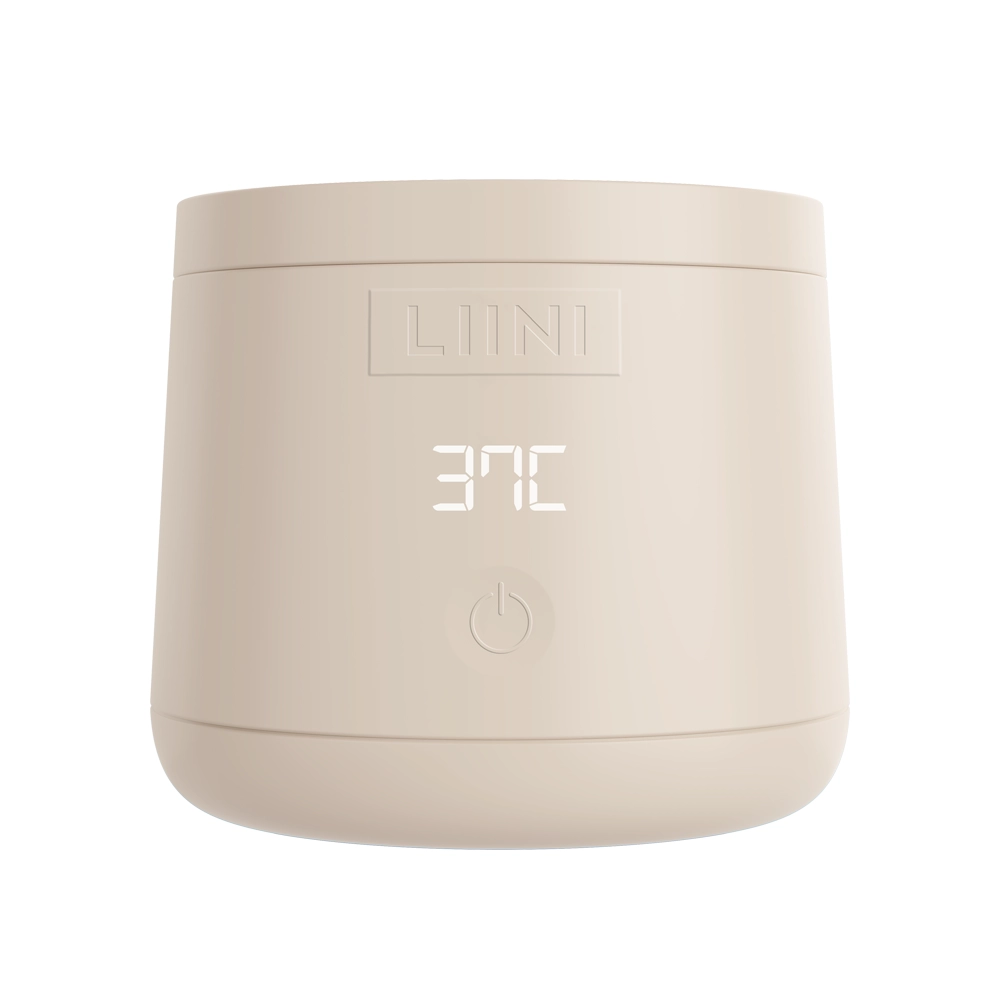
 4.0 PRObattery · on the go
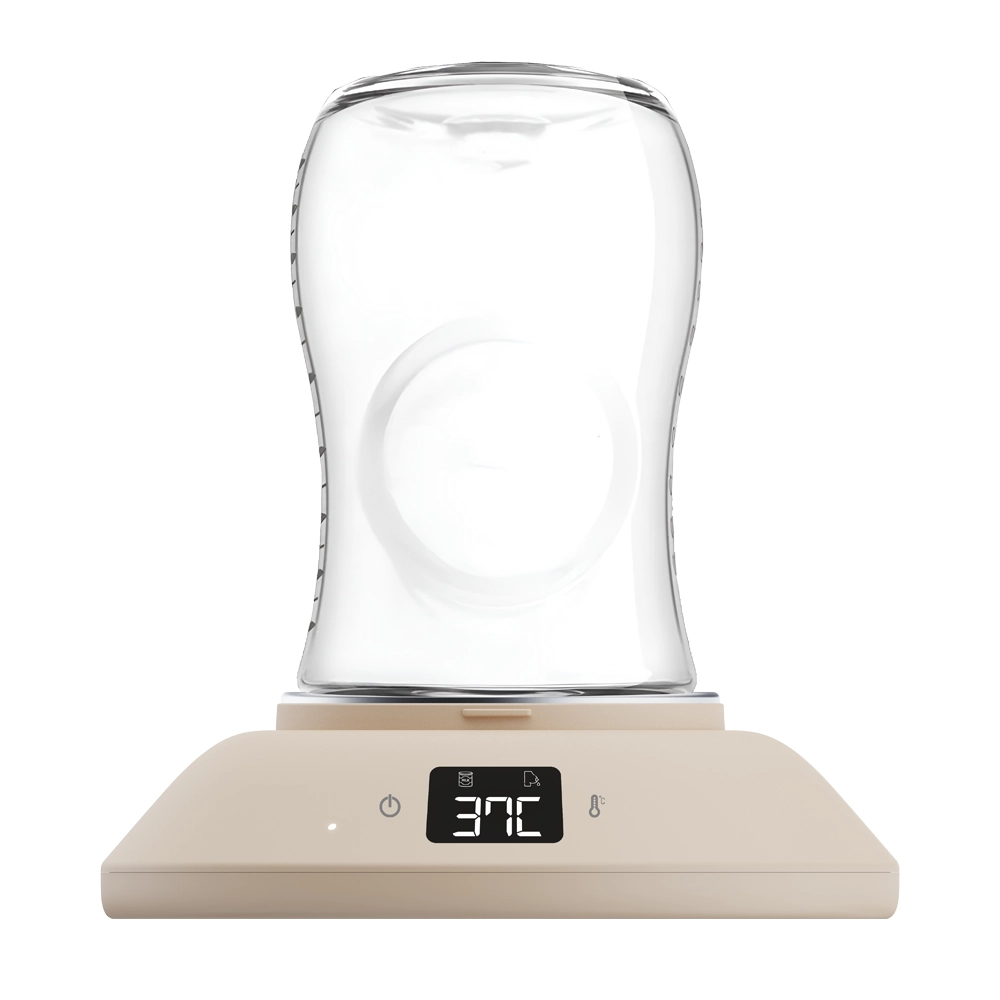 Home 230Vfor home
 Baby food warmersfrom 6 months
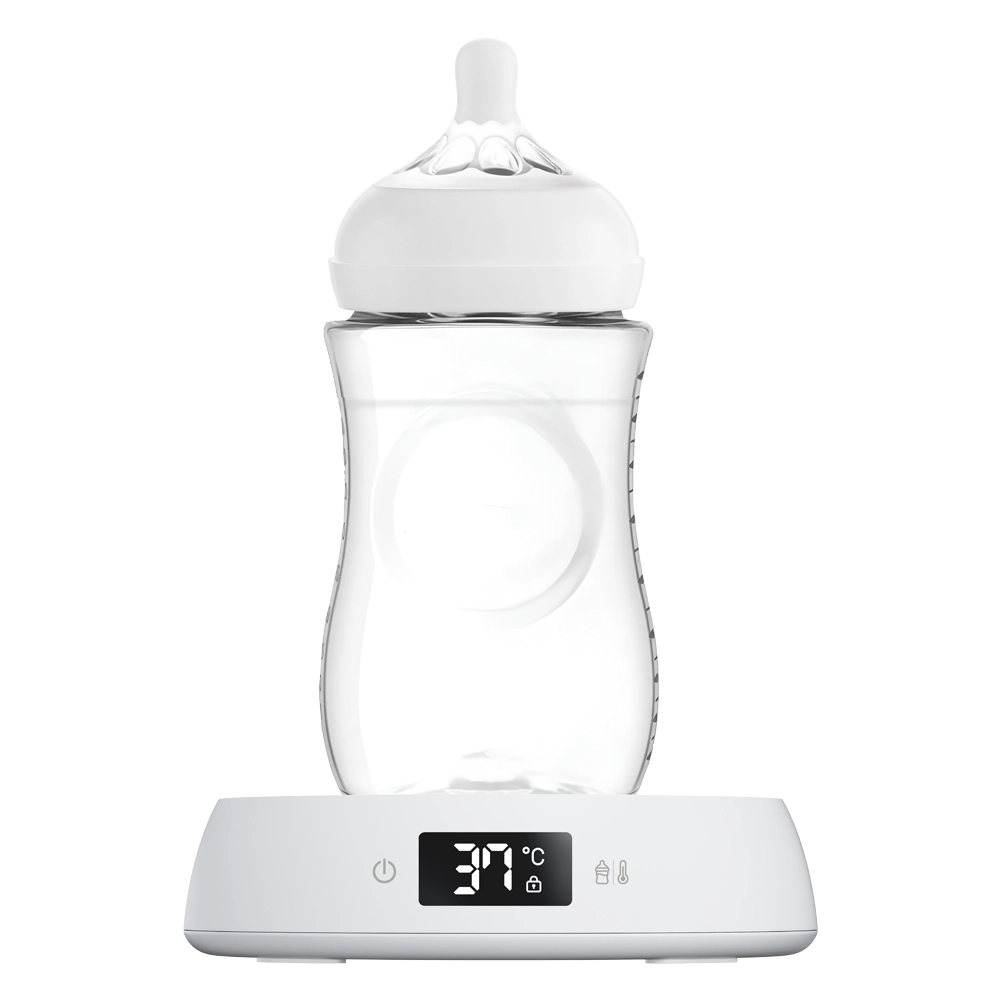 Night Stationfor the night




 Cleaning Wipes Monthly Pack
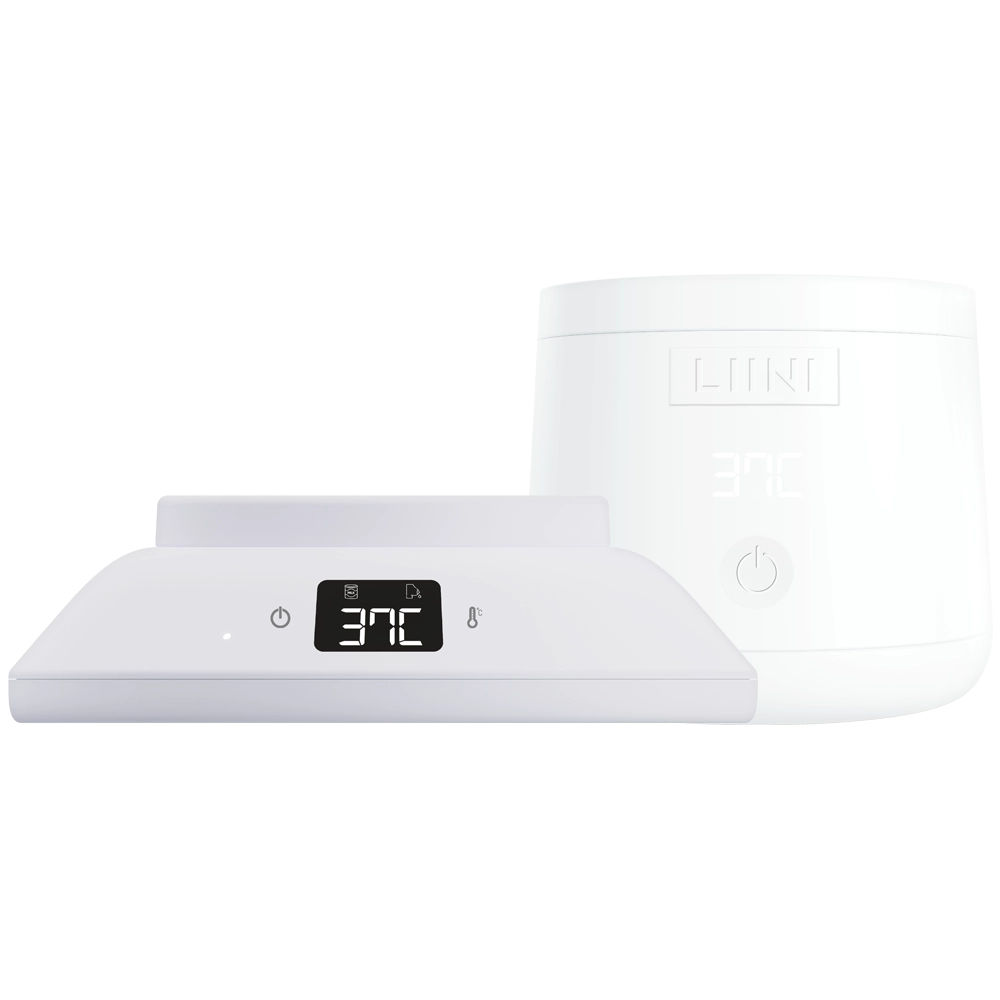 Home & 2Go Bundle
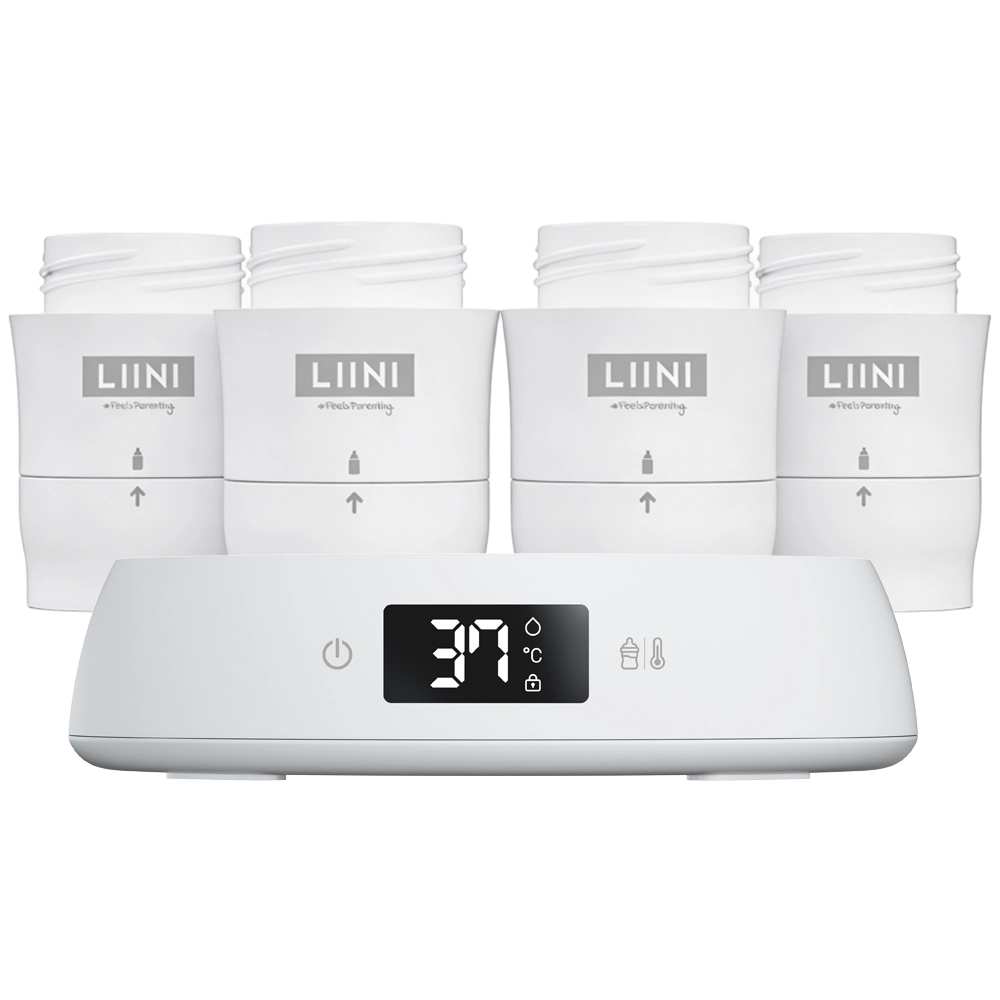 Formula Dispenser Avent
 Baby Bottle Bundle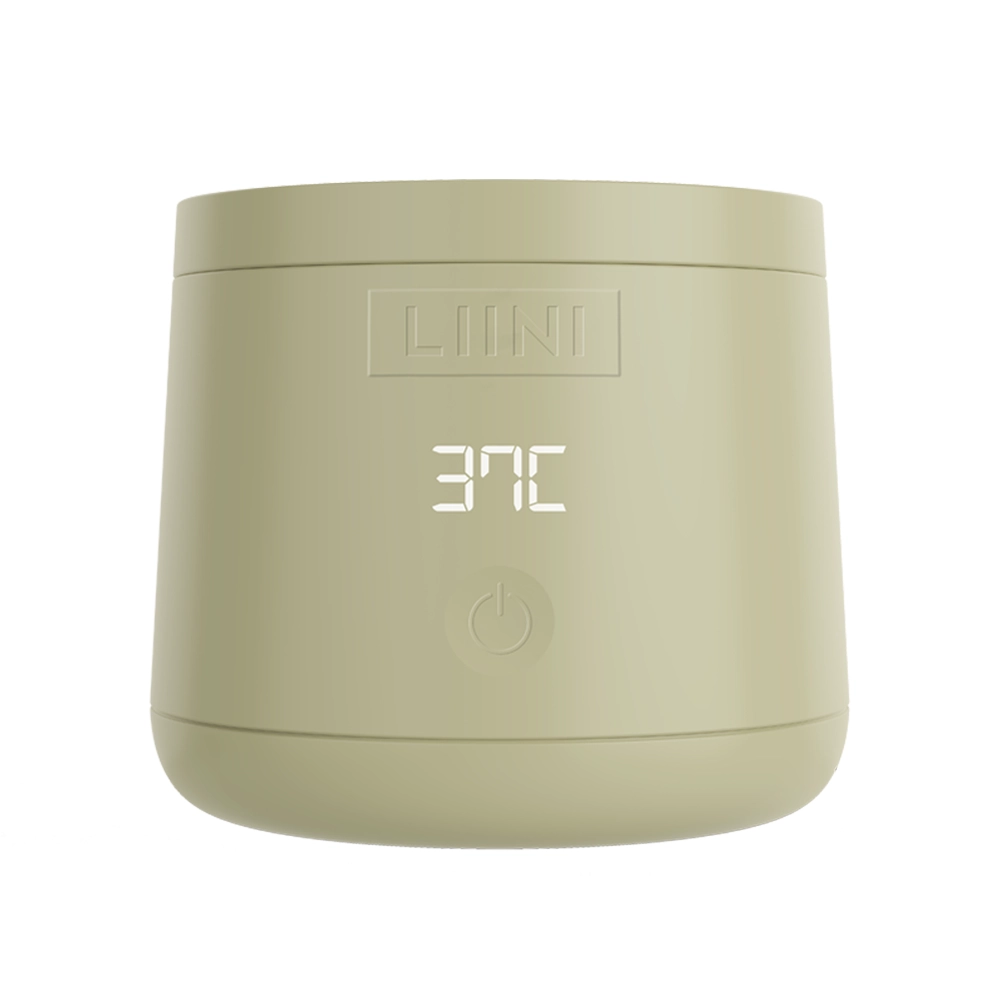










How Warm Should Baby Milk Be? Temperature for Breast Milk and Formula
Body temperature is ideal, but cool is often fine, too: Here's how to find the right temperature for breast milk and formula. Includes a temperature scale and the wrist test.
Contents
In short
Baby formula should be about body temperature when served—around 37 °C. It should feel warm or cool against the inside of your wrist, but not hot. Gently warm breast milk, for example in a water bath at no more than 40 °C, and never in the microwave or in a saucepan. Breast milk can also be given at room temperature or chilled. When preparing formula, follow the instructions on the package, and always check the temperature before feeding.
Is the bottle too hot, too cold, or just right? Almost all parents wonder how warm baby milk should be, especially in the first few weeks. Here, you’ll learn the recommended temperatures for breast milk and infant formula, how the wrist test works, and why microwaves and pots are off-limits.
How warm should baby milk be? The rule of thumb
The simple answer: about as warm as your body. The Lindenhof Hospital in Bern recommends warming breast milk to body temperature, that is, to 37 °C. The Canton of Bern’s Parenting Counseling Service also refers to body temperature. The British National Health Service (NHS) describes the same for formula: the milk should feel warm or cool on your wrist, but not hot.
There’s a clear upper limit. The Federal Institute for Public Health (BIÖG) recommends heating the water to no more than 40 °C to prevent your baby from getting scalded. As you’ll see in a moment, there’s more leeway on the lower end.
| Situation | Guideline | What to look for |
|---|---|---|
| Drinking temperature, breast milk, and formula | Approximately body temperature, around 37 °C | Wrist: warm or cool, not hot |
| Water bath for breast milk | no more than 40 °C | Seal the bottle and warm it slowly |
| Water for mixing formula | as directed on the package, lukewarm | Then check the prepared formula |
| Boiling water | Not recommended | Never boil breast milk; do not mix formula with boiling water |
| Room temperature or chilled | Fine with breast milk | if your baby likes it that way |
Does baby milk have to be warm?
Not necessarily. The U.S. Centers for Disease Control and Prevention (CDC) states that breast milk does not need to be warmed. It can be given at room temperature or cold. The Academy of Breastfeeding Medicine notes that most babies drink breast milk cold, at room temperature, or warmed. However, some babies have clear preferences.
When it comes to prepared formula, hygiene is more important than temperature. According to the Federal Institute for Risk Assessment (BfR), water at a temperature of about 20 to 50 °C is sufficient for healthy, full-term babies. So a freshly prepared bottle can also be at room temperature if your baby drinks it that way. Some babies prefer it at body temperature. Take your time during the day to figure out what your baby likes best. If your baby will drink cooler milk, you’ll save yourself the trouble of warming it up at night or when you’re out and about. To find out how to do this without a kitchen, read the guide “Warming Milk on the Go.”
Good to Know
Whether cold or warm: Always prepare mixed formula fresh and, according to the BfR, feed it within two hours. Do not save a prepared bottle for later.
Gently Warming Breast Milk: The Right Temperature
Breast milk contains valuable antibodies. According to the Academy of Breastfeeding Medicine, the bioactive proteins in breast milk are inactivated if it gets too hot when warmed. Therefore, the rule is: warm it slowly and don’t overdo it.
- Thawing, if necessary: The best way to thaw frozen breast milk is to leave it in the refrigerator overnight, or under warm running water or in a warm water bath.
- Prepare a water bath: Fill a container with warm water no hotter than 40 °C, as recommended by Lindenhof Hospital in Bern and the Academy of Breastfeeding Medicine.
- Place the bottle in the water Place the sealed bottle in the water until the milk reaches body temperature. Alternatively, use a bottle warmer set to the “breast milk” setting.
- Swirl the bottle gently so that the milk mixes well and is evenly warmed throughout.
- Check: Do the wrist test before your baby drinks.
According to Lindenhof Hospital in Bern, once breast milk has been warmed, you should feed it to your baby within two hours; after that, it should be discarded. According to the Canton of Bern’s Parenting Counseling Service, you should warm thawed breast milk only once and not refreeze it. You can read about how to store pumped milk in the guide “Pumping and Storing Breast Milk.”
Formula: Mixing Temperature and Feeding Temperature
With powdered formula, there are two temperatures to consider: the temperature of the water when mixing the formula and the temperature of the prepared formula when feeding.
Recommendations vary slightly when it comes to mixing formula. Pediatrics Switzerland recommends water at drinking temperature or boiled water that has been cooled to drinking temperature. The professional association advises against using boiling water or water heated to 70 °C, as your baby could get scalded and the nutrients could be compromised. The German network “Gesund ins Leben” specifies a maximum of 40 °C, while the BfR recommends approximately 20 to 50 °C. The NHS in the UK, on the other hand, recommends at least 70 °C. For you, this means: Follow the instructions on your package.
When it comes to feeding, there’s only one thing that matters: the milk mustn’t be hot. If you’ve mixed it with warmer water, test the temperature of the prepared milk on your wrist. If it’s too warm, hold the sealed bottle under cold running water and check again. You can find the entire preparation process, step by step, in the guide “Preparing a Bottle.”
Wrist Test: How to Check the Temperature of a Bottle
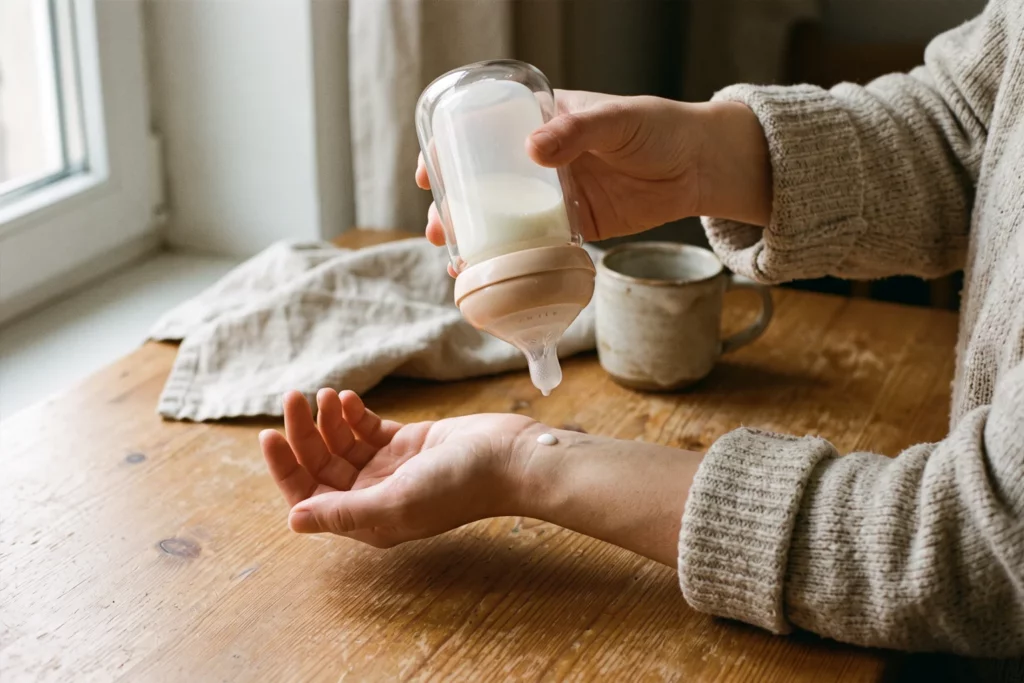
The wrist test is quick to do and doesn’t require a thermometer. It’s recommended by the BIÖG, the CDC, and the NHS, among others.
- Mix well. Shake or swirl the bottle so that the milk is evenly warmed throughout.
- Add a fewdrops: Put a few drops on the inside of your wrist.
- Check the temperature: The milk should feel warm or cool, but not hot.
- Cool if necessary: If it’s too hot, cool the closed bottle under cold running water.
- Test again: Check the temperature again after cooling; only then should you feed your baby.
Don’t taste the milk by putting your mouth on the nipple. That way, germs from your mouth won’t get onto the nipple. A thermometer can help you get a feel for the right temperature at first. After that, your wrist is usually enough.
Microwave and Stovetop: Why Not?
You want it to be quick, especially when the baby is crying. Still, using a microwave or a saucepan to warm baby formula isn’t a good idea.
Warning
Never heat baby formula in the microwave. It heats unevenly, creating hot spots that can burn your baby’s mouth. You should also not heat or thaw breast milk in a saucepan.
The Canton of Bern’s Parenting Counseling Service cites several reasons: There is a risk of scalding, and the vitamin C content and antibodies in breast milk are compromised. The CDC points out that microwaving can destroy nutrients in breast milk. The Inselspital Bern also advises against using a microwave for infant formula.
Bottle warmers with preset temperature settings
A bottle warmer takes the guesswork out of it. You select a setting, and the device heats the milk to that temperature. It’s important that the settings are suitable for breast milk and infant formula and don’t get hotter than necessary.
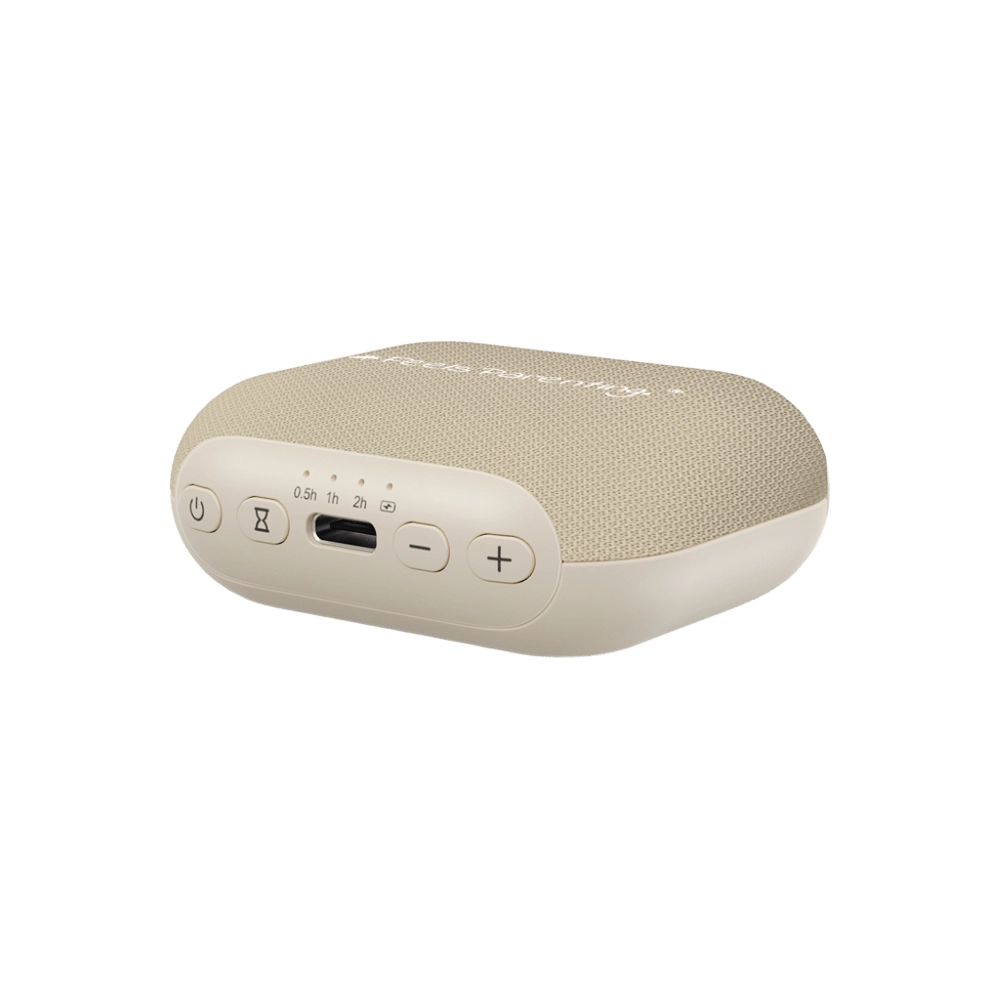
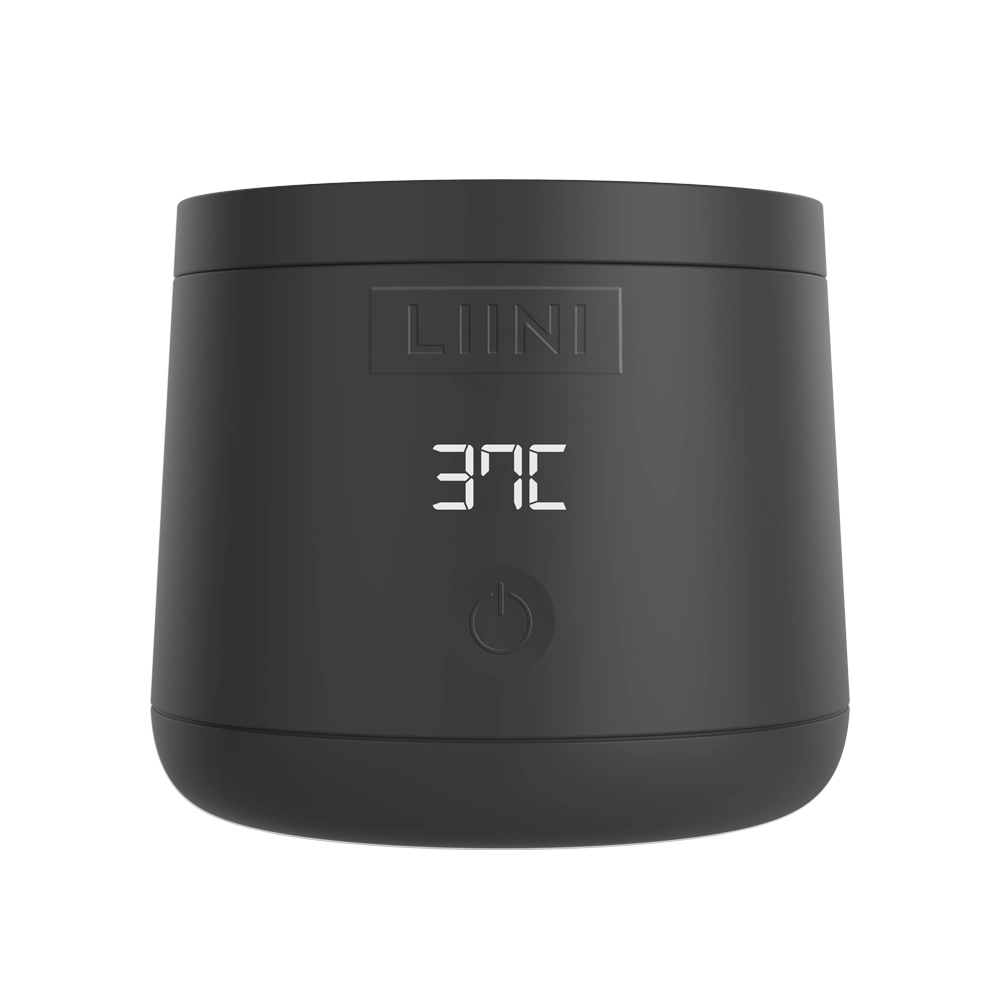
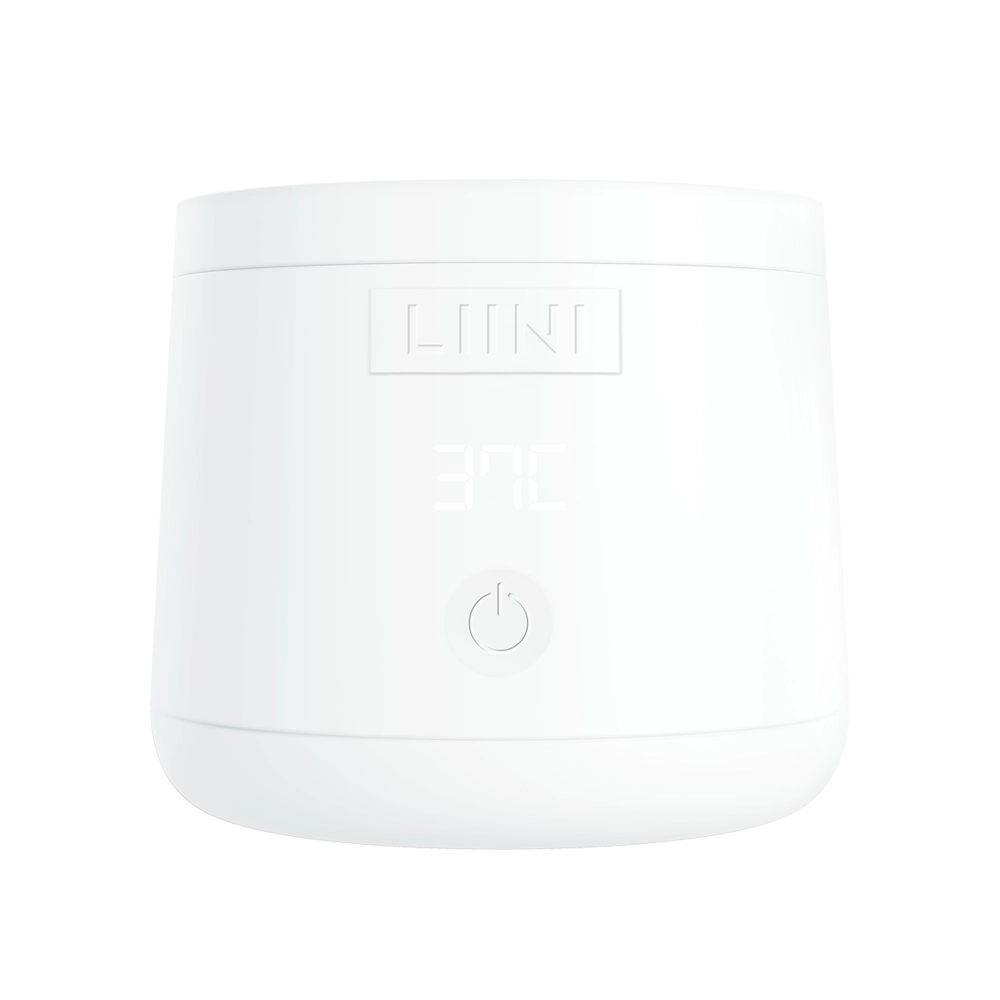
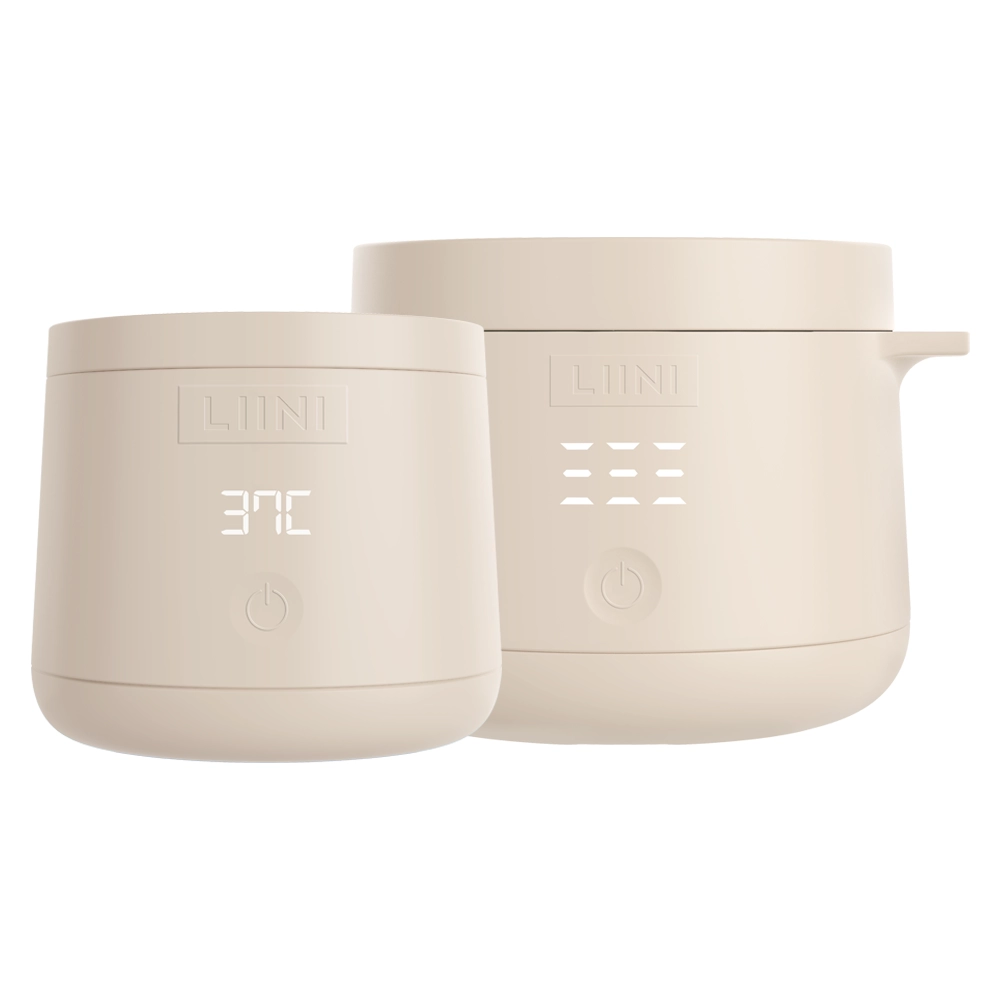
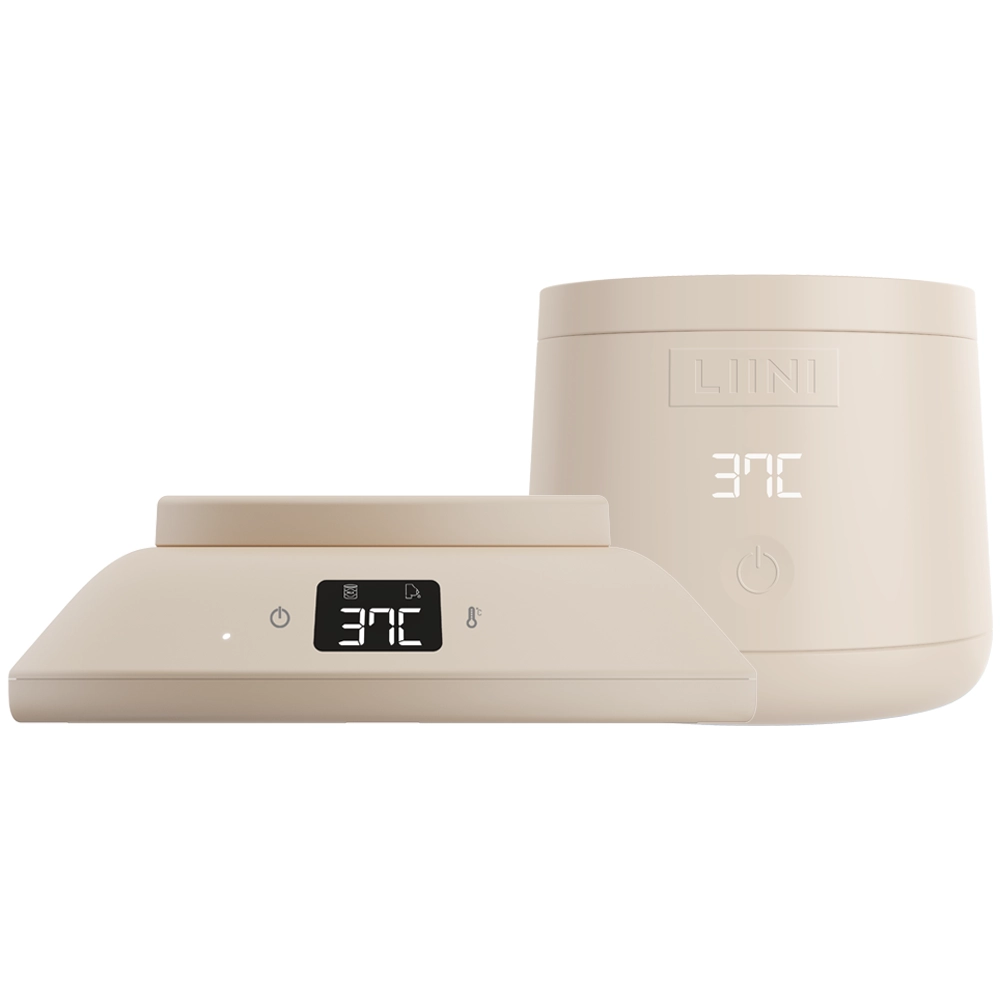
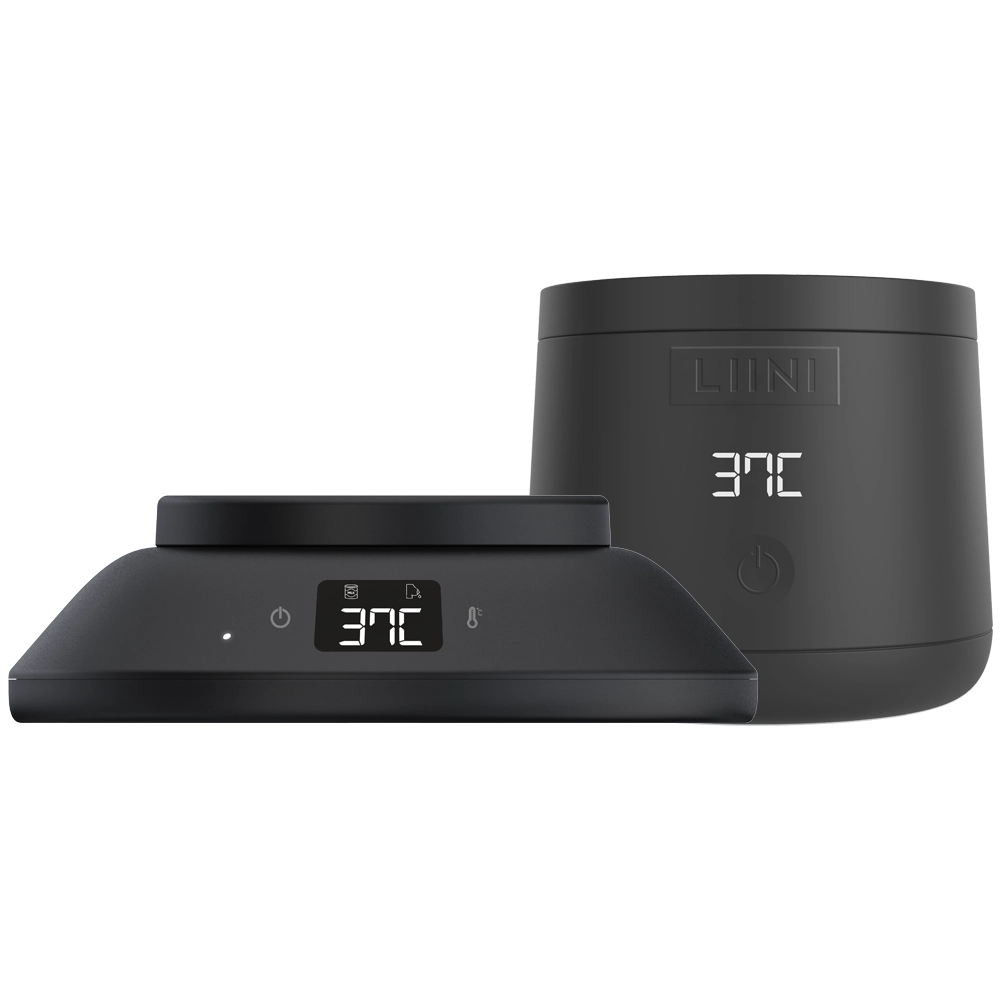
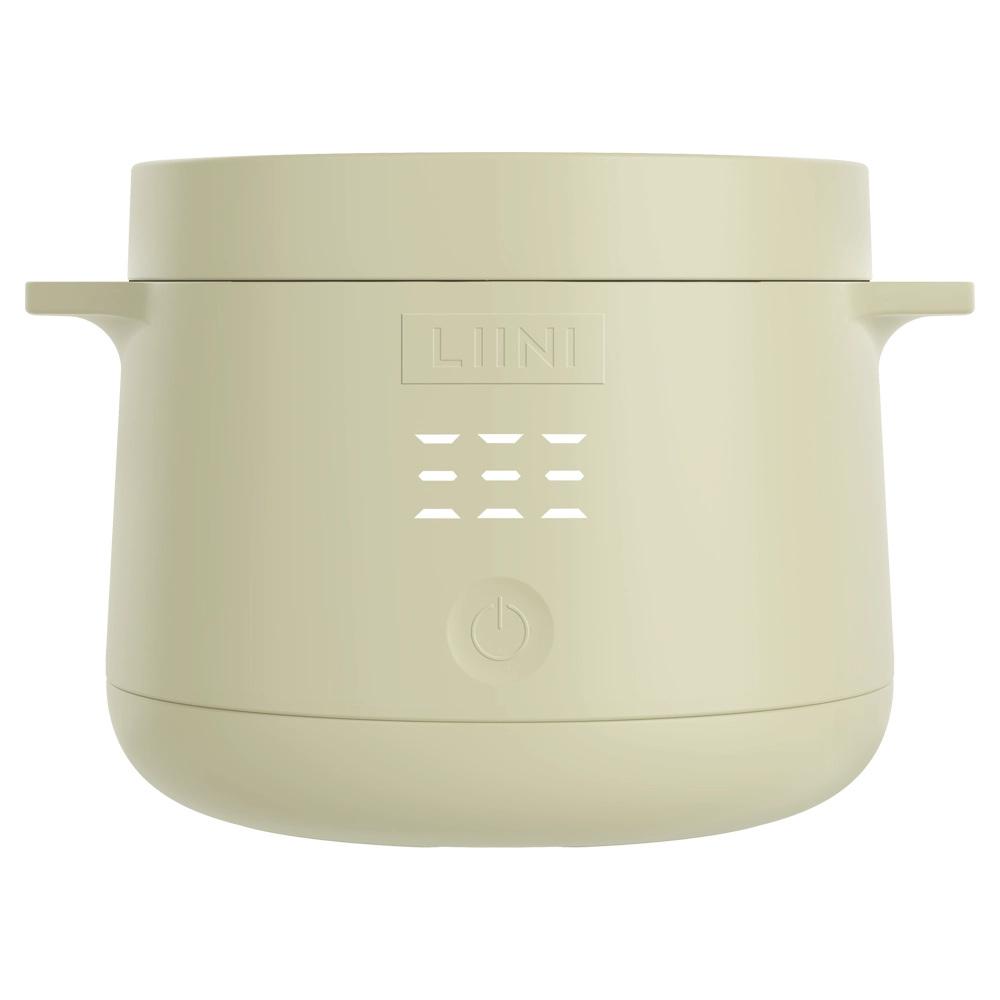
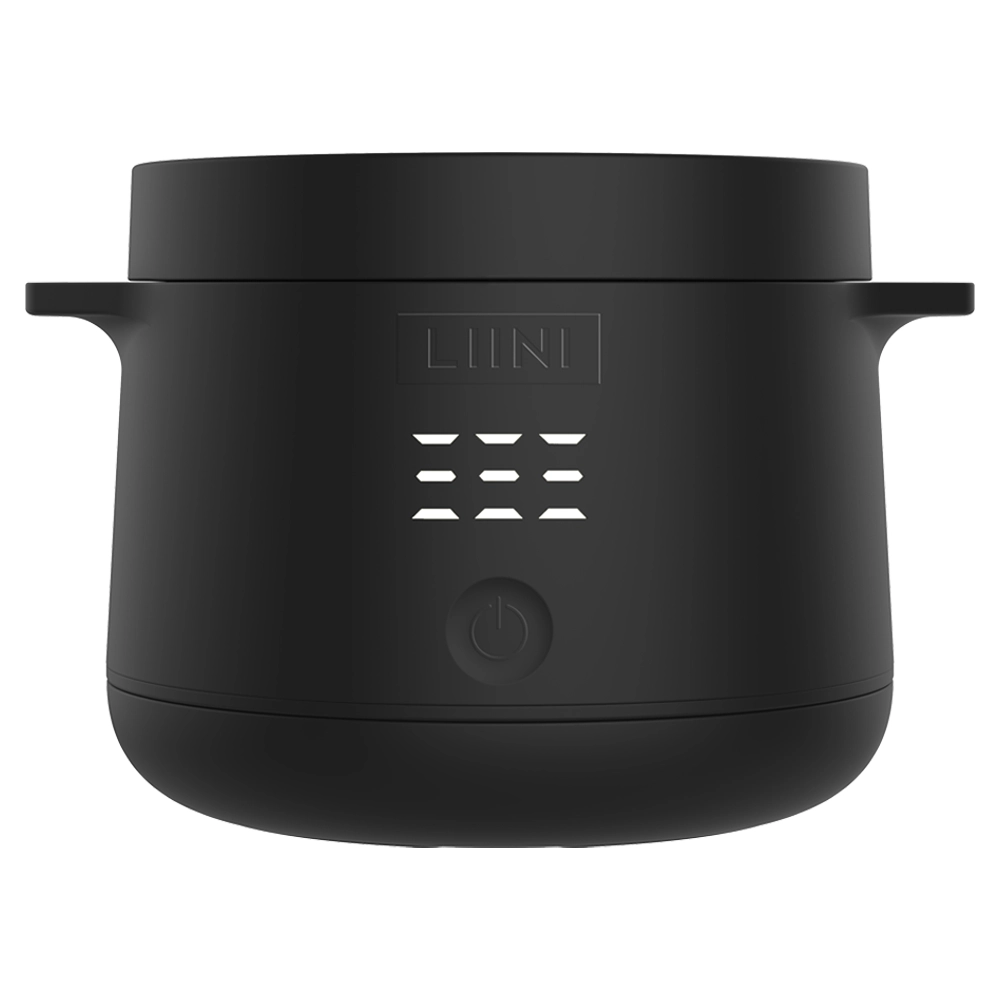
The LIINI® 4.0 PRO bottle warmer has four preset temperature settings: 37 °C for breast milk, and 40, 45, and 50 °C for formula. It heats directly via a stainless steel heating plate, without a water bath and without transferring the milk to another container. According to LIINI, variations of up to 2.5 °C are possible depending on the bottle material, the environment, and the milk. So be sure to do the wrist test even when using a bottle warmer. If you select 45 or 50 °C for formula, let the milk cool slightly before feeding, if necessary. The rechargeable battery means it doesn’t need to be plugged in. You can find more models under “Bottle Warmers ” and “On-the-Go Bottle Warmers.”
From LIINI
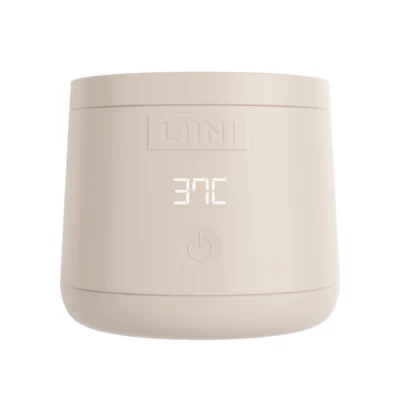
The keep-warm function is handy if your baby doesn’t drink right away. But remember: Prepared formula shouldn’t be left warm for long. According to the BfR, drinking temperature creates ideal conditions for germs, so you should feed it to your baby within two hours.
Frequently Asked Questions
How warm should breast milk be?
About body temperature, or around 37 °C. Warm it gently, for example in a water bath at no more than 40 °C or in a bottle warmer set to the “breast milk” setting. However, breast milk can also be given at room temperature or chilled if your baby will drink it that way.
Can my baby drink cold breast milk?
Yes. According to the CDC, breast milk does not need to be warmed and can be given at room temperature or cold. Many babies drink it cold, while others prefer it warm. See what your baby likes.
How warm should formula be before feeding?
About body temperature. It should feel warm or cool on the inside of your wrist, but never hot. The package will tell you how warm the water should be when you mix it. Always check the prepared formula before feeding.
How do I do the wrist test correctly?
Shake the bottle briefly and place a few drops on the inside of your wrist. If the formula feels warm or cool, it’s just right. If it’s hot, cool the closed bottle under cold water and test it again.
How long can warmed formula be left out?
According to Lindenhof Hospital in Bern, warmed breast milk should be fed within two hours; after that, it should be discarded. The BfR also recommends feeding prepared infant formula within two hours. Discard any leftover formula from the bottle after the feeding.
Can I reheat breast milk twice?
No. According to the Canton of Bern’s Parenting Counseling Service, you should only warm thawed breast milk once. Therefore, warm only as much as your baby is likely to drink, and prepare a second portion if needed.
Which setting should I use on the bottle warmer?
For breast milk, use the breast milk setting; on the LIINI® 4.0 PRO, this is 37 °C. For formula, choose one of the appropriate settings based on the instructions on the package and how your baby prefers to feed. Always test the milk on your wrist before feeding.
Sources
- Breast Milk: Information Sheet on Pumping and Storing Breast Milk, Lindenhof Group, Lindenhof Hospital, Bern
- Information Sheet 3.1 Breast Milk: Thawing and Warming, Maternal and Paternal Counseling Service of the Canton of Bern
- Recommendations for Infant Feeding (2017), Nutrition Commission of the Swiss Society of Pediatrics (Pediatrics Switzerland)
- Information Sheet: Preparation of Infant Formula, Insel Group, Inselspital Bern
- How to Feed Formula Correctly, kindergesundheit-info.de, Federal Institute for Public Health (BIÖG)
- Preparation of Infant Formula, kindergesundheit-info.de, Federal Institute for Public Health (BIÖG)
- Recommendations for the Hygienic Preparation of Powdered Infant Formula, Federal Institute for Risk Assessment (BfR)
- Preparing Bottles for Your Baby, Netzwerk Gesund ins Leben
- ABM Clinical Protocol No. 8: Storage of Breast Milk, Academy of Breastfeeding Medicine
- Breast Milk Storage and Preparation, Centers for Disease Control and Prevention (CDC)
- How to Prepare Baby Formula, NHS