
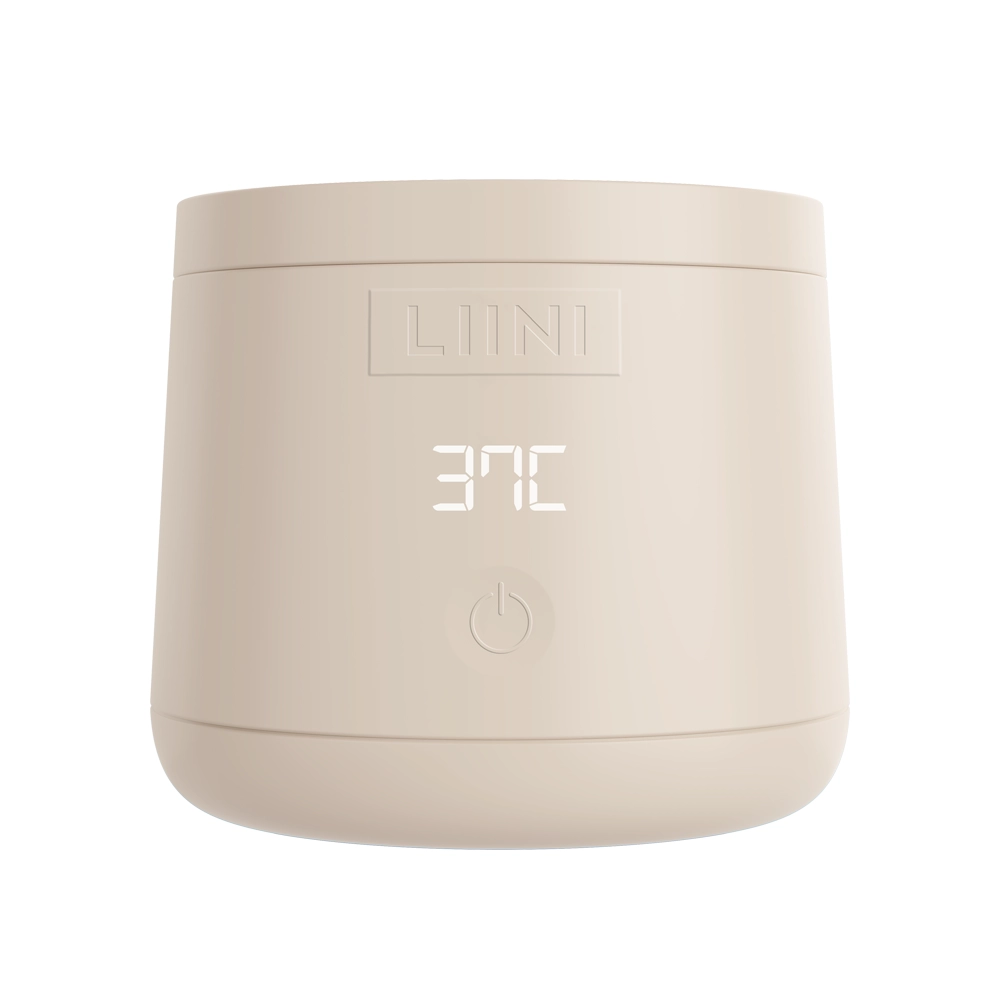
 4.0 PRObattery · on the go
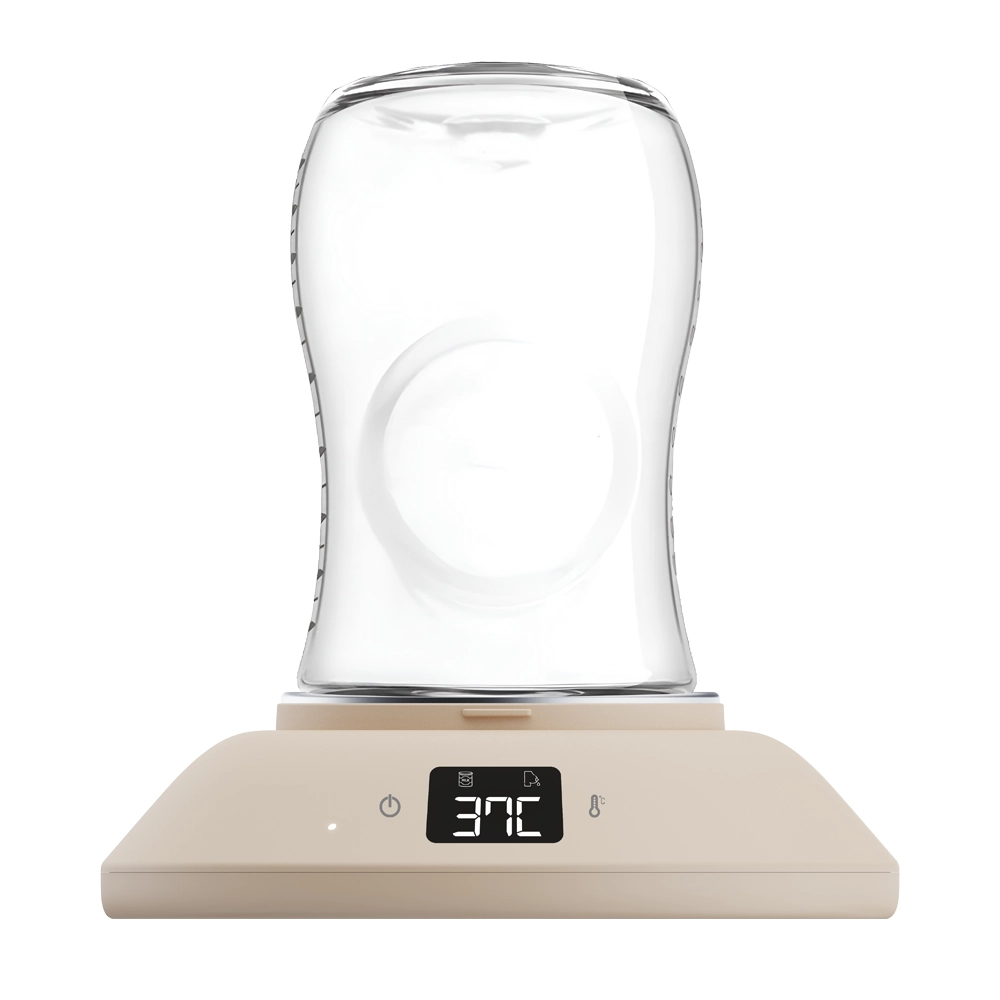 Home 230Vfor home
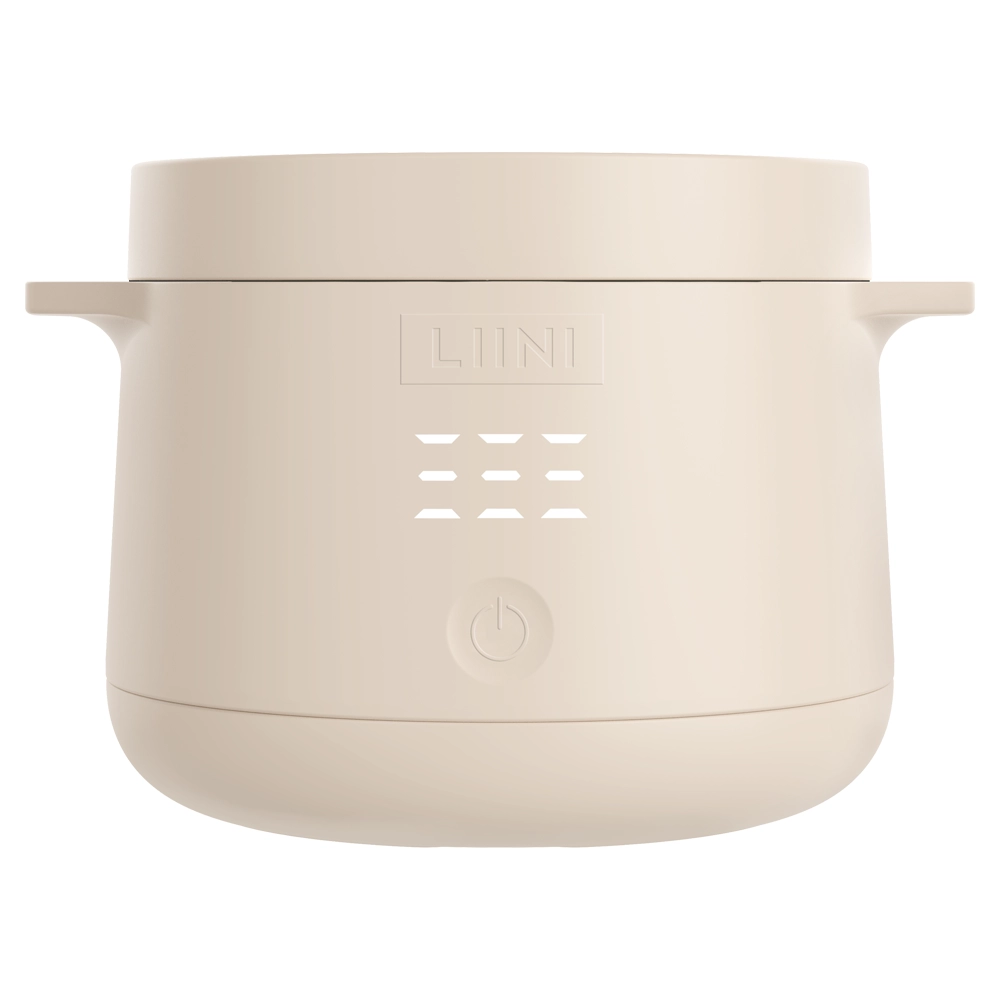 Baby food warmersfrom 6 months
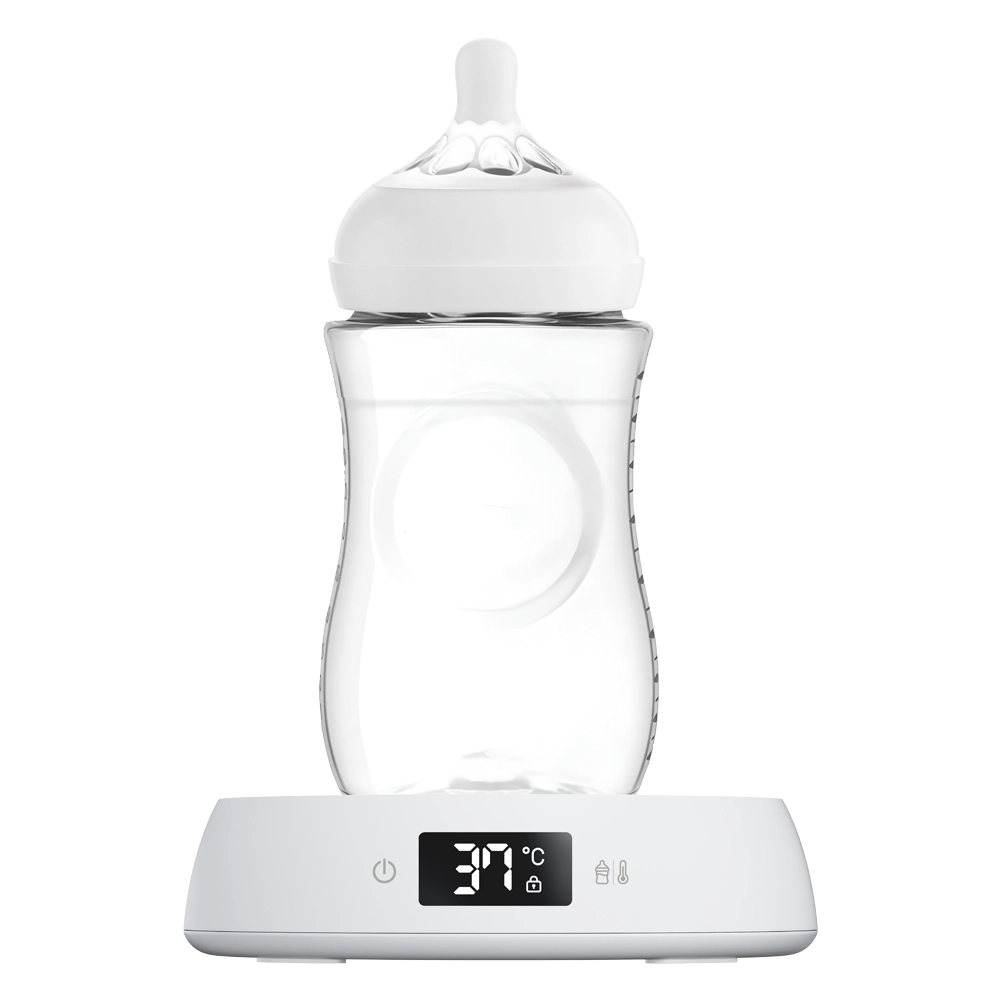 Night Stationfor the night





 Cleaning Wipes Monthly Pack
 Home & 2Go Bundle
 Formula Dispenser Avent
 Baby Bottle Bundle

















Moses basket and baby cradle: from when to when?
From Birth to Rolling Over: How long your baby can stay in a bassinet or cradle, how to tell when it's time for a bigger bed, and what's safe.

Contents
In short
You can use a Moses basket and a baby cradle from birth. A Moses basket—even one on a cradle stand—becomes too small as soon as your baby can roll over, push themselves up on their hands and knees, sit up on their own, or reaches the weight limit. The European standard for carry baskets specifies a maximum weight of 9 kg. According to the German Federal Institute for Public Health, bassinet-style cribs and cradles become too small after six months at the latest—often sooner. Your baby should always lie on their back in these, on a firm mattress, in a sleep sack, and without a pillow or blanket.
A Moses basket is small, lightweight, and cozy. It’s ideal for the first few weeks, but babies grow quickly. Here you’ll learn when to start using a Moses basket or baby cradle and when to stop, how to tell when it’s time to switch to a different sleep arrangement, and how a Moses basket, bassinet, and co-sleeper differ.
When to start using a Moses basket? From day one
A Moses basket or baby cradle is suitable from birth. The German Federal Institute for Public Health (BIÖG) states: “In the first weeks and months of life, a newborn is best cared for in a cradle or bassinet.” The small basket provides support, is lightweight, and can be carried from room to room. This way, you can keep your baby close by during the day, whether you’re in the kitchen, the living room, or entertaining guests.
There are clear recommendations for nighttime sleep. According to the University Children’s Hospital Zurich, the safest place for a baby to sleep is in their own crib in the parents’ bedroom. An alternative is a co-sleeper that attaches to the parents’ bed. The British National Health Service (NHS) and the American Academy of Pediatrics (AAP) recommend sleeping in the same room for at least the first six months. Check the manufacturer’s instructions to see if a Moses basket is intended for nighttime sleep. Read them before using it for the first time.
How long can a Moses basket be used? These 4 signs will tell you
The European standard EN 1466 for baby carriers and their stands specifies who the carriers are intended for: a child who cannot sit up on their own, turn around, or push themselves up on their hands and knees, and who weighs no more than 9 kg. This results in four symbols. The first condition to be met applies.
- Your baby is rolling over. According to BIÖG, babies between three and seven months of age begin to roll over. This is often the first sign.
- Your baby is pushing itself up. If your baby is pushing itself up onto its hands and knees, the bassinet is no longer suitable for your baby according to the standard.
- Your baby sits up on their own. This usually happens later. According to BIÖG, all normally developed children can sit up on their own by about ten months.
- Your baby has reached the weight limit. It’s listed in the instructions and on the product. According to EN 1466, the maximum weight is 9 kg.
These four symbols also apply to baby cradles consisting of a basket on a frame. The EN 1130 standard applies to bassinet-style cradles, wooden cradles, and co-sleeper beds. They are intended for use until a baby can sit up on their own or push themselves up on their hands and knees.
Space is also a factor. Depending on how big your child is and how fast they’re growing, bassinet and cradles will become too small after six months at the latest, according to BIÖG. If your baby’s head or feet are bumping against the sides, it’s also time for a bigger bed.
Caution
Don’t wait until the weight limit is reached. As soon as your baby has rolled over on their own, move them to a crib or co-sleeper, even if they’re still light.
Timeline: Which Sleeping Arrangement Is Right for Which Age
According to BIÖG, children develop their motor skills over a wide range of time. The timeline therefore shows ranges, not fixed dates.
- From birth: bassinet, cradle, baby bassinet, or co-sleeper. Your baby sleeps on their back in a sleep sack.
- About 3 to 7 months: Your baby begins to roll over. A Moses basket, even on a cradle stand, will then become too small.
- By about 6 months at the latest: According to BIÖG, bassinet and cradles are too small. According to the NHS and AAP, you should share a room with your baby at least until this age.
- Around 7 to 10 months: According to BIÖG, most children begin to move around during this time. By about ten months, typically developing children can sit up on their own.
- The Entire First Year: The BIÖG recommends placing the baby’s crib in the parents’ bedroom during the baby’s first year of life.
You can find out what else you’ll need for your baby’s sleeping area in the checklist for essential items.
How to Keep Your Baby Safe in a Moses Basket
The rules for safe baby sleep apply just as much to a Moses basket as they do to a crib.
- Place Your Babyon Their Back According to the Children’s Hospital Zurich, your baby is safest when lying on their back. They can enjoy lying on their stomach when they’re awake.
- Firm, Well-Fitting Mattress The mattress should be firm and fill the bassinet without any gaps. Your baby shouldn’t sink into it.
- No soft items No pillows, no fur, no bed rails. Make sure that stuffed animals or blankets cannot cover their face.
- A sleep sack instead of a blanket According to the Children’s Hospital Zurich, a sleep sack is the safest option.
- Not too warm: The ideal room temperature is 18 °C. Check the back of your baby’s neck to see if they’re too warm. They don’t need a hat to sleep.
- Smoke-Free: Smoke from cigarettes, cigars, and pipes puts your child at risk.
- Place it on a stable surface. Set up the basket as instructed in the user manual—that is, on the included stand or on a firm, level surface. Follow the instructions when carrying it as well.
Good to Know
If your baby has fallen asleep in a stroller, car seat, or baby carrier, the AAP recommends placing them on their back on a firm, flat surface as soon as possible. According to the AAP, a sleeping surface with an incline of more than 10 degrees is not safe for sleeping.
Some parents use a sleep aid to help their baby fall asleep. To learn what to keep in mind regarding volume and distance, read the guide “White Noise for Babies.”
DIN EN 1466 Standard: What to Look for When Buying
EN 1466 is the European safety standard for carrycots and their stands. The current version was published in 2023. According to the testing company SGS, it introduces, among other things, new requirements regarding formaldehyde and dyes, as well as improved product information and warning pictograms. A different standard, EN 1130, applies to bassinet-style cribs, cradles, and co-sleeper beds.
When making a purchase, check the following:
- Standard Specification (EN 1466 for Moses baskets, EN 1130 for bassinet-style cribs and co-sleeper beds)
- Clearly specified weight limit
- Firm mattress that fits snugly without gaps
- Sturdy frame that does not tip over
- Removable, washable cover
- Instruction manual with warnings and information on the intended use of the bassinet
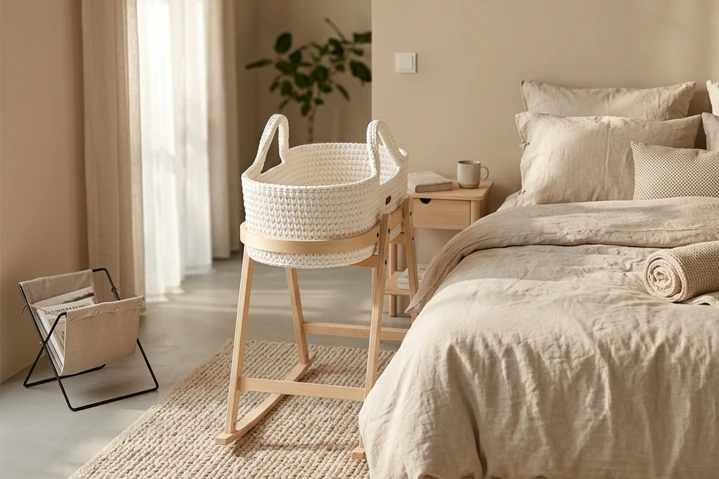
According to the manufacturer, the LIINI® baby cradle complies with DIN EN 1466:2023 and is designed for babies weighing up to 9 kg. According to the product page, the standard requires stability, ventilation, and protection against suffocation, as well as a clearly marked weight capacity. The Moses basket is hand-crocheted from cotton, measures 760 × 390 × 250 mm, and has a muslin mattress cover. The frame, made of poplar and birch, raises the basket to a lying height of 770 mm. Important to know: According to the product page, the bassinet is intended for daytime naps and when out and about, not as a permanent sleeping place for the night. So for nighttime, you’ll also need a crib or co-sleeper. You can find all colors at Baby Cradle & Moses Basket.

Moses basket, bassinet, or co-sleeper?
All three are suitable from birth and are intended only for the first few months. They differ mainly in where and how you use them.
| Criterion | Moses basket | Bassinet or cradle | Co-sleeper |
|---|---|---|---|
| What is it? | A lightweight basket with handles, often with a frame | A small bed on wheels or runners | A crib that attaches to the parents’ bed |
| Standard (Europe) | EN 1466 | EN 1130 | EN 1130 |
| From when? | From birth | From birth | From birth |
| Until when? | Until your baby rolls over, pushes up, or sits up—maximum 9 kg | Until your baby can sit up or push themselves up on their hands and knees; according to BIÖG, it will be too small after about 6 months at the latest | Until your baby can sit up or get up on hands and knees; convertible depending on the model |
| Strengths | Lightweight; easy to move from room to room | Sturdy, can be moved around the home | Baby is right nearby; short distances at night |
| Limitations | Short period of use; not every bassinet is designed for overnight use | Short period of use; takes up space | Takes up space next to the bed; must be securely mounted according to instructions |
| Suitable for | naps, visitors, small apartments | Day and night in the same room | Overnight sleep in the parents’ room |
A bassinet or a co-sleeper? If you often breastfeed or bottle-feed at night, a co-sleeper is convenient: Your baby sleeps in their own bed but is still right next to you. According to the Children’s Hospital Zurich, these co-sleepers are an alternative to having a separate crib in the parents’ bedroom. A bassinet offers more flexibility if you want to keep your baby with you in different rooms during the day. A Moses basket is the lightest solution for daytime use. Whether it’s a basket, a stroller, or a co-sleeper: Once your baby can sit up on their own or push themselves up on their hands and knees, they’ll need a bigger bed. With a Moses basket, it’s time for a change as soon as they start rolling over.
Frequently Asked Questions
When can my baby start sleeping in a Moses basket?
From birth. According to the BIÖG, a newborn is best placed in a cradle or bassinet during the first few weeks and months. Make sure the baby is placed on their back on a firm mattress and is wearing a sleep sack.
Until when can my baby sleep in a Moses basket?
Until they can roll over, push themselves up on their hands and knees, sit up on their own, or reach the weight limit. The EN 1466 standard applies to babies weighing up to 9 kg. According to the BIÖG, many babies begin rolling over between three and seven months of age. Then it’s time for a bigger bed.
How long can you use a baby cradle?
Depending on your baby’s size and growth, bassinet-style cribs and cradles will become too small after six months at the latest, according to BIÖG. If the cradle consists of a basket on a frame, it’s time to stop using it as soon as your baby starts rolling over. The manufacturer’s instructions are also decisive.
Can my baby sleep in a Moses basket at night?
That depends on the model. If the instruction manual states that the basket is intended for nighttime sleep, the same rules apply as for a crib. According to the product page, the LIINI® baby cradle is intended for daytime naps and when you’re on the go, not as a permanent sleeping place for the night.
Bassinet or co-sleeper: which is better?
A co-sleeper is convenient for nighttime because your baby sleeps in their own bed right next to you. A bassinet is more flexible if you want to move it around the house during the day. Both are intended only for the first few months, unless the co-sleeper can be converted.
Does my baby need a pillow in the bassinet?
No. According to the Children’s Hospital Zurich, you should avoid using pillows and fur blankets. Your baby should lie flat on a firm mattress and sleep in a sleep sack.
Sources
- Information for Parents: Safe and Healthy Sleep, University Children’s Hospital Zurich
- The Baby’s Sleep Environment, kindergesundheit-info.de, Federal Institute for Public Health (BIÖG)
- From Kicking to Walking, kindergesundheit-info.de, Federal Institute for Public Health (BIÖG)
- EN 1466:2023 – Child care articles – Carry cots and stands for domestic use, CEN (Standard Preview, iTeh Standards)
- Revision to EU Carry Cot and Stand Safety Standard EN 1466 Published, SGS
- EN 1130:2019 – Children’s furniture – Cribs, CEN (Standard Preview iTeh Standards)
- Sudden Infant Death Syndrome (SIDS), NHS
- How to Keep Your Sleeping Baby Safe: AAP Policy Explained, HealthyChildren.org, American Academy of Pediatrics (AAP)