
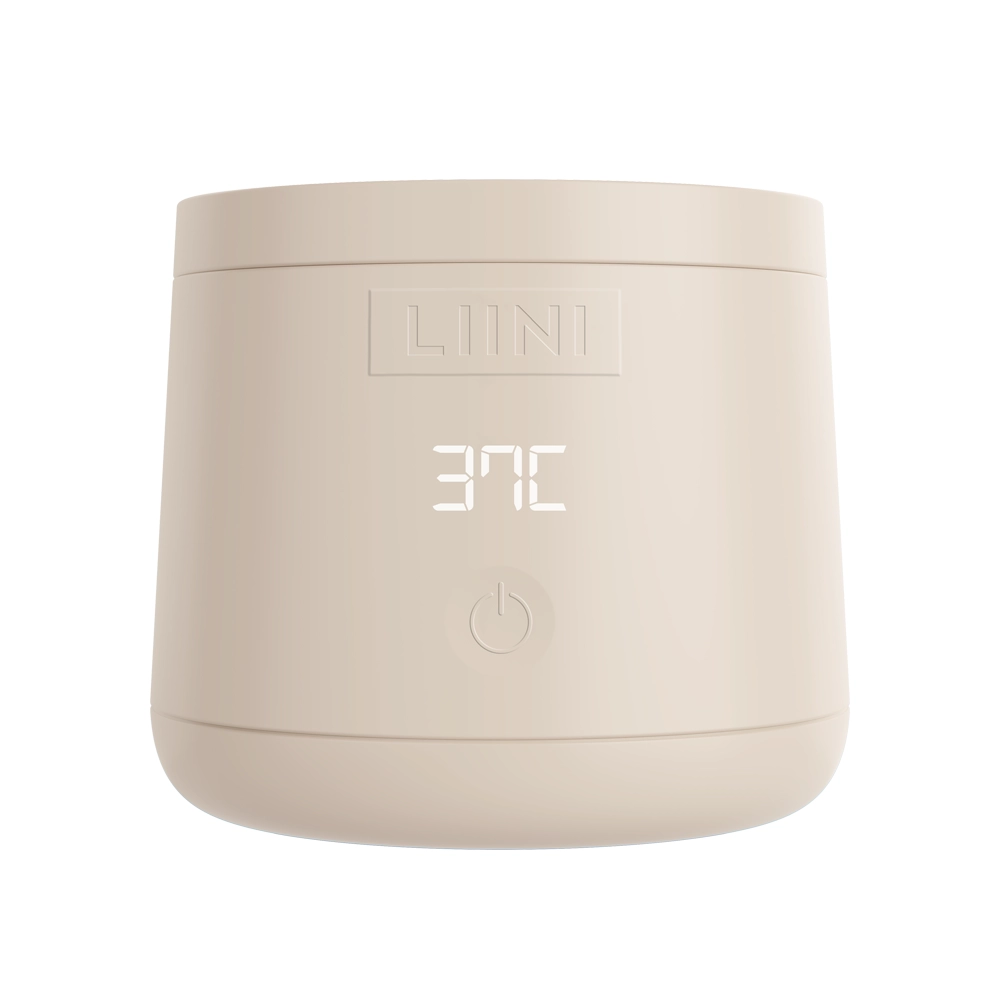
 4.0 PRObattery · on the go
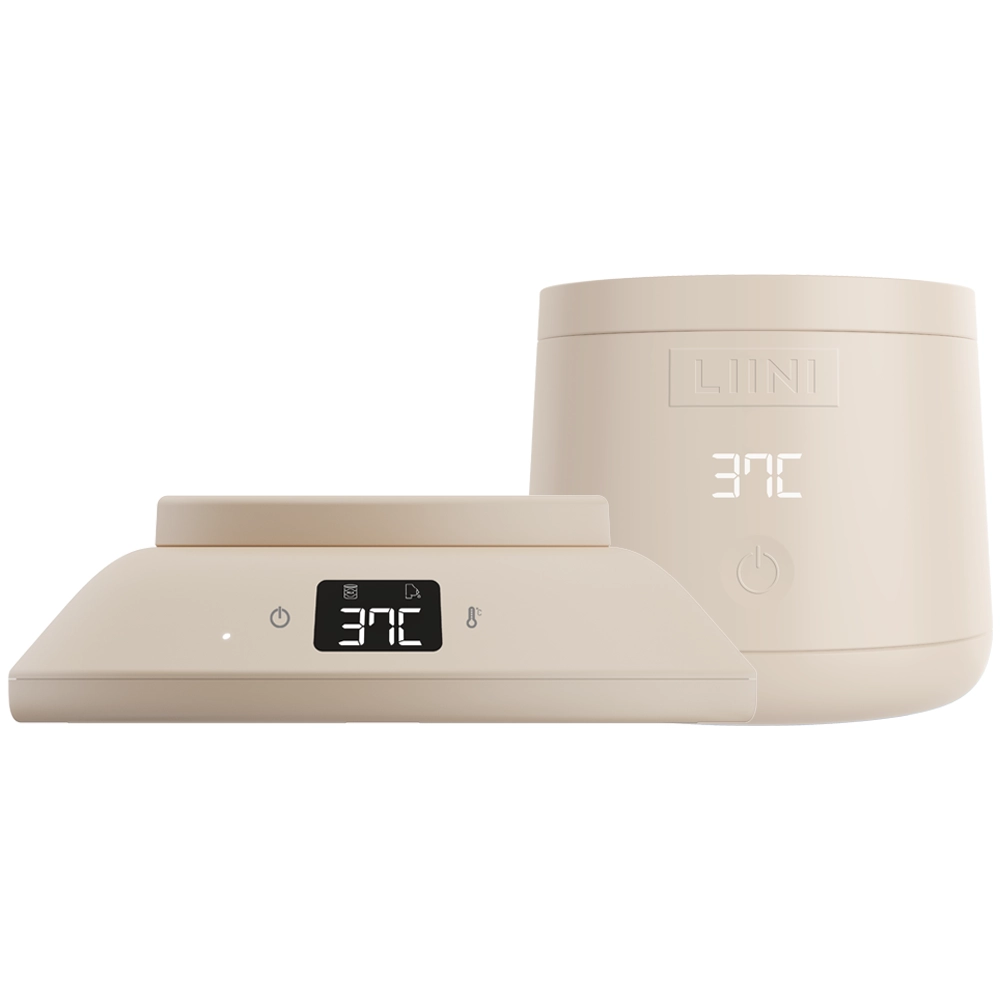
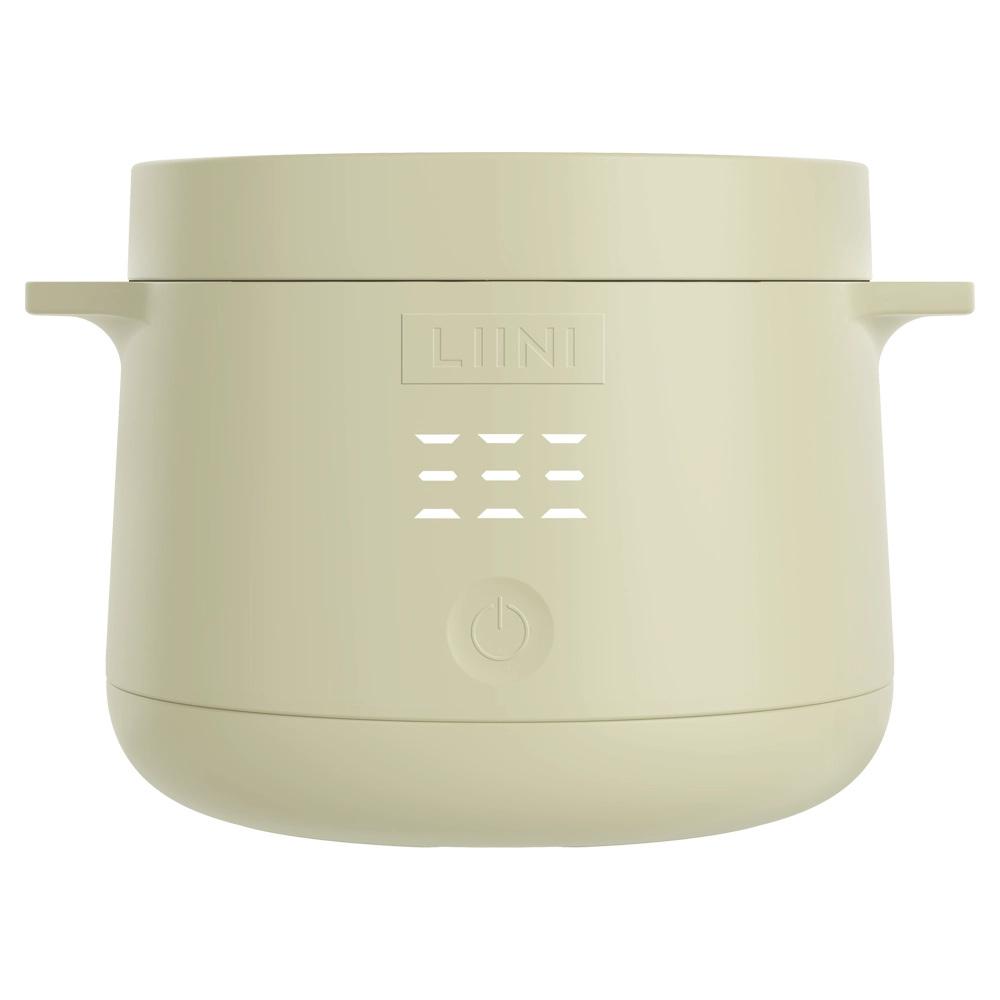
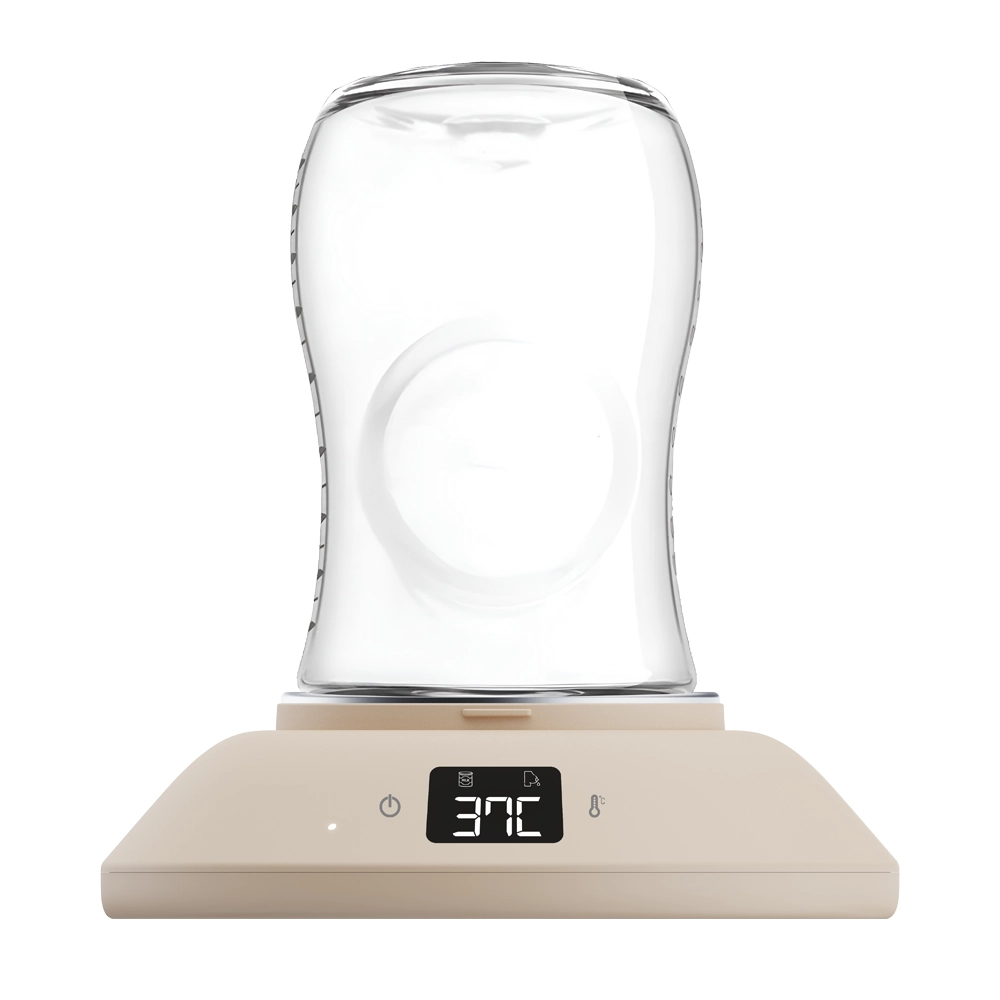 Home 230Vfor home
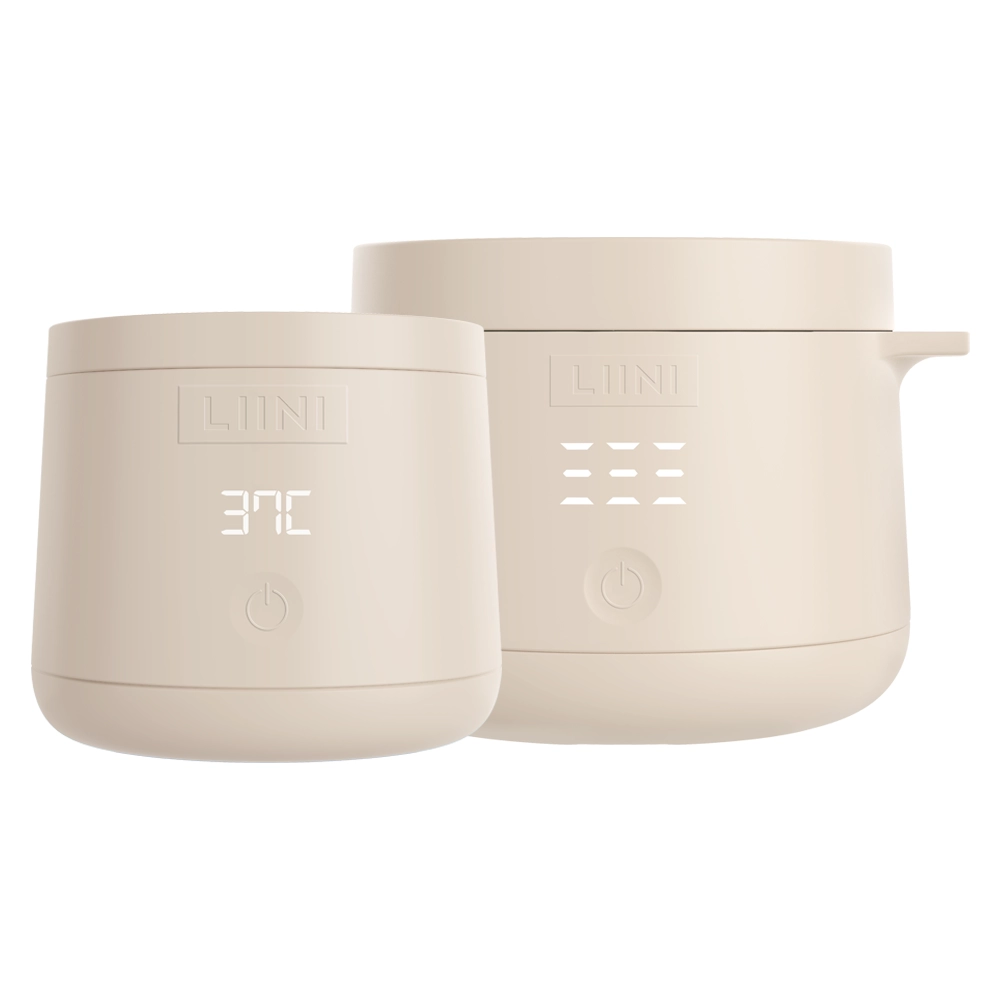
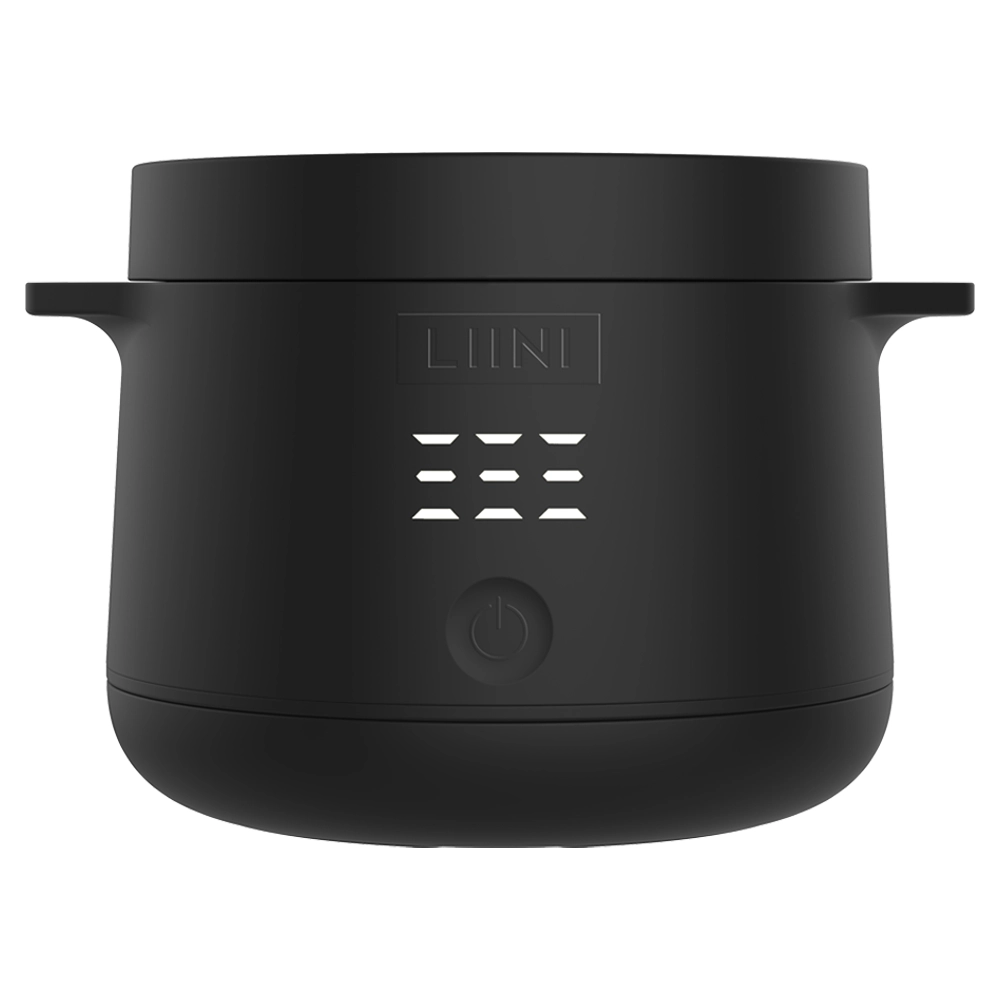
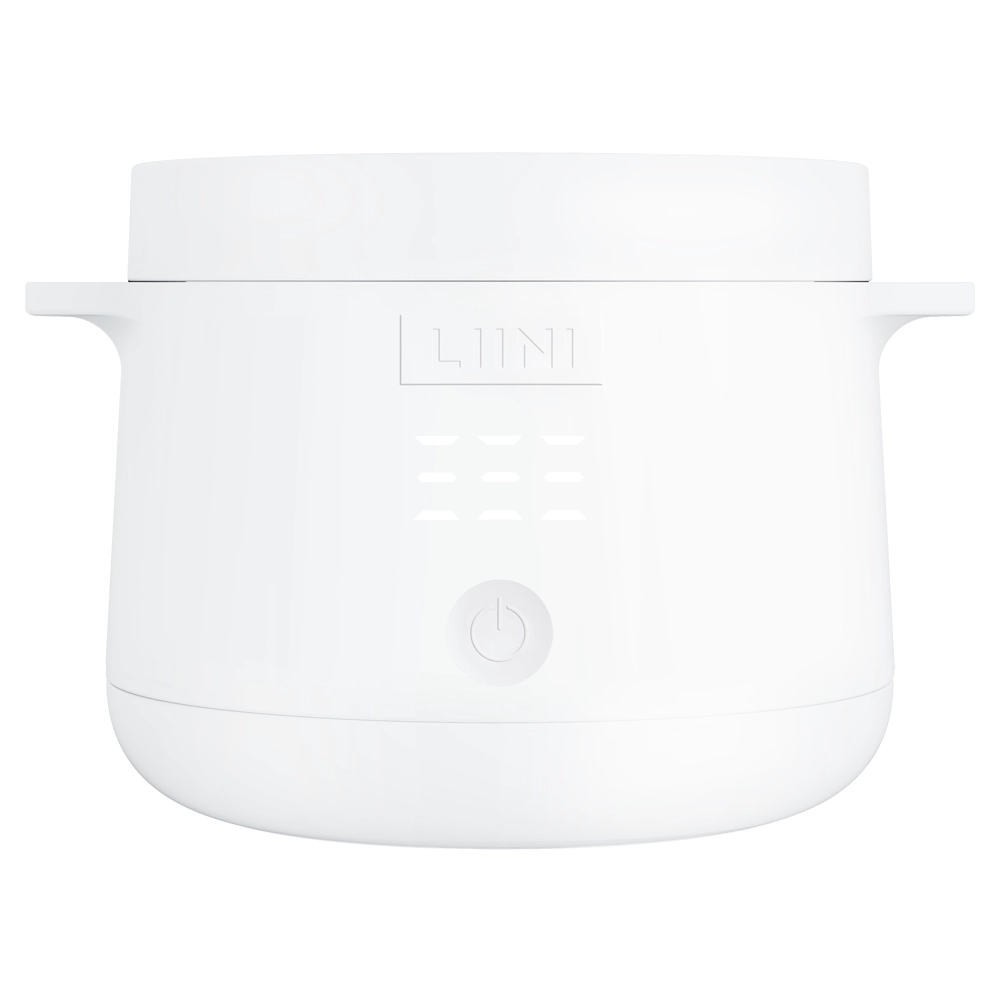
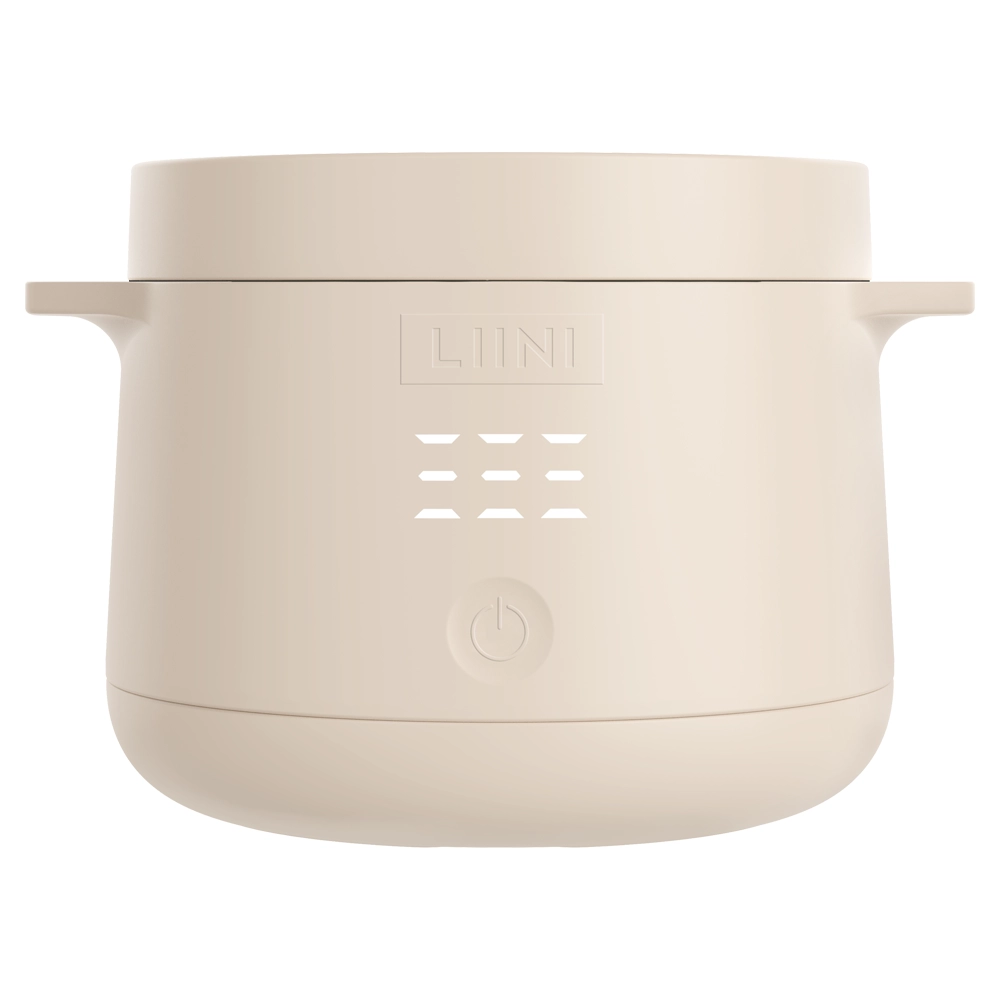 Baby food warmersfrom 6 months
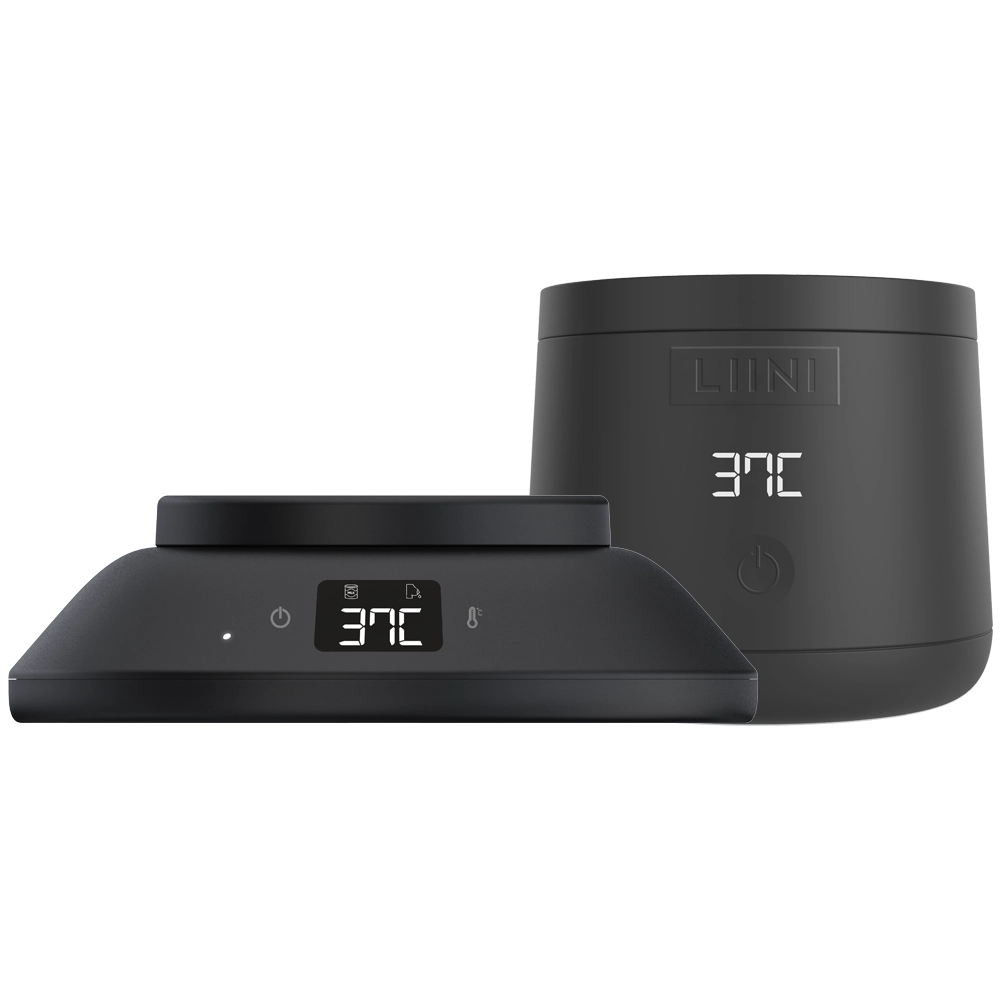
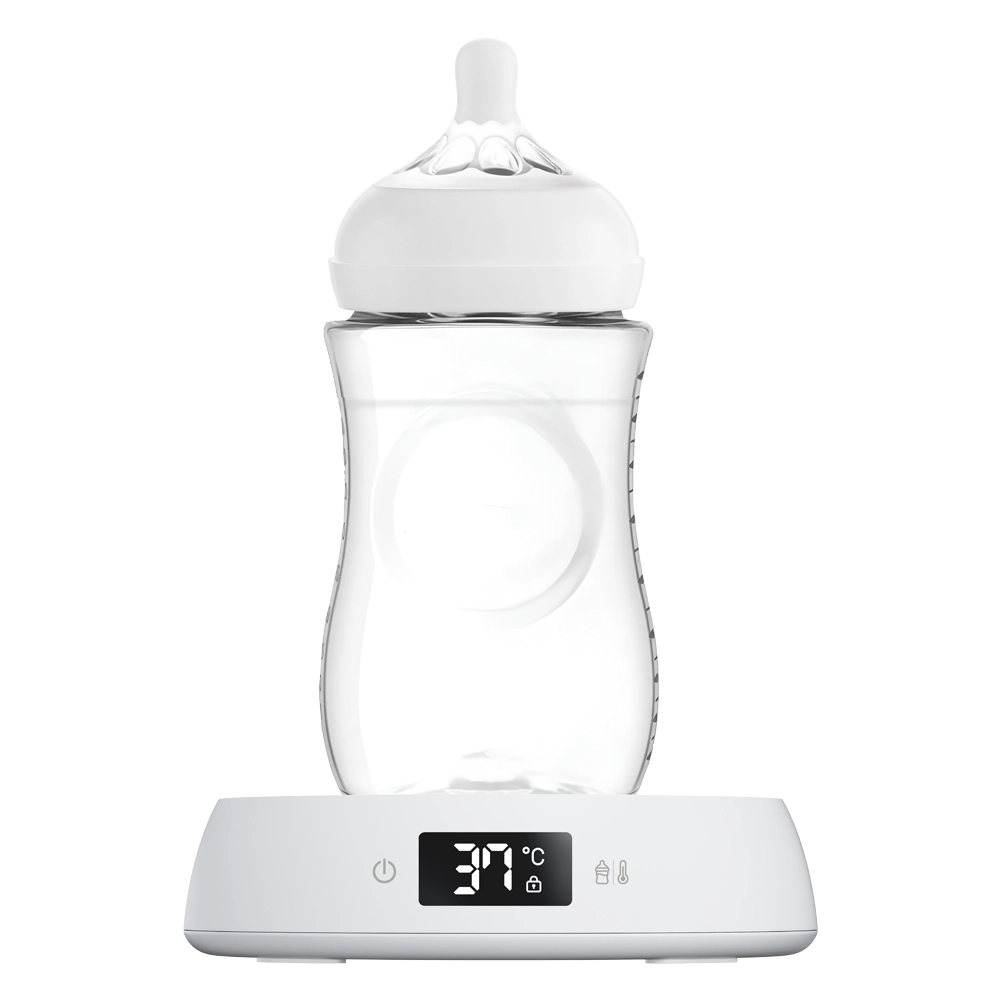 Night Stationfor the night




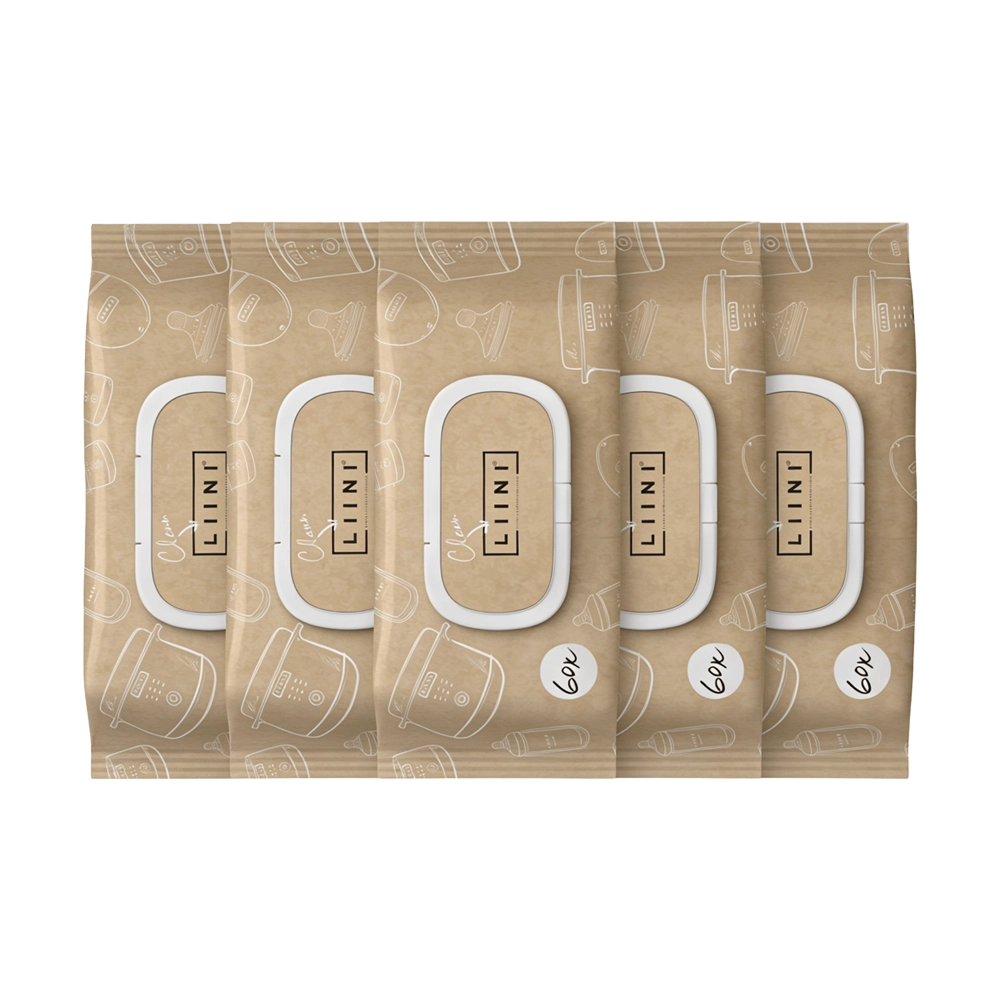 Cleaning Wipes Monthly Pack
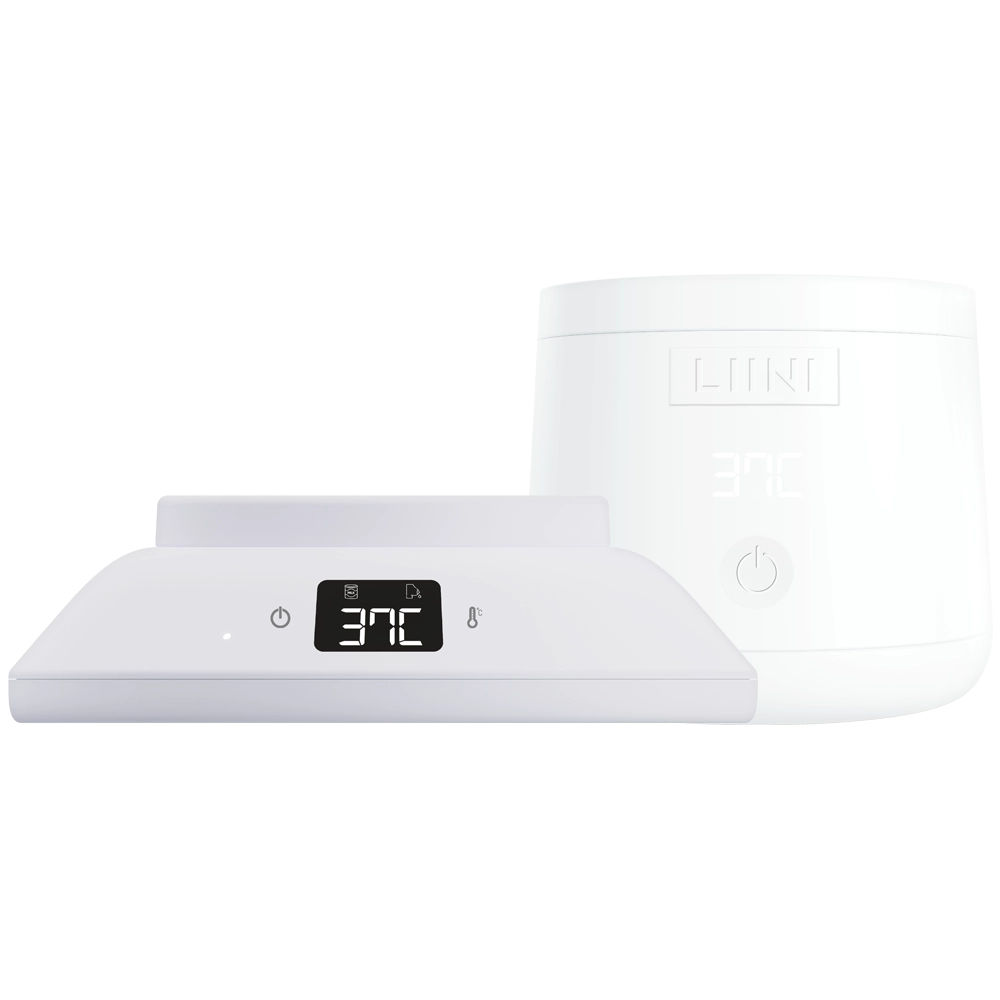 Home & 2Go Bundle
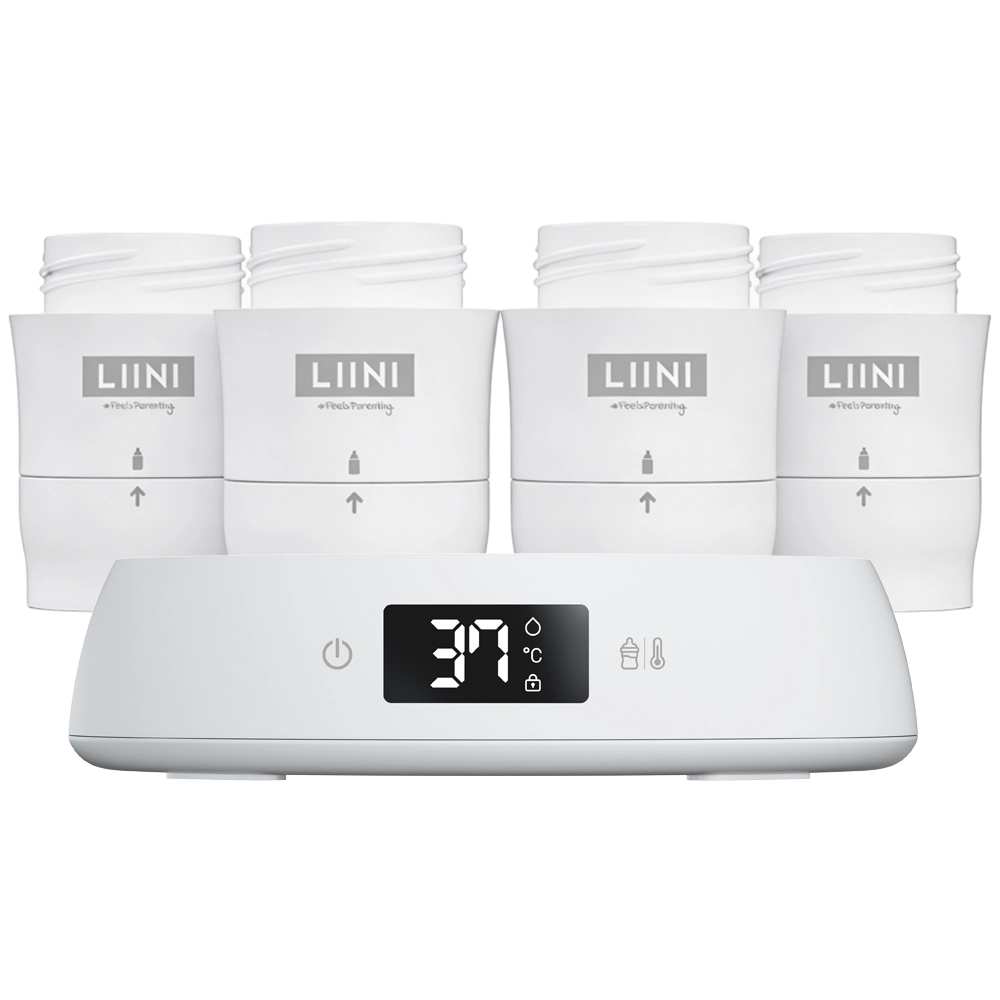 Formula Dispenser Avent
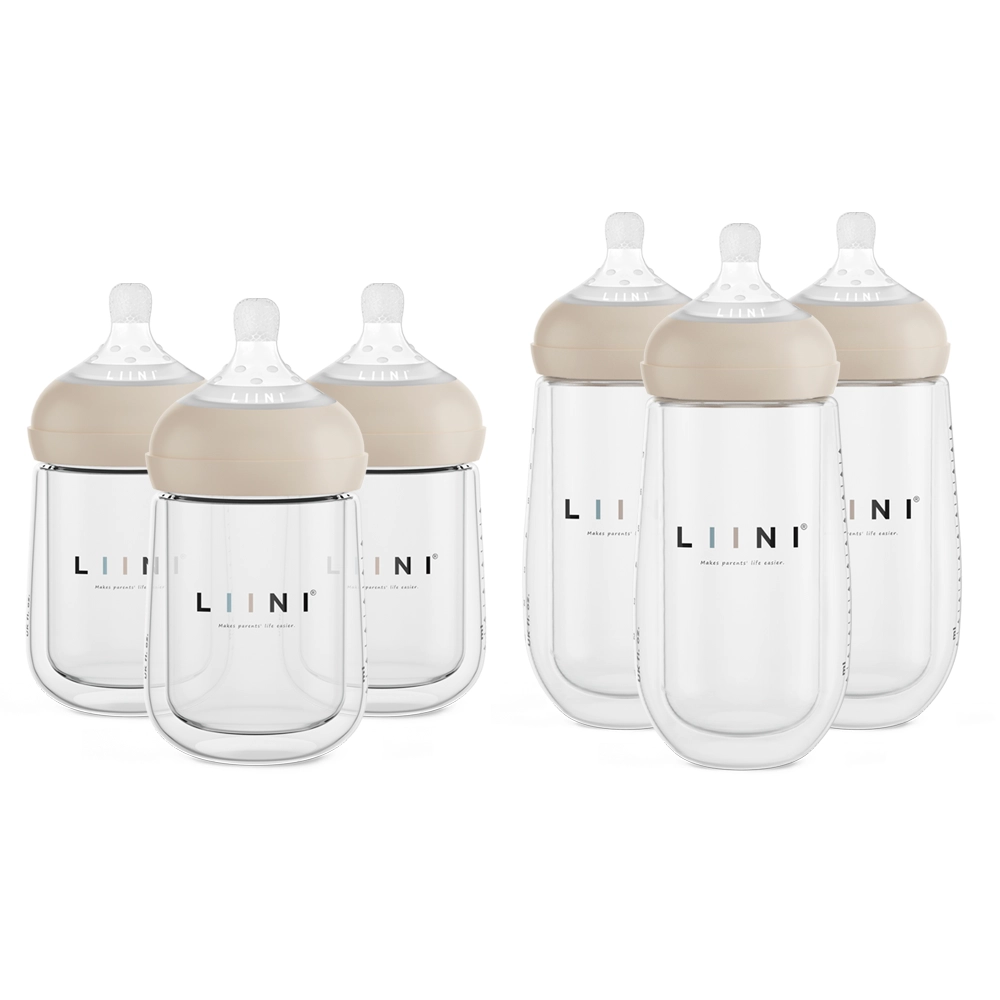 Baby Bottle Bundle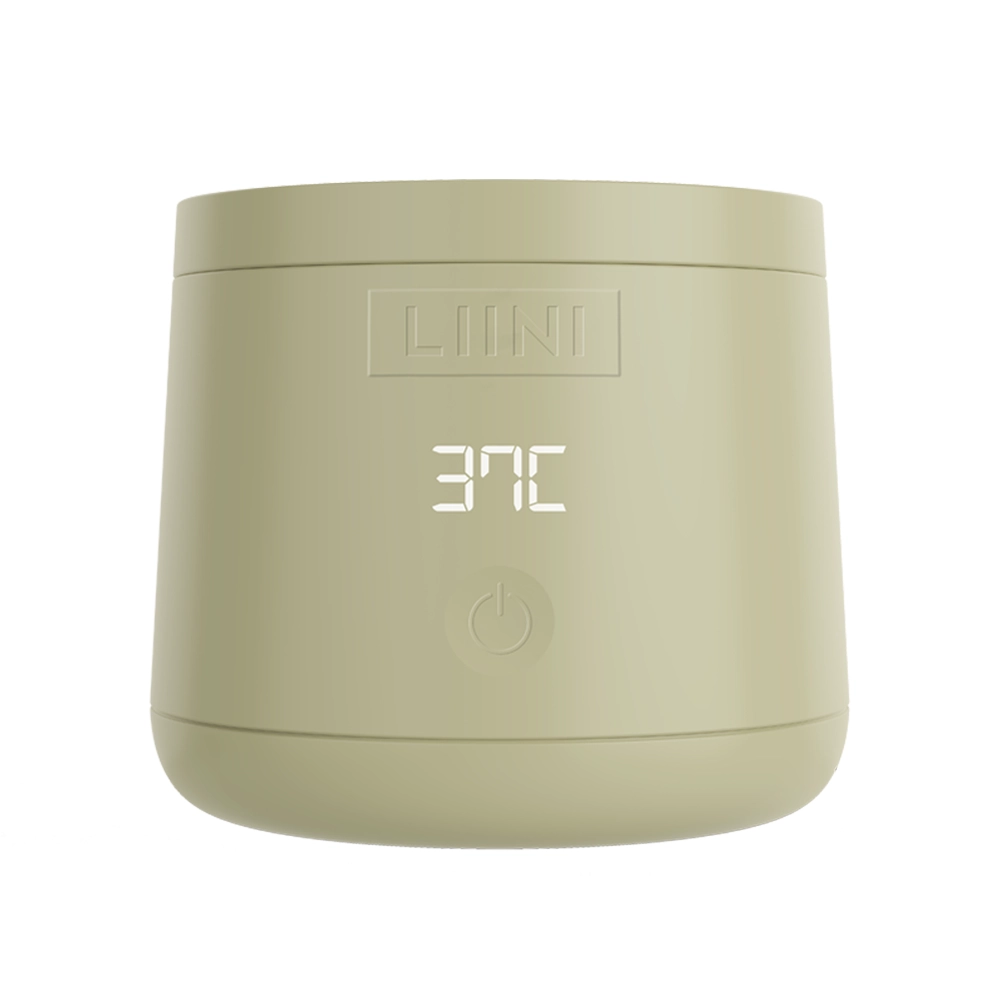










Traveling with a Baby: Packing List, Flying, and Tips
A checklist to work through, rules for bringing baby food in your carry-on, tips for flying, driving, and dealing with the heat: Here’s how to make your first vacation with your baby a success.

Contents
In short
Traveling with a baby goes smoothly if you plan ahead. Your baby needs his or her own passport or ID card, and it’s best to talk to your pediatrician before the first flight. You may carry milk and baby food in your carry-on luggage in the amount you need for the trip, and you must present them separately at the security checkpoint. During takeoff and landing, breastfeeding, a bottle, or a pacifier can help equalize pressure. And during their first year of life, your baby shouldn’t be exposed to direct sunlight.
Whether it’s the beach or the mountains: With a little planning, traveling with a baby is more relaxing than many people think. Here you’ll find a check-off packing list for a vacation with a baby, the rules for carrying baby food in your carry-on luggage, tips for flying with a baby and for long car rides, as well as the most important information about the sun and heat.
When is the right time to travel with a baby?
There is no set minimum age. According to the American Academy of Pediatrics (AAP), flying is generally safe for infants starting at 7 days of age. However, it’s best to wait until the baby is 2 to 3 months old. One reason: A newborn is more likely to catch an infection at the airport and on the plane. The German Professional Association of Pediatricians also advises against flying during the first few weeks of life, except in exceptional cases. On SWISS flights, infants under 7 days old must have a doctor’s note certifying that they are fit to travel.
Talk to your pediatrician before the trip, especially if your child was born prematurely or has a chronic medical condition.
For the first vacation, short travel times and a mild climate are ideal. A vacation rental with a kitchen makes it easier to prepare bottles and baby food. It’s best to reserve a crib when you make your reservation.
Packing List for Your Baby on Vacation
First, pack the items you won’t be able to buy while you’re traveling: ID, medication, and anything your baby is used to. Diapers and wet wipes are available almost everywhere.
Documents
In Switzerland, you can apply for a passport or an ID card for your child starting on the day of birth. You can’t have it entered on your ID card. Your baby usually has to go to the passport office in person for the appointment, because that’s where the photo will be taken. Production then takes up to 10 business days, plus shipping time. In Germany, children’s passports have not been issued since 2024; children need either a passport or an ID card. In Austria, every child needs their own passport.
- Passport or ID card for the baby, valid for the destination country
- Health Insurance Card for the Baby
- Vaccination Record (Vaccination Booklet)
- Printout of the IATA confirmation if you’re bringing a battery-powered bottle warmer
Health
- Travel first-aid kit, as advised by a pediatrician or pharmacist
- Clinical Thermometer
- Saline Nasal Drops
- A sun hat and light, long-sleeved clothing
- A sunshade or sun canopy for a stroller
- Mosquito net for beds and strollers
- Wound and Diaper Rash Cream
Feeding
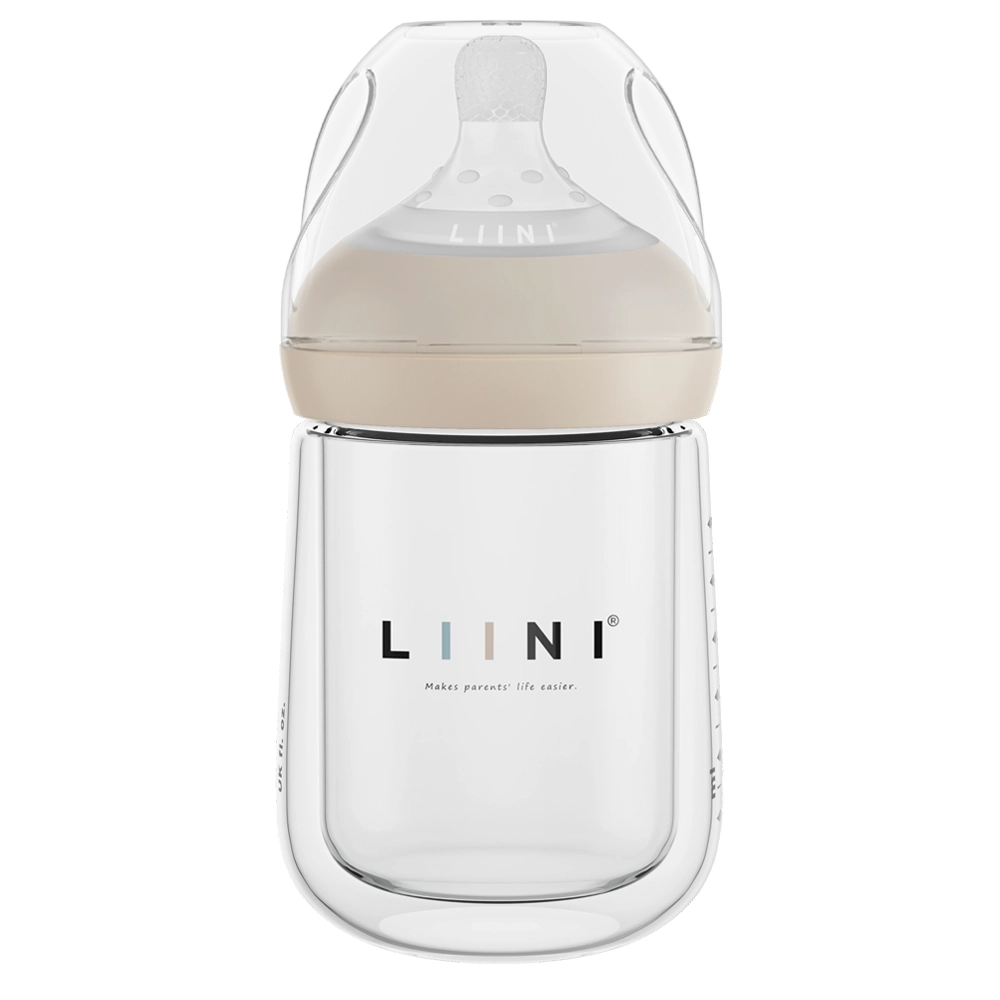
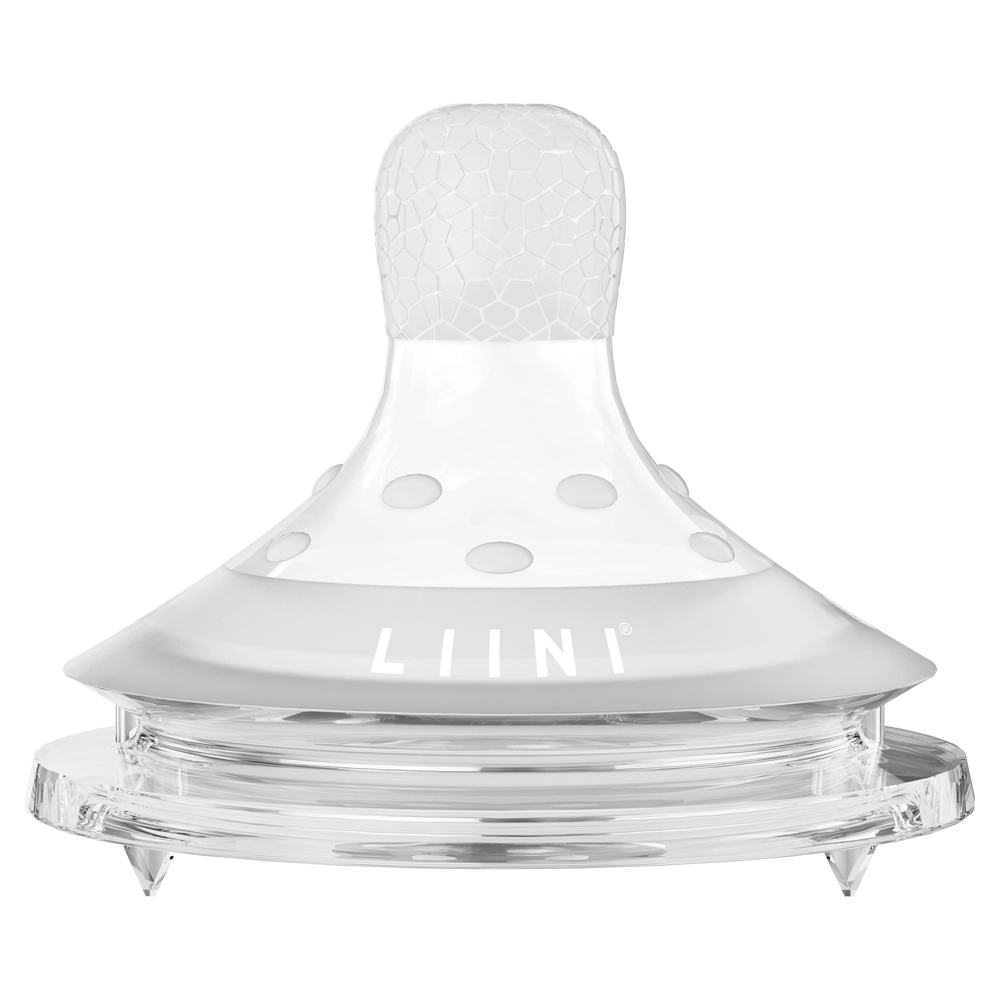
- Baby Bottles and Nipples
- Powdered milk, packaged in individual servings
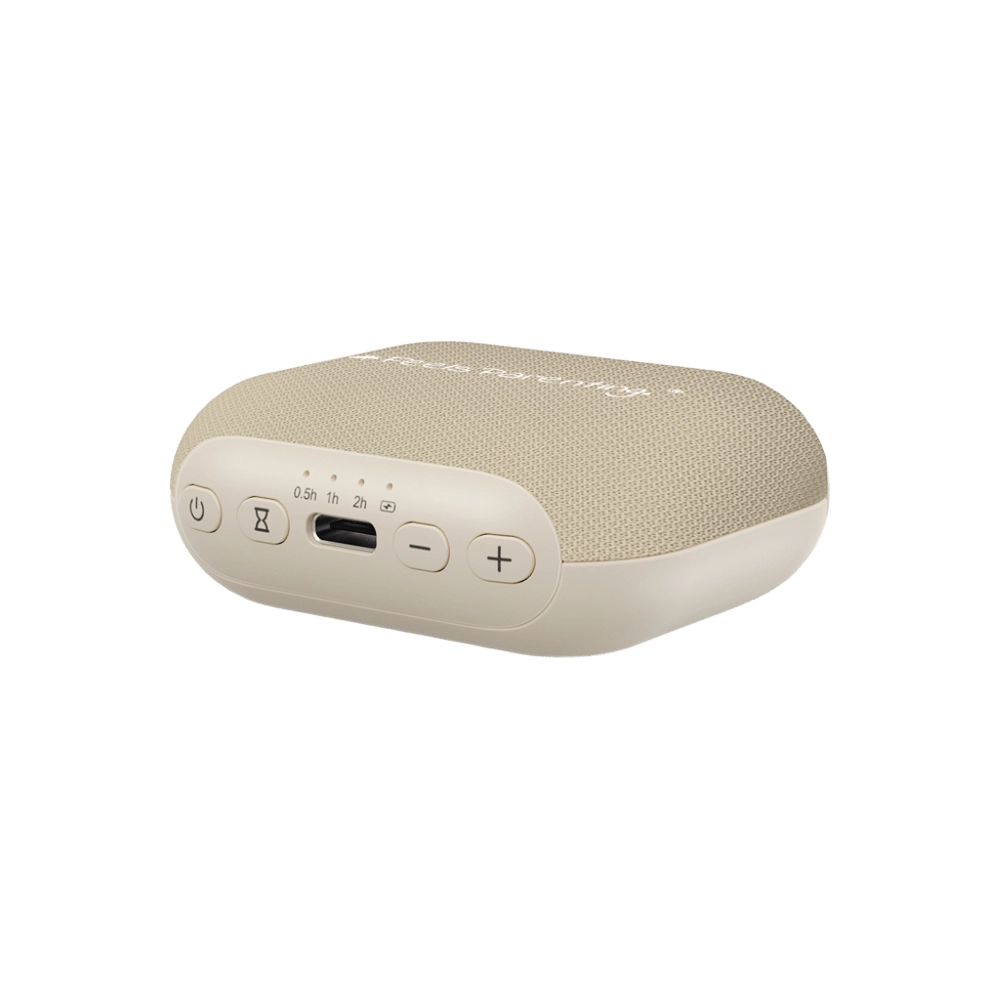
- Bottle warmer for on the go, with charging cable and adapter
- Nursing Shawl and Burp Cloths (Nuscheli)
- Bibs, spoons, and baby food jars—for when your baby is already eating pureed food
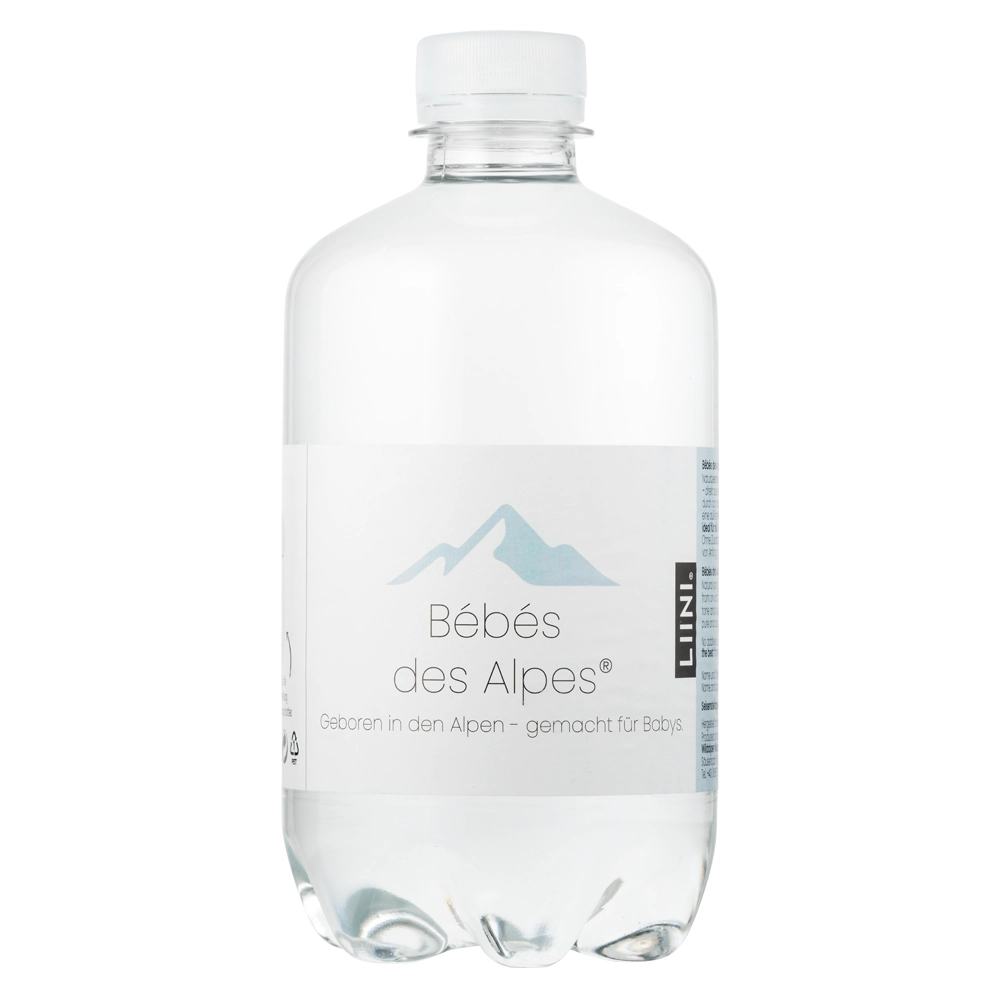
- Bottle brush and cleaning wipes for baby products
Sleeping
- Sleeping bag suitable for the temperature at your vacation destination
- Travel crib, in case the lodging doesn’t have one
- Favorite comfort blanket and pacifier
- Baby monitor
Travel and Clothing
- A baby carrier and a foldable stroller
- Diaper bag with diapers, wet wipes, and a changing pad
- A change of clothes for your baby and a shirt for you in your carry-on luggage
- Bodysuits, pajamas, and a little jacket for cool evenings
- Swim diapers and swimsuits
- A small tube of laundry detergent for hand washing
- Favorite Toy and Teething Ring
The diaper bag checklist shows you what to pack for the day. To find out how your baby can get baby food while on vacation, read ” Heating Up Baby Food on the Go.”
Flying with a Baby: Carry-On Luggage, Ear Pressure Equalization, and the Gate
Baby Food in Carry-On Luggage: Here’s What You Need to Know
In the EU, the following rule applies: Liquids in carry-on luggage must be in containers of no more than 100 ml and placed in a transparent bag with a maximum capacity of 1 liter. Baby food and medications are exempt from this rule. According to SWISS, parents are allowed to bring milk and liquid baby food outside the bag and in larger quantities—as much as they need for the duration of the flight. At the security checkpoint, you’ll need to present them separately.
New rules have been in effect at Zurich Airport since June 26, 2026: Passengers beginning their journey in Zurich may carry liquids in containers of up to 2 liters in their carry-on luggage, without a bag. The 100-ml rule still applies to passengers transferring flights, and other airports may have stricter rules. So don’t forget about the return flight.
Attention
Thermoses and other double-walled containers must be empty when passing through security in Zurich. You can get hot water for the baby bottle afterward: According to Zurich Airport, the Family Service refills thermoses with boiled water for free, and many restaurants also provide hot water.
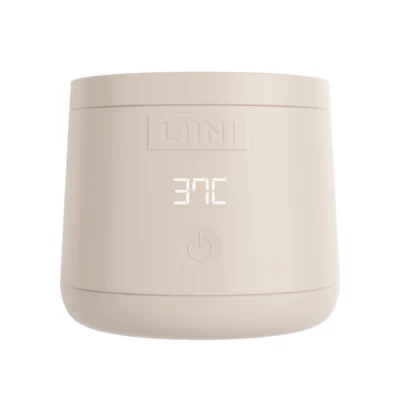
Powdered milk is not a liquid. Fill it up in portions, and then all you’ll have to do on the plane is add water. According to LIINI, you may carry the LIINI® 4.0 PRO bottle warmer in your carry-on luggage on all flights. Print out the IATA confirmation provided by LIINI. Power banks and spare batteries may only be carried in carry-on luggage; at Zurich Airport, a maximum of two power banks, each with a capacity of up to 100 Wh, are permitted. Starting in January 2026, power banks will no longer be allowed to charge other devices on board SWISS flights. So be sure to fill the bottle warmer before departure.
Pressure Equalization During Takeoff and Landing
As the aircraft climbs and descends, the air pressure in the cabin changes. Many babies feel this in their ears. Sucking and swallowing help equalize pressure. So, during takeoff and landing, hold your baby close and give him or her a bottle or a pacifier. This is the recommendation of the AAP and the Professional Association of Pediatricians. The descent often begins long before touchdown. Ask the crew when it’s time.
Offer your baby the breast or a bottle regularly during the flight. If your baby has a bad cold or has recently had an ear infection, check with your pediatrician before the flight to see if it’s okay for your baby to fly.
Seating, strollers, and baby carriers at the gate
On SWISS flights, infants up to their second birthday must sit on an adult’s lap secured with a special infant safety belt. If you book your own seat, you may bring a child safety seat certified for air travel. According to AAP, this is the safest solution.
You’ll need to check in a large stroller. At most airports, you can keep a foldable stroller or baby carrier with you until just before boarding. After landing, you’ll get both back right away. With a baby carrier, you’ll have your hands free at the airport. During takeoff and landing, however, your baby will be strapped into a seat on your lap.
Going on Vacation by Car
In Switzerland, children must ride in an appropriate child safety seat until they are 12 years old or 150 cm tall, whichever comes first. The bfu recommends always installing the infant car seat facing backward, preferably in the back seat. If she is sitting in the front seat, the passenger-side airbag must be turned off. An approved car seat bears the orange ECE R44/03, R44/04, or R129 certification label. If you’re renting a car, it’s best to bring your own car seat.
Babies shouldn’t sit in their car seats for hours on end. The British charity Lullaby Trust recommends taking regular breaks on long trips, during which you should take your baby out of the car seat and let them stretch their legs. It’s best to avoid long car rides with newborns and premature babies. When you reach your destination, lay your baby down to sleep on a flat, firm surface—not in the car seat. If you’re sitting alone in the front seat, a mirror will help you keep an eye on your baby.
Tip
Set out when your baby usually sleeps, and plan your breaks so you can breastfeed or give a bottle in peace.
Sun and Heat: How to Protect Your Baby
According to the German Federal Institute for Public Health, a child should not be exposed to direct sunlight at all during the first twelve months of life. The Swiss Cancer League also advises keeping babies out of direct sunlight and spending the midday hours indoors or in the shade. Avoid using sunscreen during your baby’s first year of life if possible. The best protection from the sun is shade.
- Clothing: lightweight, light-colored cotton and a hat that also protects the back of the neck.
- Time of Day: During periods of extreme heat, stay in cool places as much as possible between 10 a.m. and 5 p.m.
- Drinking: Feed breastfed babies more often when it’s hot, and offer bottles more frequently to bottle-fed babies.
- Stroller: Do not cover it with a dry cloth. Heat builds up underneath, and it gets hotter than it is outside. Use the awning or a beach umbrella.
- Signs of overheating: heavy sweating, a flushed face, or dry lips. Then take your baby to a cool, shady place right away. If your child seems lethargic or isn’t drinking well, call the pediatrician.
Attention
Never leave your child alone in the car, not even for a few minutes. The car heats up very quickly in the sun. This is a life-threatening situation.
Frequently Asked Questions
At what age can a baby fly?
According to the American Academy of Pediatrics (AAP), flying is generally safe starting at 7 days of age, but it is best to wait until the baby is 2 to 3 months old. Talk to your pediatrician before your child’s first flight.
Does my baby need his or her own passport?
Yes. In Switzerland, Germany, and Austria, every child needs their own identification document, even a newborn. Apply for it early: In Switzerland and Austria, your baby must be present in person for the appointment, and it takes a few days to process.
How much baby food can I bring in my carry-on luggage?
As much as you’ll need for the duration of the flight. Milk and liquid baby food are exempt from the 100-ml rule and do not need to be placed in the bag. Present them separately at the security checkpoint.
What can I do to help my baby with earaches when flying?
Sucking and swallowing help equalize pressure. Calm your baby during takeoff and landing; give him a bottle or a pacifier. If your child has a cold or has had an ear infection, ask the pediatrician before the flight.
Does my baby need his or her own seat on the plane?
No, babies under 2 years of age may fly on a parent’s lap using a special infant safety harness. According to the AAP, however, the safest option is a separate seat with a child safety seat certified for air travel.
Can I bring powdered milk back to Switzerland from my vacation?
You may bring food from the EU for your own personal use; customs regulations apply. For products from other countries, the BLV allows up to 2 kg of infant formula per person, provided it is an unopened brand-name product that can be stored at room temperature. You can also bring a partially used package of something you need right now.
Sources
- Order a Passport or ID Card, ch.ch (Federal Government and Cantons)
- Apply for a passport with or without an ID card, Canton of Zurich
- Passports and ID Cards, Federal Foreign Office
- Passports for Minors, City of Vienna
- Flying With a Baby: FAQs and Tips for Parents, American Academy of Pediatrics (HealthyChildren.org)
- Pediatricians advise against air travel with newborns, Deutsches Ärzteblatt
- General Information: Traveling with Children, SWISS
- Traveling with Children at the Airport, SWISS
- Frequently Asked Questions: Traveling with Children, SWISS
- SWISS Introduces New Rules for Power Banks on Board, SWISS Newsroom
- Baggage Restrictions, Your Europe, European Union
- Security check, Zurich Airport
- Zurich Airport: Liquid limit to be increased for local passengers starting Friday, Zurich Airport
- What is allowed in your luggage, Zurich Airport
- Scanners at Zurich Airport Reach Their Limits When It Comes to Thermos Flasks, watson.ch (with a statement from Zurich Airport)
- Food in Private Travel, Federal Office for Food Safety and Veterinary Affairs (BLV)
- Child Car Seat: Securing Children Properly in the Car, BFU (German Accident Prevention Advisory Center)
- Car Seats, The Lullaby Trust
- Protecting Children from the Sun, kindergesundheit-info.de, Federal Institute for Public Health
- Protecting Children in Hot Weather, kindergesundheit-info.de, Federal Institute for Public Health
- Sun Protection for Children, Swiss Cancer League
- Sun Protection: Is It a Good Idea to Use a Cover on a Stroller?, Bavarian State Ministry of Family, Labor, and Social Affairs