
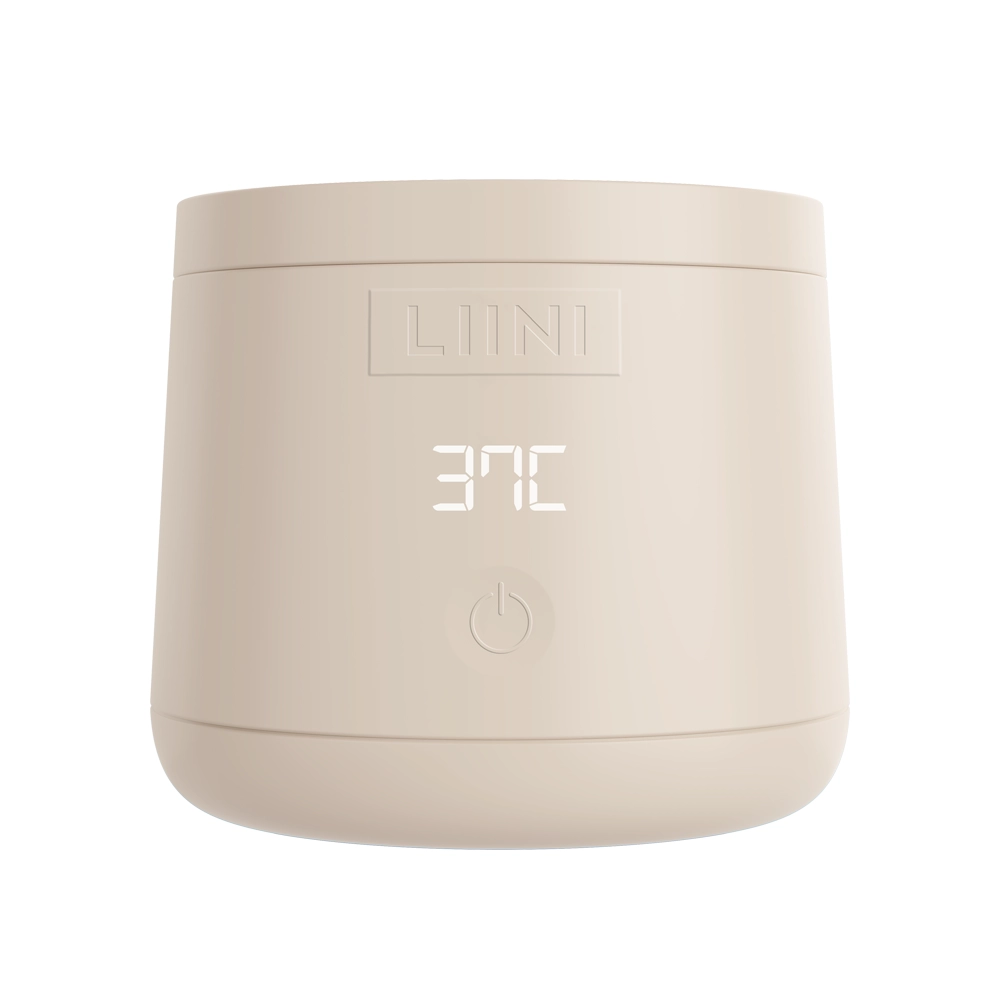
 4.0 PRObattery · on the go
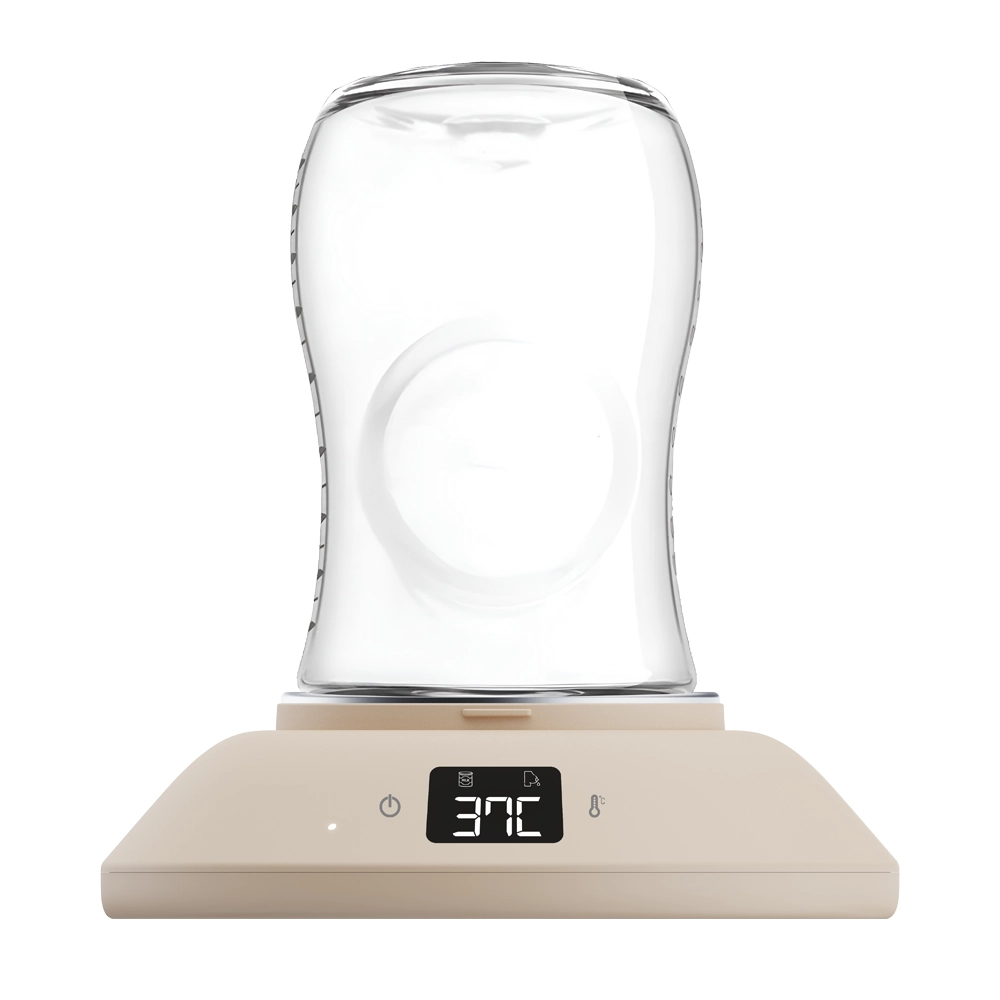 Home 230Vfor home
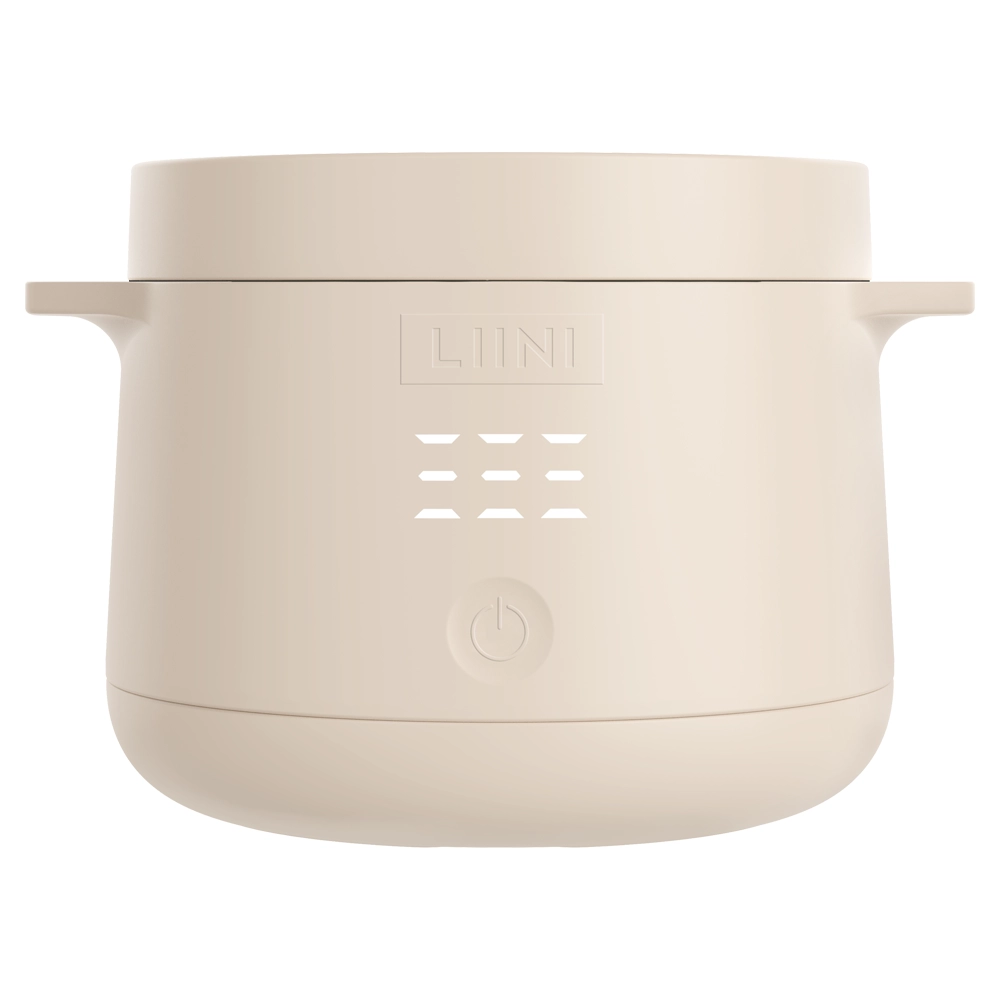 Baby food warmersfrom 6 months
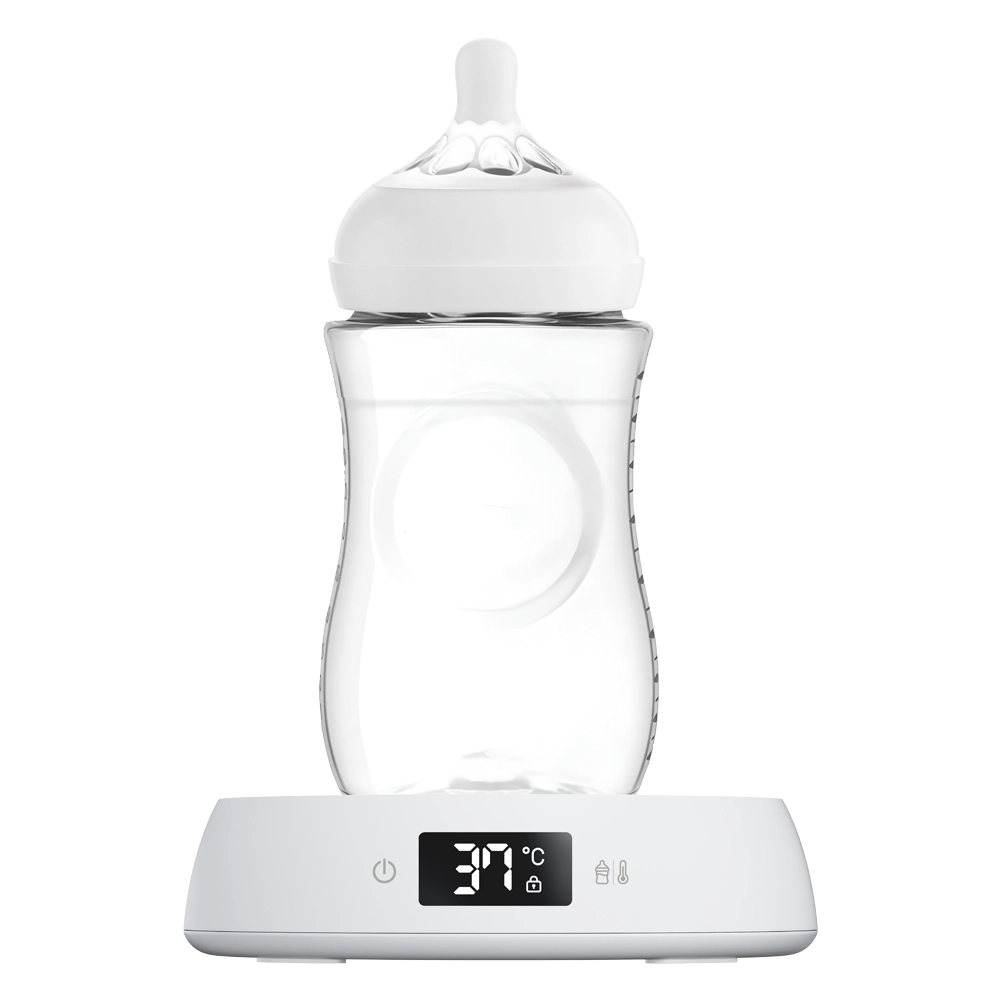 Night Stationfor the night




 Cleaning Wipes Monthly Pack
 Home & 2Go Bundle
 Formula Dispenser Avent
 Baby Bottle Bundle










Pacifiers: When to Start, How to Clean Them Properly, and How to Wean Your Child Off Them Gently
When is the right time to start using a pacifier, how to sterilize and clean it, what teeth and jaws need, and how to gently wean your child off it.
Contents
In short
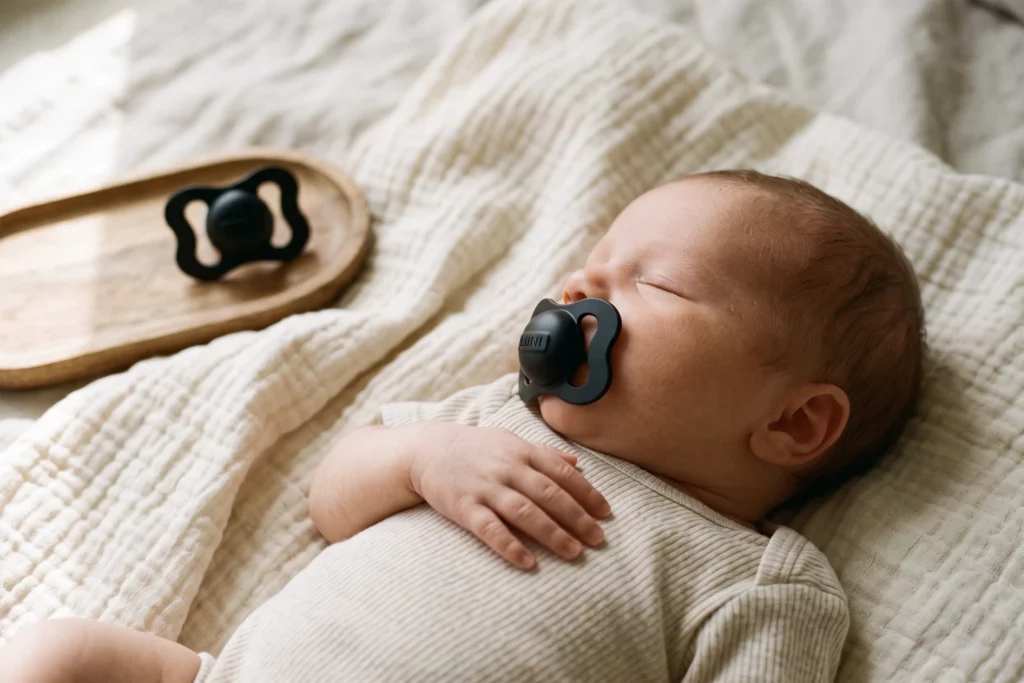
If you’re breastfeeding, wait to introduce a pacifier until breastfeeding is going well. Stillförderung Schweiz recommends not giving a pacifier during the first few days; German expert organizations suggest waiting until at least the second or third week of life. Before using it for the first time, boil the pacifier; after that, clean it regularly with hot water instead of licking it. Never tie it around your baby’s neck, and never dip it in honey or sugar. After your child’s first birthday, limit its use; according to the Swiss Dental Association (SSO), it should be phased out completely by age 3 at the latest.
The pacifier, usually called a “Nuggi” in Switzerland, soothes many babies and can even help them fall asleep. Still, there are many questions: When should you start using a pacifier, how often should you sterilize it, and when is it time to wean your baby off it? Here you’ll find the answers from experts—including, to be honest, the areas where they don’t all agree.
When should you start using a pacifier? Only once breastfeeding is established
If you’re breastfeeding, your baby will learn to latch onto the breast during the first few days. Stillförderung Schweiz therefore advises against giving a pacifier during this time and recommends waiting until breastfeeding is well established. The German Federal Institute for Public Health (BIÖG) and the German guidelines on sudden infant death syndrome recommend waiting until at least the second or third week of life, while the British Lullaby Trust generally recommends waiting about four weeks. The BIÖG states that this waiting period is intended to prevent breastfeeding problems. The WHO and UNICEF also require, in their “Ten Steps to Successful Breastfeeding,” that maternity hospitals advise mothers on the use and risks of pacifiers.
Three rules apply from the very beginning:
- Don’t force it: If your baby doesn’t want a pacifier, that’s okay. Breastfeeding Promotion Switzerland, BIÖG, and the American Academy of Pediatrics (AAP) all agree on this.
- Don’t put it back in: If the pacifier falls out while your baby is sleeping, don’t put it back in their mouth. According to the AAP, it still provides protection.
- As little as possible, as much as necessary: That’s how Stillförderung Schweiz sums it up. Singing, holding your baby, skin-to-skin contact, or gentle stroking often help, too. If you’re using white noise to help your baby sleep, be sure to read the guide “White Noise for Babies” first.
Pros and Cons of the Pacifier
Pros:
- Protection While Sleeping: According to the Children’s Hospital Zurich, breastfeeding or using a pacifier while sleeping act as protective factors against sudden infant death syndrome (SIDS). According to German guidelines, regular pacifier use is associated with a 30% lower risk. The AAP therefore recommends offering a pacifier during naps and at night. To learn what the ideal sleeping arrangement looks like, read our guide “Co-sleeper or Cradle?”
- Soothing: Many babies like to suck, even when they’re not hungry. A pacifier can satisfy this sucking need.
Arguments against it:
- Breastfeeding: Whether early pacifier use interferes with breastfeeding is a matter of debate. Experts at the University Center for Dental Medicine Basel (UZB) report that babies who use pacifiers are less likely to be exclusively breastfed or to be breastfed for a shorter period. The German guideline, however, states that early introduction does not jeopardize breastfeeding success.
- Ears: According to a fact sheet from a British NHS hospital, pacifier use increases the risk of middle ear infections.
- Teeth and jaws: Prolonged pacifier use can lead to misaligned teeth.
- Speech: Breastfeeding Promotion Switzerland advises limiting pacifier use after the first birthday so your child can learn to speak more easily.
Which Pacifier? Shape, Size, and Safety
- Tested: In Europe, pacifiers must comply with safety standard EN 1400.
- Shield: According to the AAP, it should be at least 1½ inches wide—just under 4 cm—and have air holes. This prevents your baby from taking the pacifier all the way into their mouth.
- Securely attached: The AAP recommends one-piece models because some pacifiers can come apart into two pieces. If your pacifier has multiple parts, check before each use to make sure everything is securely attached.
- Shape: The Lullaby Trust recommends orthodontic pacifiers that conform to the shape of the mouth.
- Size: Follow the age or size guidelines on the package.
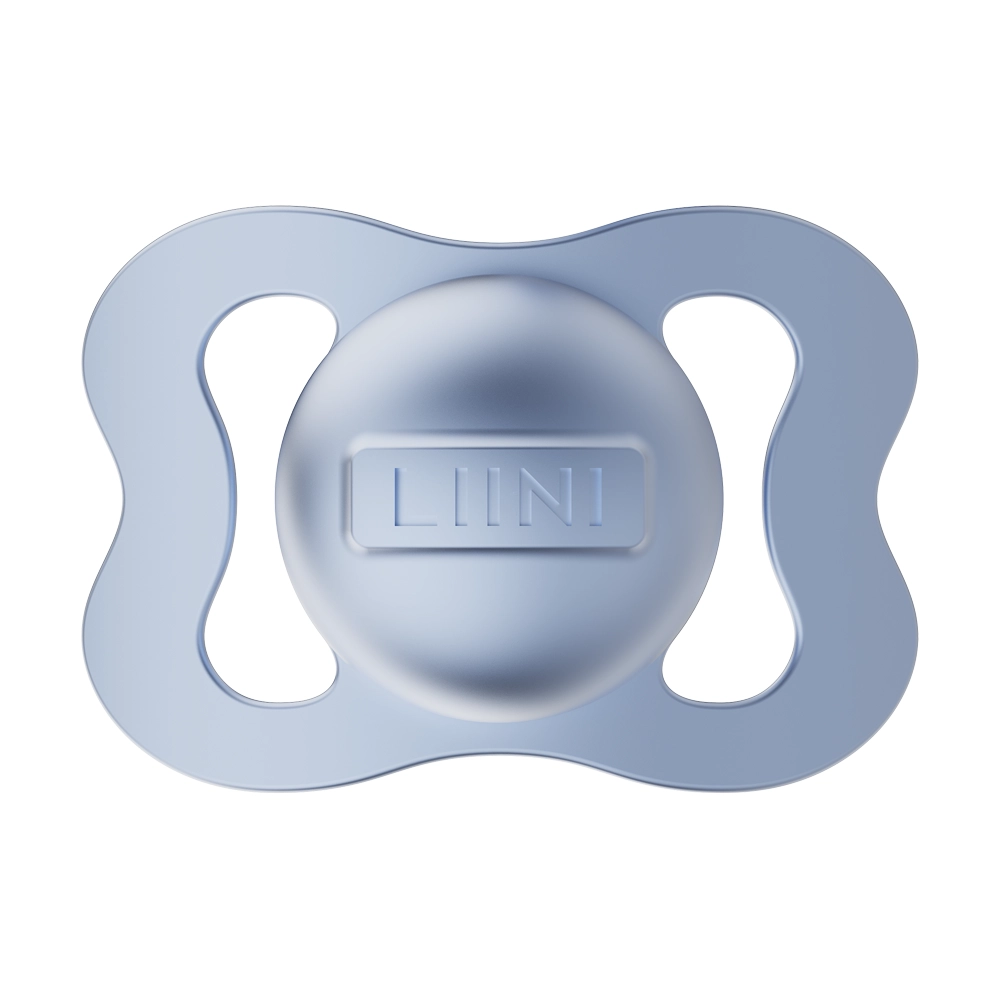
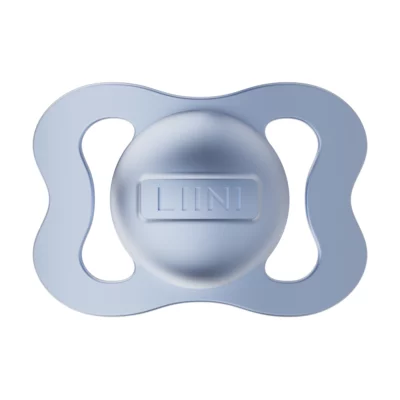
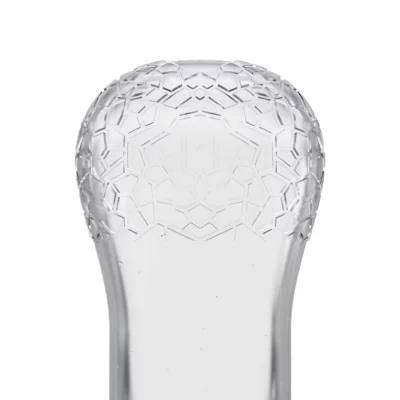
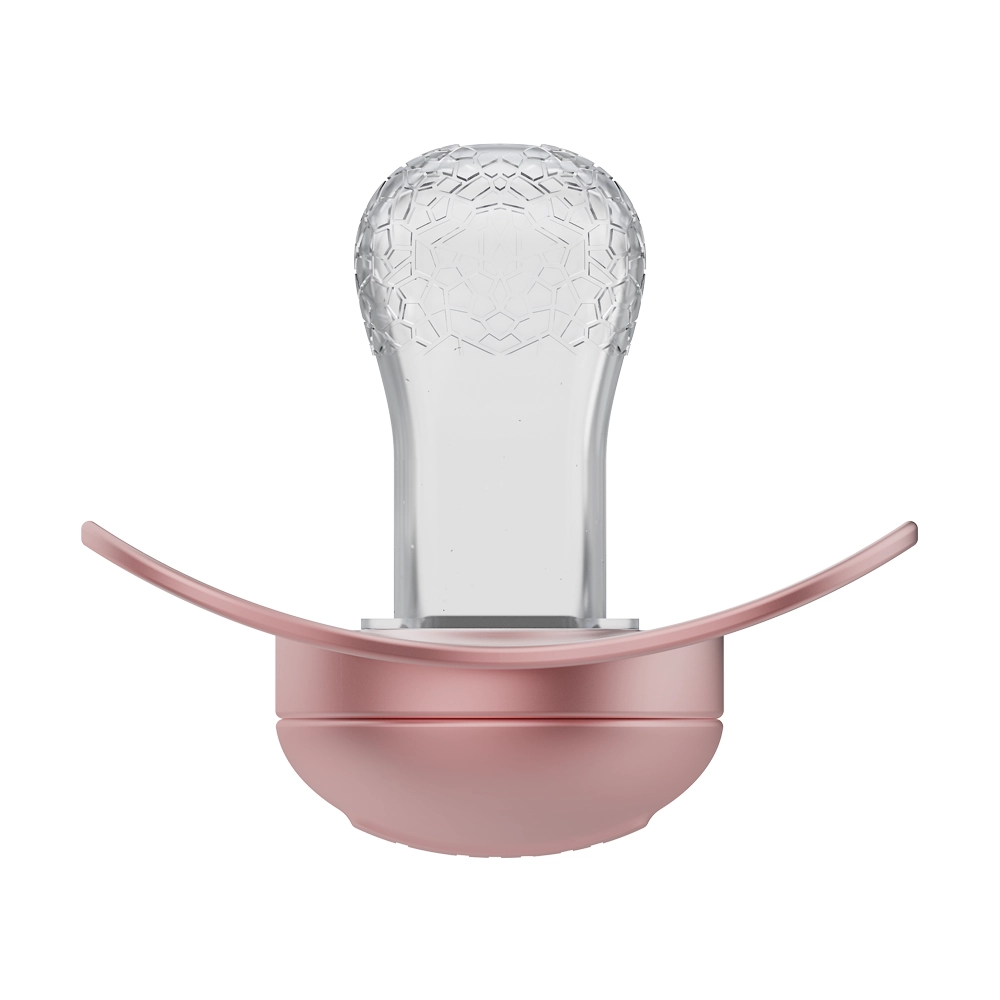
The LIINI® Premium Aluminum Pacifier features a CNC-machined shield made of anodized aluminum, 51 mm wide, and a nipple made of food-safe, BPA-free silicone. It is designed as a one-size-fits-all pacifier. The nipple is replaceable: Loosen the screw cap, pull out the child-safety lock, and insert a new nipple. Three replacement nipples are included. According to the manufacturer, the SGS testing laboratory has tested the pacifier in accordance with EN 1400:2013+A2:2018, including for tear resistance and bite resistance. You can find the pacifier and replacement nipples under “Pacifiers.”
From LIINI
Cleaning and Boiling Pacifiers
- Boil it before first use. This is the recommendation from the AAP; alternatively, you can use the dishwasher if the pacifier is dishwasher-safe. The Cleveland Clinic recommends five minutes in boiling water. Take apart multi-piece pacifiers before boiling. For the LIINI® pacifier, follow the instructions to boil the nipple, shield, and twist-lock cap in plenty of water for a few minutes.
- Let it cool. Squeeze the water out of the nipple and let everything air dry.
- Daily cleaning: Wash the pacifier in hot water with a little dish soap, rinse it thoroughly, and let it dry.
- After it falls, clean it every time. According to the Cleveland Clinic, it can pick up germs from any surface.
- Boil it regularly. Experts don’t agree on how often. British NHS hospitals recommend sterilizing pacifiers regularly; one NHS service even advises doing so before every use. The Cleveland Clinic considers this necessary mainly for new pacifiers, provided you wash them thoroughly otherwise. Sterilizing them too frequently can damage the material.
- Store Cleanly A spare pacifier in a case belongs in the diaper bag.
To learn how to keep bottles and nipples clean, read the guide “Cleaning and Sterilizing Baby Bottles.”
Licking a Pacifier: What the Studies Say
Many parents briefly put a dropped pacifier in their mouth. It’s better not to: According to BIÖG, this can transfer cavity-causing bacteria from you to your child. You can also pass on other germs without realizing it, warns the Cleveland Clinic.
You may have read that licking a pacifier protects against allergies. A 2013 Swedish study of 184 children found that children whose parents licked their pacifiers were less likely to have eczema at 18 months. The researchers themselves described their study as relatively small and called for larger studies. An Australian study involving over 700 children in 2021 found no increased risk of food allergies associated with either licking or boiling, only with disinfection using an antiseptic solution. This is not proof that licking the pacifier provides protection. Hot water, dish soap, and boiling are sufficient for cleaning.
Safety: Chains, honey, and when to replace them
- Never around the neck: Never tie the pacifier around the neck, to the hand, or to the bed. BIÖG and AAP warn of the risk of strangulation.
- Keep the pacifier chain short and certified: The EN 12586:2025 standard for pacifier chains limits the length—without a clothing clip—to 22 cm to prevent strangulation. The BIÖG even recommends a maximum length of 10 cm. The AAP advises attaching the chain only to clothing and removing it before bedtime. The Lullaby Trust advises against using pacifier strings and holders altogether.
- No Sweets: Never dip a pacifier in honey, sugar, or syrup, warns the Lullaby Trust. The SSO advises against getting your baby used to sweet foods in the first place. According to the Federal Institute for Risk Assessment (BfR), honey is off-limits during the first year of life anyway due to the risk of infant botulism.
- Check and replace: If the nipple has discolored or is torn, replace the pacifier, advises the AAP. According to the manufacturer, you should replace the nipple on the LIINI® pacifier at least once a month.
Teeth and Jaw: How Long Is It Okay to Use a Pacifier?
Prolonged pacifier use puts pressure on the jaw and teeth. According to the UZB Basel, the most common consequence is an open bite: the upper and lower front teeth no longer overlap. A crossbite is also possible. In a review cited by the UZB, 19.5% of children who gave up their pacifiers before their third birthday developed an open bite, compared to at least 73.5% of those who continued using them for longer periods. After weaning off the pacifier, the malocclusion resolved on its own in only 28% of the children; after age 5, it did not resolve at all.
Experts have differing opinions on when a child should stop using a pacifier:
| Specialized Office | Recommendation |
|---|---|
| Lullaby Trust (United Kingdom) | Gradually wean the baby off between 6 and 12 months |
| Breastfeeding Promotion Switzerland | Only a little after the first birthday |
| BIÖG (Germany) | If possible, stop after the first birthday |
| UZB Basel (Dentistry) | Best time is at age 2 |
| SSO (Swiss Dental Association) | No later than age 3 |
In everyday life, this means: gradually reduce use starting on the child’s first birthday, wean them off by their second birthday, and stop completely by age three at the latest. If you have questions about teeth, your dentist or pediatrician can help.
Weaning Off the Pacifier: A Gentle 4-Step Process
Weaning works best without pressure and with a plan:
- Choose the right time. Start when your child is healthy and you’re feeling relaxed, advises the AOK health insurance provider. Starting daycare or moving are generally not good times to begin.
- Avoid it during the day Don’t offer the pacifier at all during quiet moments. Distract your child—play with them and talk to them.
- Only for falling asleep Then, offer it only at bedtime. A set routine with a stuffed animal or a song helps with the transition.
- Celebrate the Goodbye Finally, say goodbye to the pacifier together. Praise and encouragement make it easier.
Ideas for saying goodbye: The Pacifier Fairy comes to pick up the pacifier at night and leaves a small gift behind. Your child hangs it on a branch of the pacifier tree. Older children trade it in for a wish. According to AOK, it usually takes only a few days for a child to get used to life without a pacifier.
Caution
Some guidebooks recommend cutting the pacifier down bit by bit or poking holes in it. We advise against this: A damaged pacifier can tear or fall apart. The AAP recommends replacing torn pacifiers.
Frequently Asked Questions
When can my baby start using a pacifier?
If you’re breastfeeding, wait until breastfeeding is going well. German expert organizations recommend waiting until at least the second or third week of life, while the Lullaby Trust generally recommends waiting about four weeks. This waiting period is intended to prevent breastfeeding problems.
How long do I need to boil a pacifier?
The Cleveland Clinic recommends five minutes in boiling water. Also, follow the manufacturer’s instructions.
Do I have to boil the pacifier every time?
Yes, before the first use. After that, recommendations vary: British NHS hospitals recommend regular sterilization, while the Cleveland Clinic considers thorough washing with hot water and dish soap sufficient for everyday use. Always clean it if it falls on the floor.
Can I lick the pacifier?
It’s best not to. According to the BIÖG, this can transfer cavity-causing bacteria from you to your child. There’s no evidence that licking the pacifier protects against allergies; the studies on this are small or only show correlations.
By when should my child stop using a pacifier?
Recommendations range from 6 to 12 months (Lullaby Trust) to no later than 3 years (SSO). From the perspective of tooth alignment, the UZB Basel states that age 2 is the best time.
Sources
- Pacifiers—A Guide for Parents, Breastfeeding Promotion Switzerland
- Information for Parents: Safe and Healthy Sleep, University Children’s Hospital Zurich and University Children’s Hospital of Basel
- Can Pacifiers Be Harmful?, University Center for Dental Medicine Basel (UZB), Pediatrics 2/2022
- Decay inBaby Teeth, Swiss Dental Association (SSO)
- Does Usinga Pacifier While Sleeping Reduce the Risk of Sudden Infant Death Syndrome?, kindergesundheit-info.de, BIÖG
- Safety Rules for Babies, kindergesundheit-info.de, BIÖG
- How Tooth Decay Develops, kindergesundheit-info.de, BIÖG
- S1 Guideline on the Prevention of Sudden Infant Death (PDF), AWMF 063-002
- Questions and Answers on Botulism, Federal Institute for Risk Assessment (BfR)
- When and How to Wean Your Child Off the Pacifier, AOK Health Magazine
- Ten Steps to Successful Breastfeeding, WHO
- How to Keep Your Sleeping Baby Safe: AAP Policy Explained, American Academy of Pediatrics (AAP)
- Thumbs, Fingers, and Pacifiers, American Academy of Pediatrics (AAP)
- Dummies, The Lullaby Trust
- Dummies, Soothers, Pacifiers, and Your Baby (PDF), Norfolk and Norwich University Hospitals NHS
- Choosing to Use a Pacifier, Sussex Community NHS
- How to Clean and Sanitize Your Baby’s Pacifier, Cleveland Clinic
- Pacifier Cleaning Practices and Risk of Allergy Development (PDF), Hesselmar et al., Pediatrics 2013
- Antiseptic use in infancy linked to a higher risk of food allergy, Allergen Bureau, regarding the Barwon Infant Study 2021
- EN 1400:2013+A2:2018 – Pacifiers, CEN (iTeh Standards Preview)
- EN 12586:2025 – Pacifier holders, CEN (Standard Preview iTeh)