
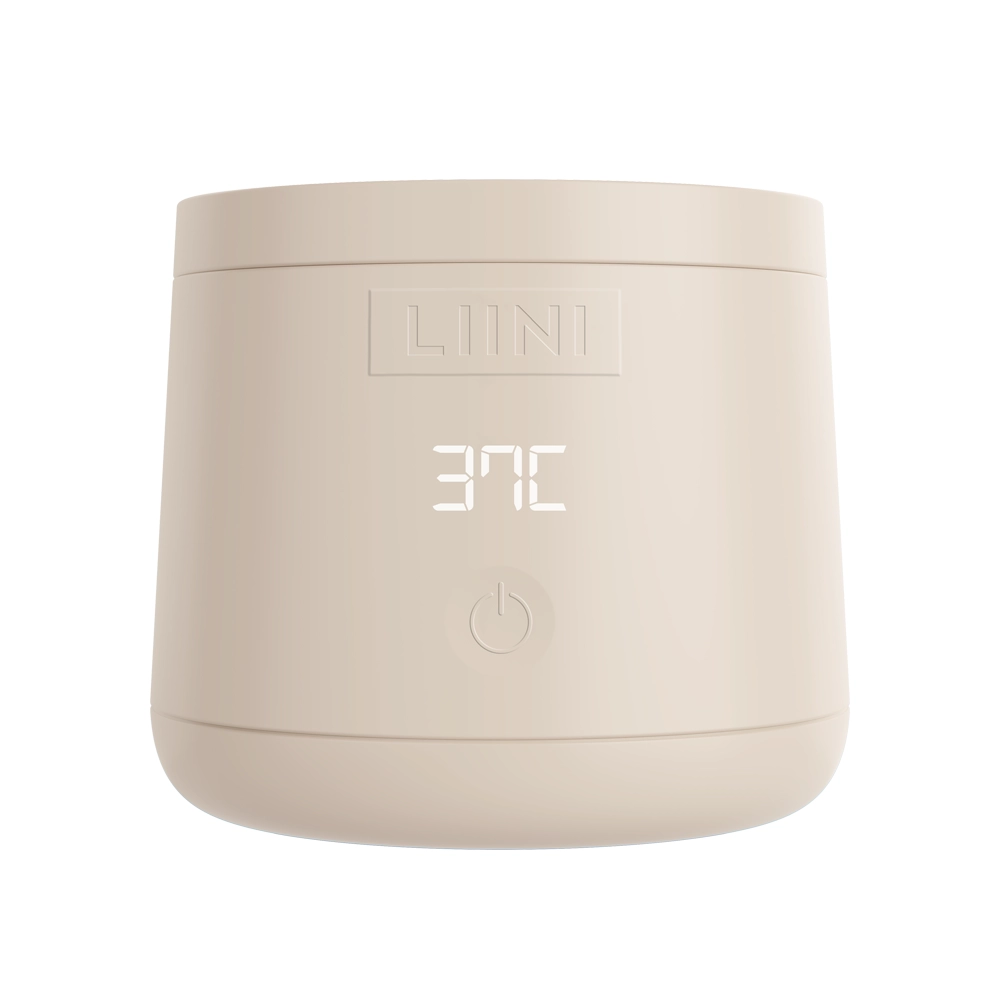
 4.0 PRObattery · on the go
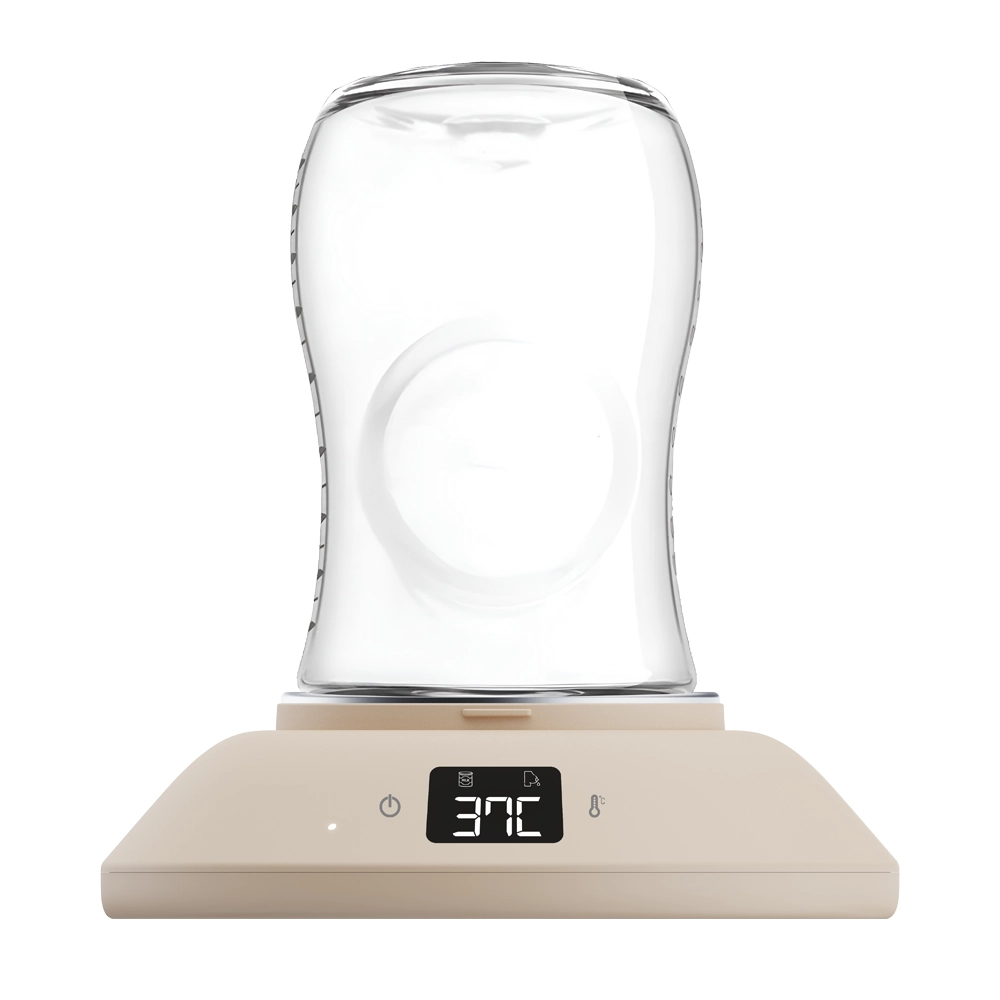 Home 230Vfor home
 Baby food warmersfrom 6 months
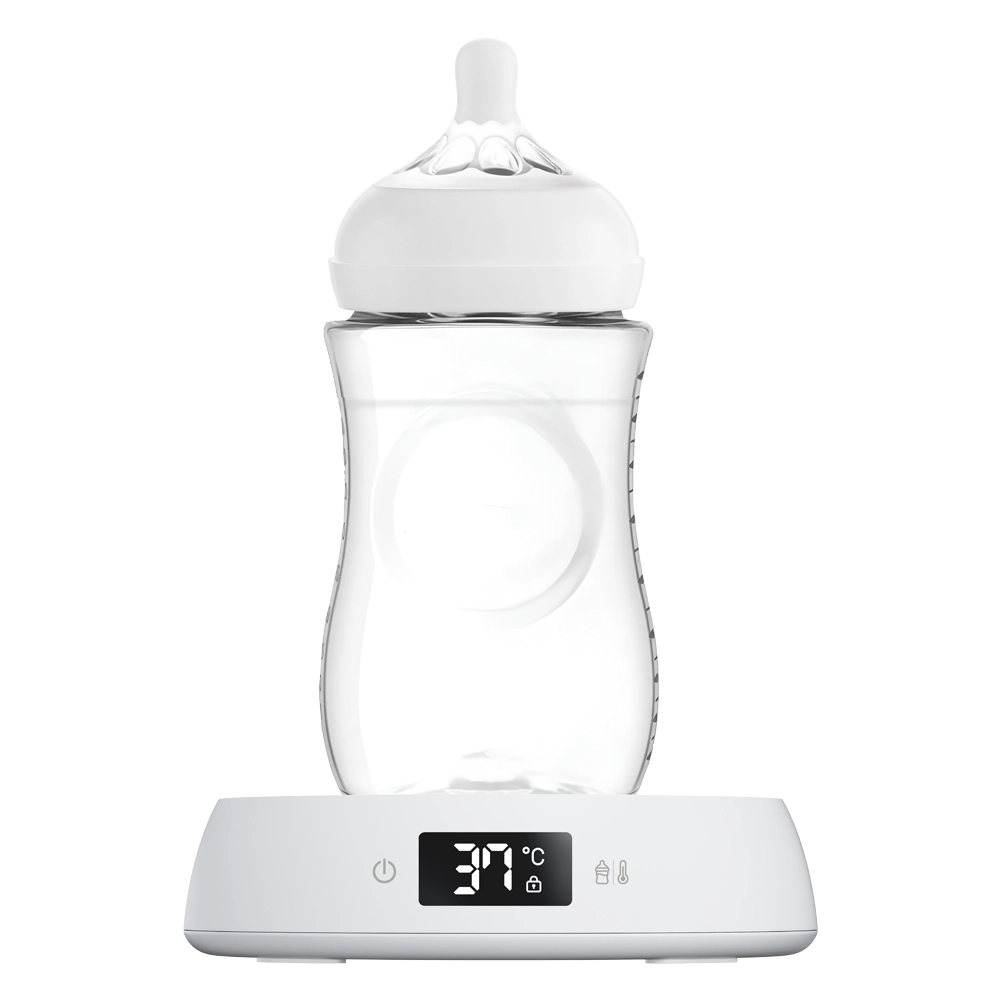 Night Stationfor the night




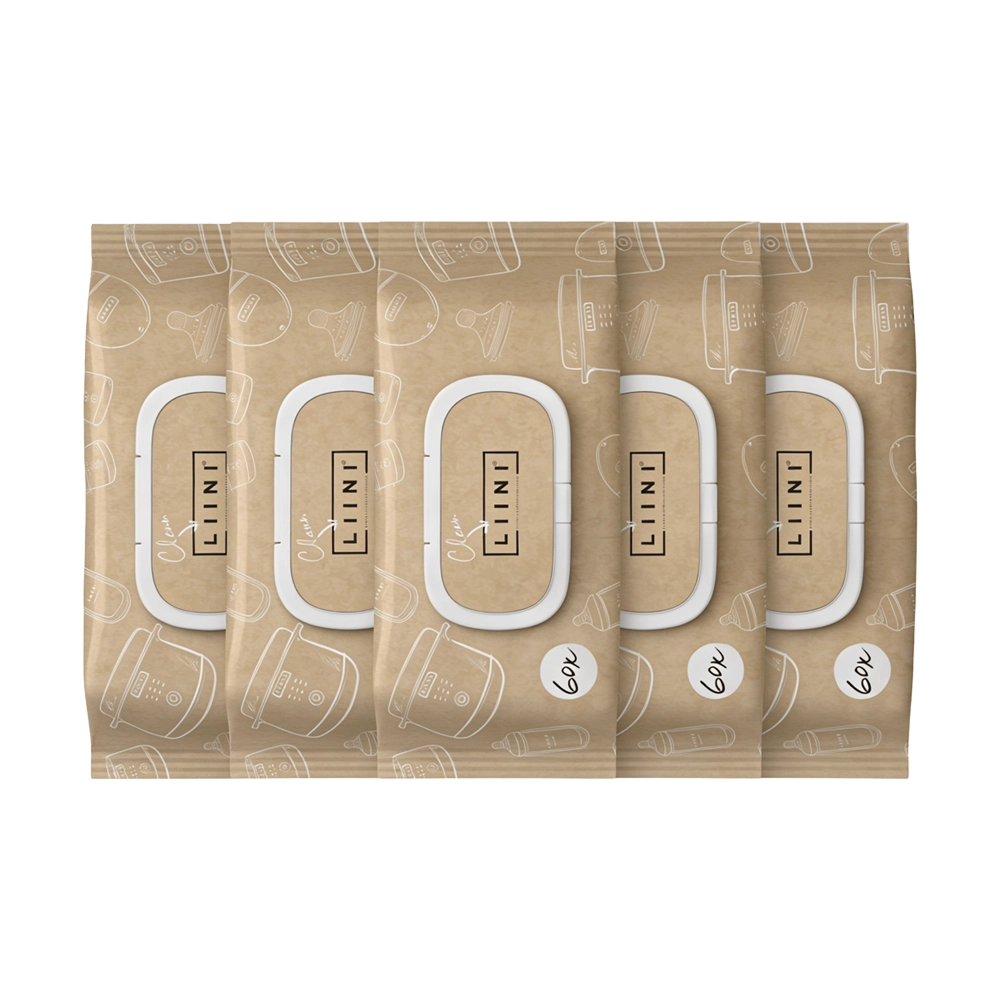 Cleaning Wipes Monthly Pack
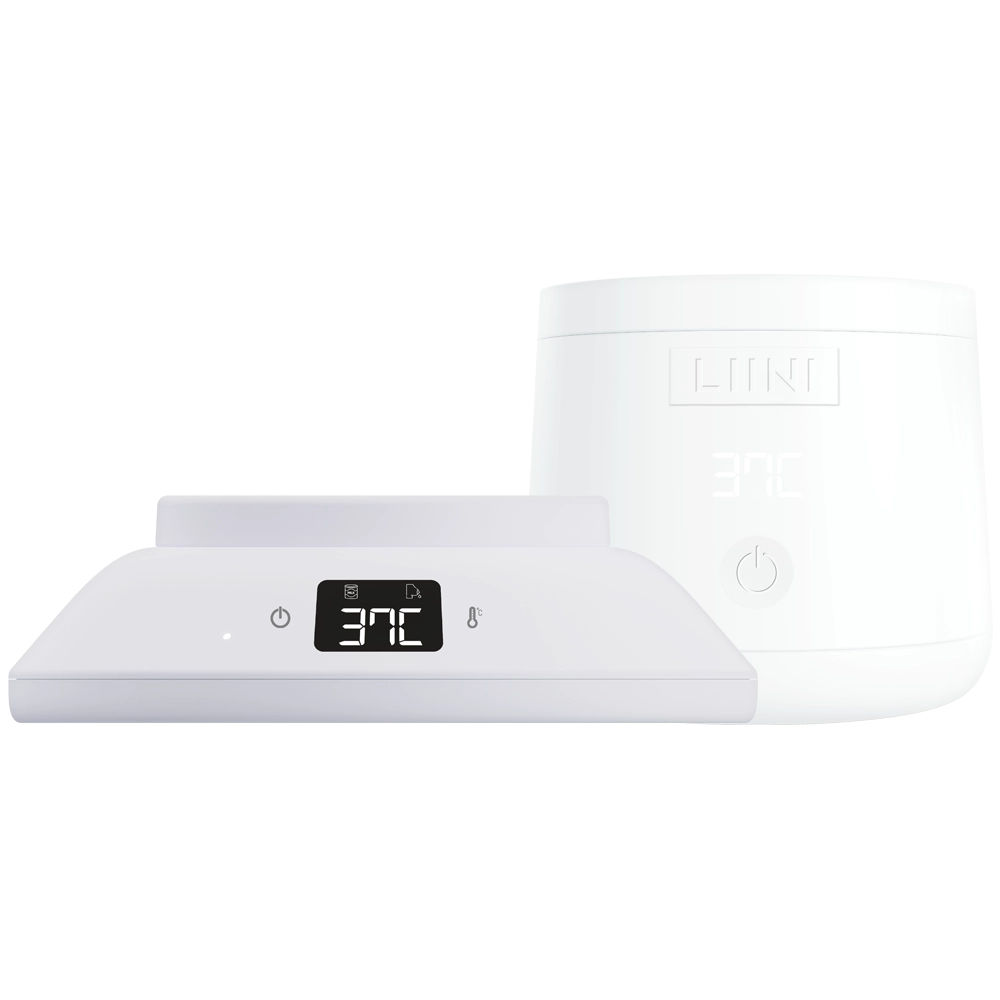 Home & 2Go Bundle
 Formula Dispenser Avent
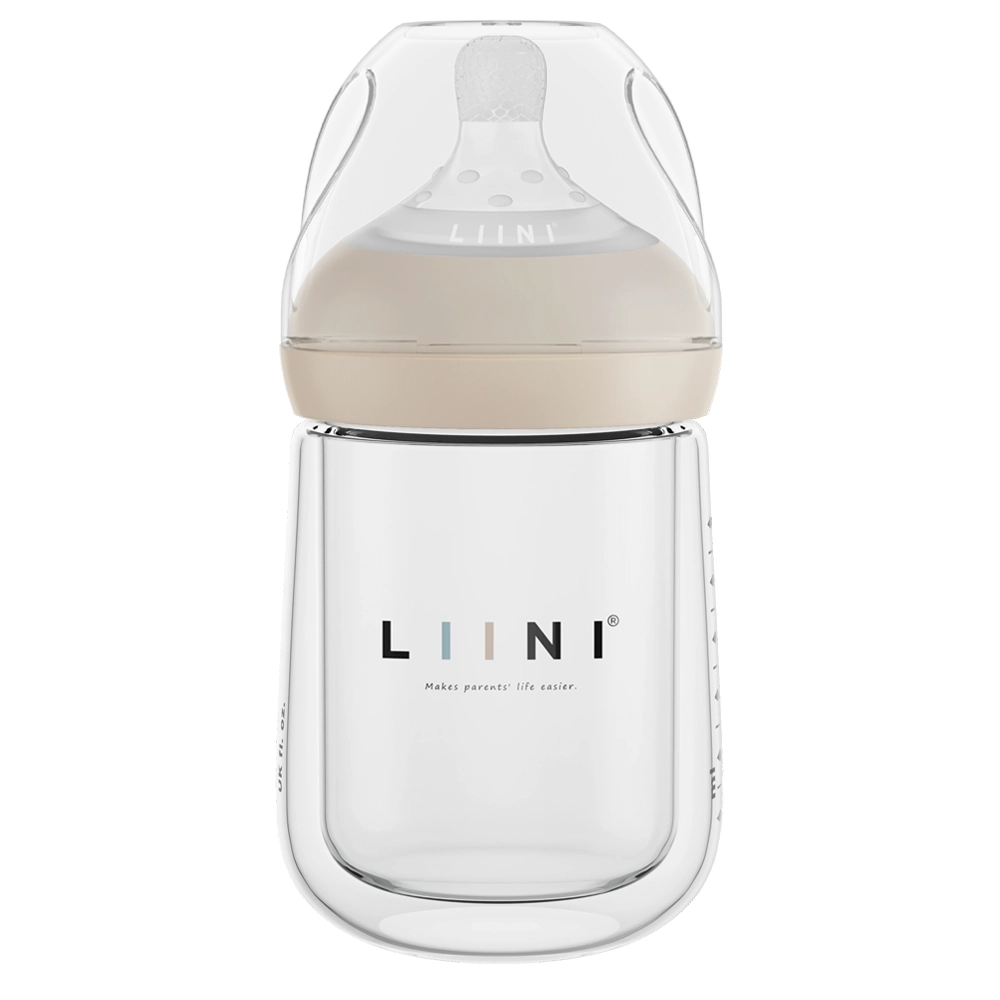
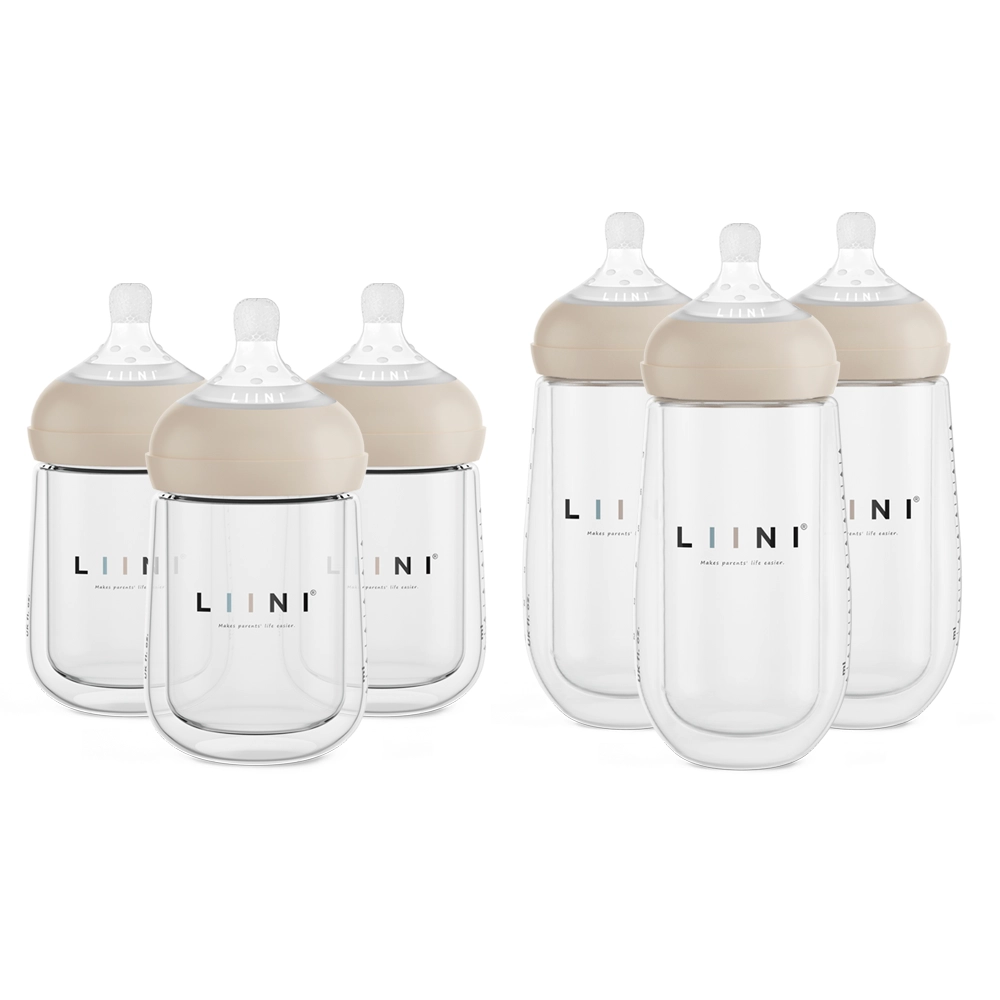 Baby Bottle Bundle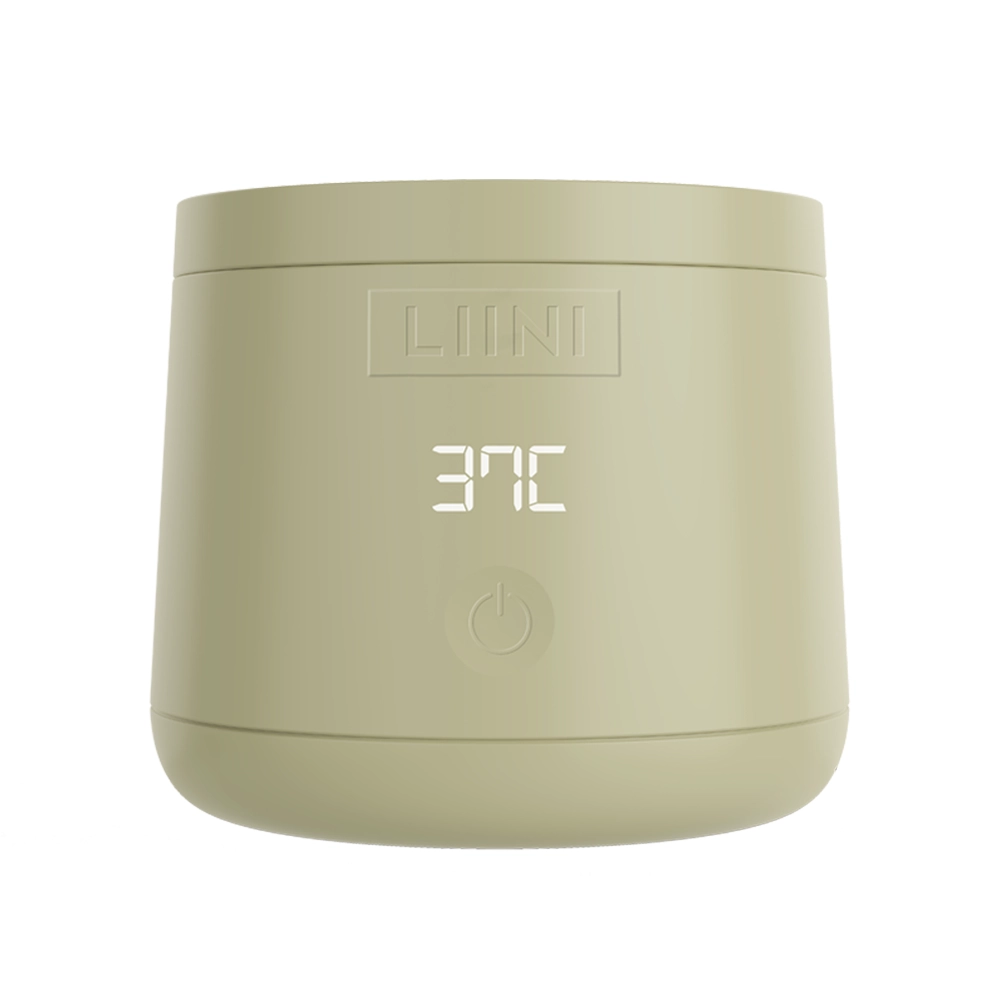










Pumping and Storing Breast Milk: Tips and Shelf Life
How long does pumped breast milk last? Storage times at room temperature, in the refrigerator, and in the freezer, plus tips on pumping, freezing, thawing, and transporting.
Contents
In short
According to Breastfeeding Promotion Switzerland, freshly pumped breast milk lasts 3 to 4 hours at room temperature, 3 days in the refrigerator at 4 °C or below, and 6 months in the freezer at −17 °C or below. Other organizations give slightly different time frames; if in doubt, stick to the shorter one. Label each container with the date. Thaw frozen milk in the refrigerator, warm it in a water bath or in a bottle warmer, and never in the microwave. Use thawed milk within 24 hours and do not refreeze it.
Pumping and storing breast milk gives you freedom: Your baby gets your milk even when you’re not there. To keep your pumped breast milk fresh and safe, you need to follow a few simple rules about hygiene, storage containers, and shelf life. Here you’ll find step-by-step instructions, along with an overview of specialized resources and tips for pumping.
When is pumping a good idea?
If your baby is feeding well at the breast, you don’t need to pump. However, there are many good reasons to do so. The German network “Gesund ins Leben” and the British National Health Service (NHS) list the following, among others:
- You’re away from your baby for a few hours or are returning to work (on breastfeeding and work: Maternity Leave in Switzerland).
- Your breasts feel uncomfortably full (what helps with milk engorgement: Milk Engorgement and Mastitis).
- Your baby can’t breastfeed (yet), for example, after a premature birth.
- You want to increase your milk supply.
- You need to take medication but don’t want to stop breastfeeding.
If there is a medical reason—such as a premature birth, engorgement, or sore nipples—basic health insurance in Switzerland may cover the cost of renting a breast pump. You can find out how this works in the guide “Does Health Insurance Cover a Breast Pump?”
When and how often you pump depends on your situation. It’s best to discuss your pumping schedule with your midwife or a lactation consultant. According to Gesund ins Leben, they can also help you choose the right pump and flange.
Pumping: Tips for Hygiene and a Good Milk Flow
You don’t need to clean your breasts in any special way before pumping—water is enough. It’s more important to have clean hands and a clean pump. Here’s how to do it:
- Wash your hands: Wash your hands and fingernails thoroughly with soap and water.
- Check the pump: Make sure all parts are clean and dry.
- Relax Find a moment when you’re relaxed. According to the NHS, it helps to have your baby or a photo of your baby nearby.
- Massage your breasts: A gentle massage before pumping helps the milk flow.
- Pump Pump directly into a clean container. If the breast shield feels tight or hurts, ask for a different size.
- Seal and label: Close the container and write the date on it in permanent marker.
- Refrigerate immediately. Put the milk in the refrigerator if you’re not going to feed it right away.
- Clean the pump: Wash all parts that came into contact with milk with hot water and dish soap or in the dishwasher, and let them air dry.
Tip
A well-fitting breast shield makes pumping more comfortable. Your lactation consultant or midwife can help you find the right size. You can find breast shields in various sizes under “Breast Pump Accessories.”
Storing Breast Milk: Choosing and Labeling Containers
According to Breastfeeding Promotion Switzerland, a clean glass or cup with a lid, as well as special breast milk storage bags, are suitable for storing breast milk. Plastic containers should be specifically approved for infant formula, according to the German Federal Institute for Public Health (BIÖG). According to Gesund ins Leben, breast milk storage bags should only be used once.
- Small portions: According to the CDC, fill the container with about as much as your baby drinks in one feeding. That way, you’ll have less to pour out.
- Leave some space: Milk expands when it freezes. Leave about 2 to 3 cm of space at the top.
- Label: Write the date on each container using a smudge-proof marker. If you’re dropping off the milk at daycare, include your child’s name as well.
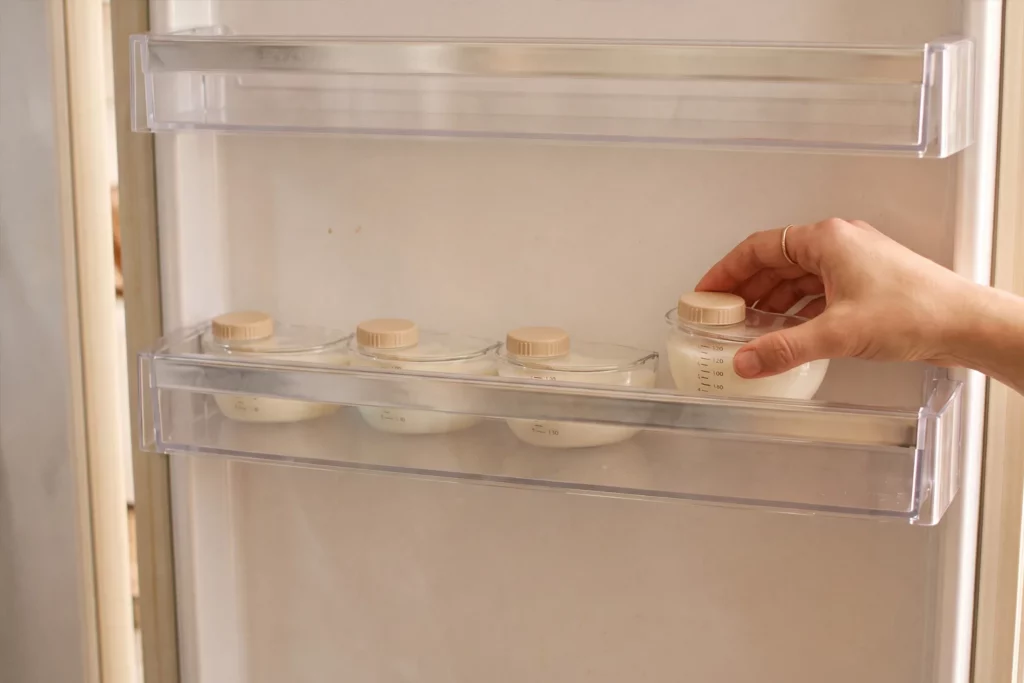
- Store properly: Place the milk in the back of the refrigerator, not in the door. That’s where the temperature fluctuates the most.
- Storing: According to Gesund ins Leben, you can add chilled milk to milk that’s already frozen to gradually build up a portion. Then put the container back in the freezer right away.
You can find replacement bottles and pumps in the Breast Pumps category.
Breast Milk Shelf Life: How Long Pumped Milk Lasts
How long breast milk lasts depends primarily on the temperature. Recommendations from various organizations vary slightly, partly because they are based on different temperature ranges. The table shows the guidelines from Breastfeeding Promotion Switzerland, German organizations, and the U.S. Centers for Disease Control and Prevention (CDC).
| Storage Location | Breastfeeding Promotion Switzerland | Germany (BIÖG, Gesund ins Leben) | CDC (USA) |
|---|---|---|---|
| Room temperature | 3–4 hours (16–29 °C) | 6–8 hours (15–25 °C), no more than 4 hours at 25–32 °C | up to 4 hours (up to 25 °C) |
| Refrigerator | 3 days (below 4 °C) | Up to 4 days (4–6 °C, back of the fridge) | Up to 4 days |
| Freezer compartment in the refrigerator | Not specified | No more than 2 weeks (−15 °C) | Not specified |
| Freezer | 6 months (below −17 °C) | 6 months (−18 °C or colder) | ideally about 6 months; up to 12 months possible |
| Thawed in the refrigerator | within 24 hours | A Healthy Start in Life: Up to 2 Days | within 24 hours |
| Leftovers After Feeding | within 2 hours | no more than 2 hours | within 2 hours |
| Cooler bag with ice packs | Not specified | up to 24 hours (at 15 °C) | up to 24 hours |
The British NHS even states that food can be kept in the refrigerator for up to 8 days if the temperature remains at 4 °C or lower. If you don’t know the temperature or if it’s between 5 and 10 °C, the NHS recommends only 3 days. A refrigerator thermometer will help you figure it out.
Caution
If your baby was born prematurely or is sick, stricter rules often apply. Ask the hospital staff how to store your milk; this is also what the NHS recommends.
Freezing and Thawing Breast Milk
It’s best to freeze any breast milk you won’t need within the refrigerator storage period as soon as possible. Use up the oldest supply first, as recommended by the CDC.
Thawing: The gentlest way to thaw frozen breast milk is in the refrigerator. According to BIÖG, this takes about twelve hours at 4 to 6 °C. If you need it faster, the CDC recommends placing the sealed container in warm water or holding it under lukewarm, running water.
After thawing: Store thawed milk in the refrigerator and, according to Breastfeeding Promotion Switzerland, use it within 24 hours. Do not refreeze it. Once the thawed milk has reached room temperature, use it within 2 hours, according to the CDC.
Warming Breast Milk: Use a Water Bath Instead of a Microwave
Breast milk doesn’t necessarily have to be warm. According to the CDC, you can also feed it at room temperature or chilled. However, some babies prefer it warm.
- Water bath: Place the sealed container in warm—not hot—water.
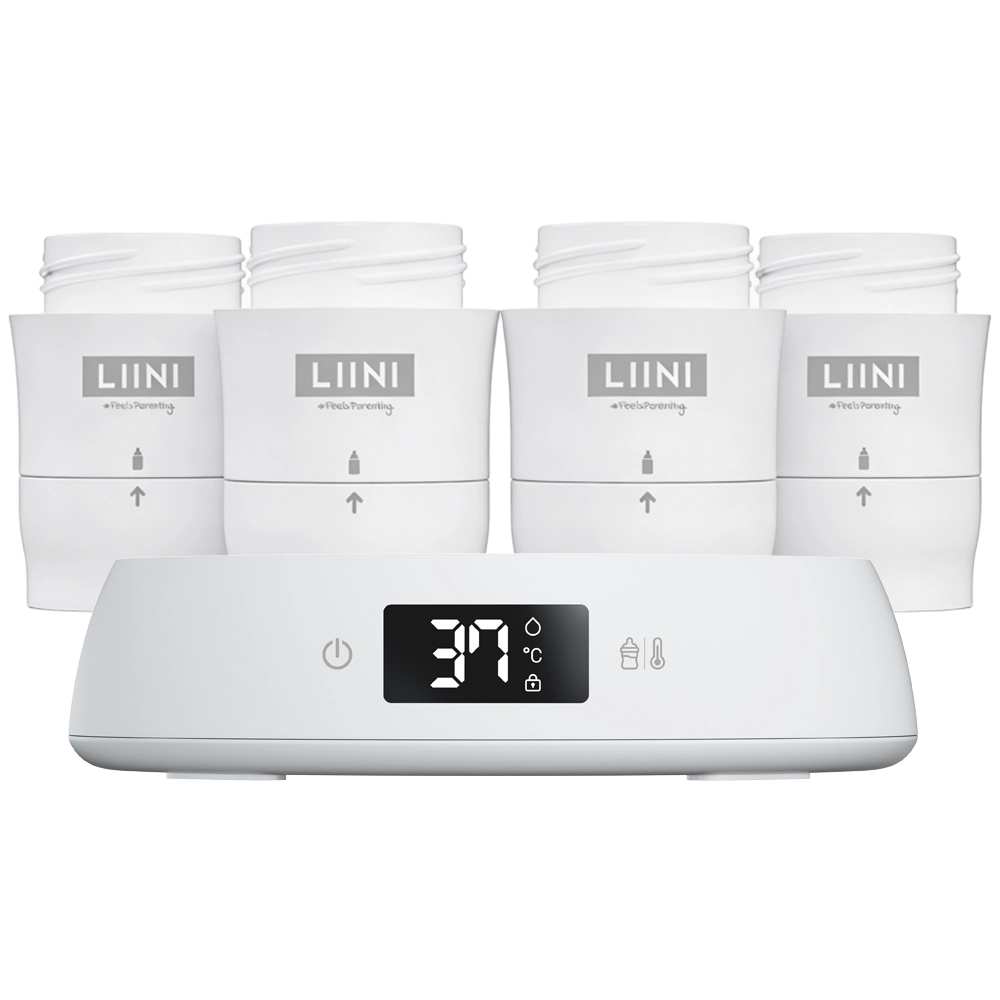
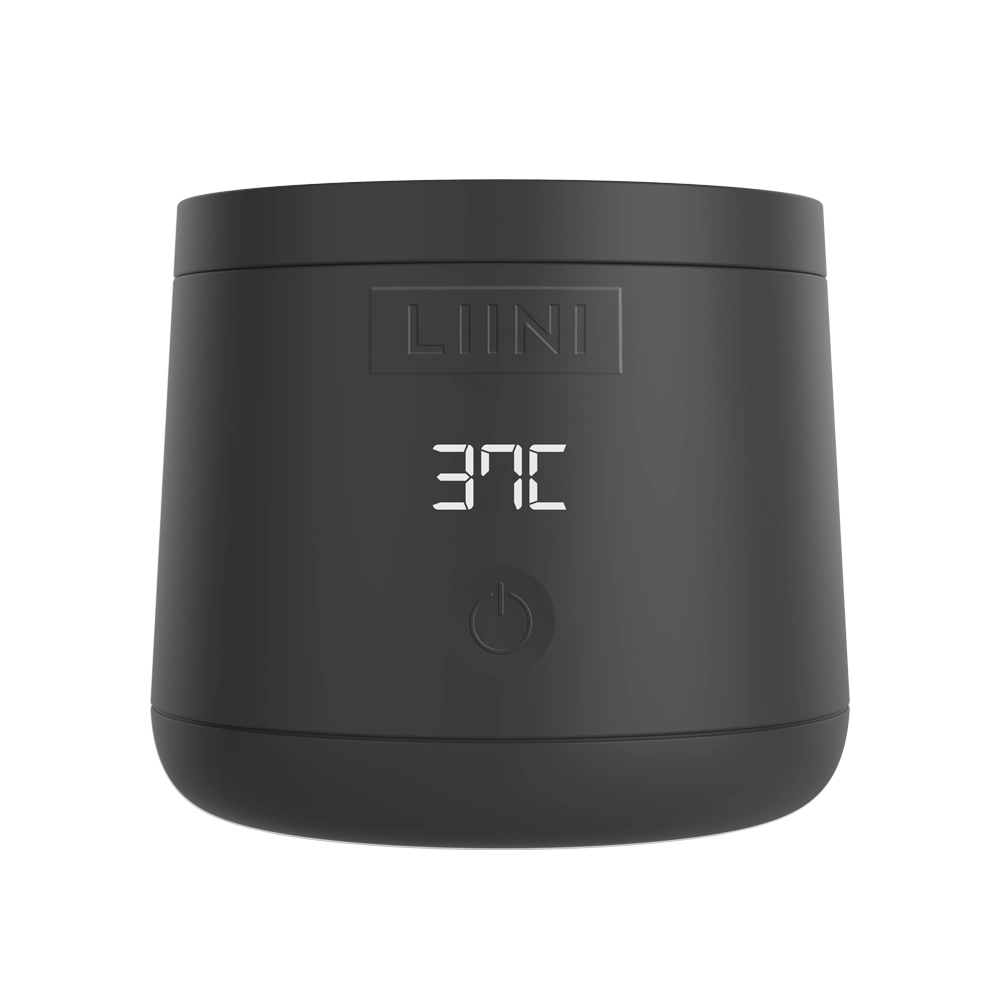
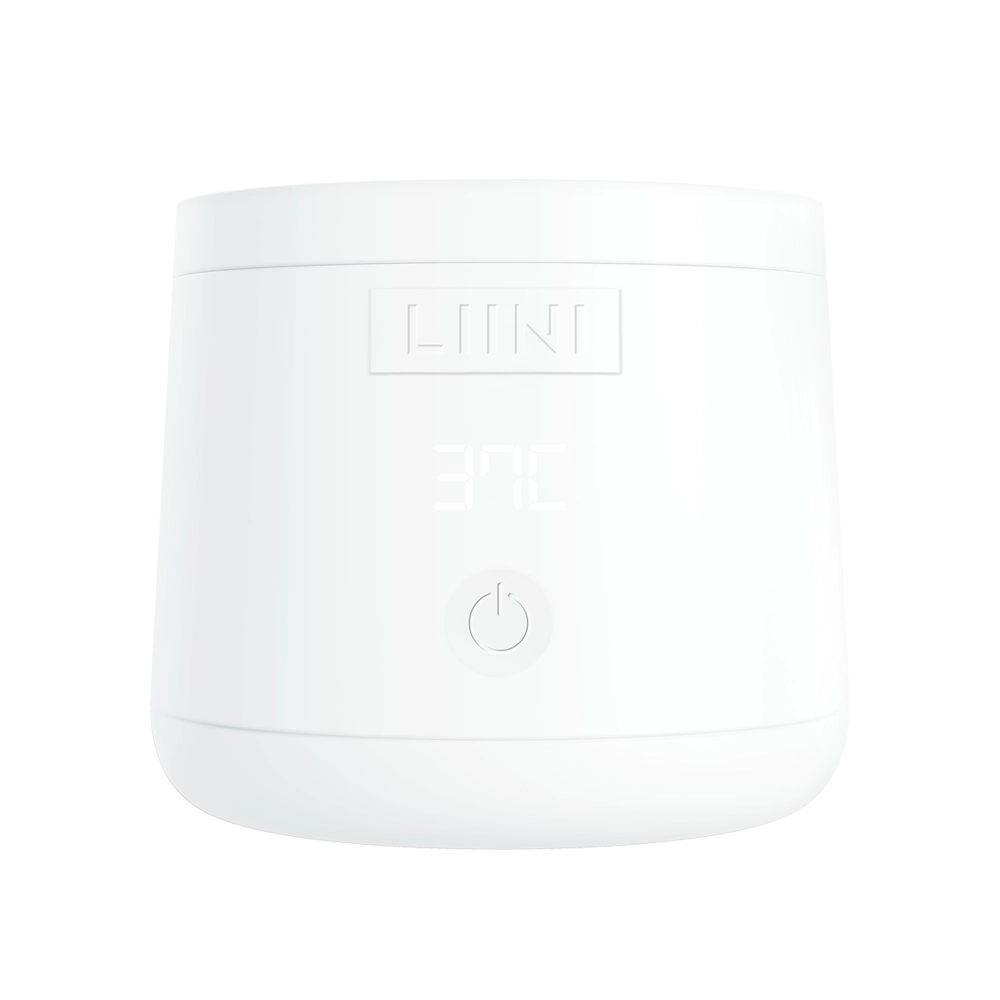
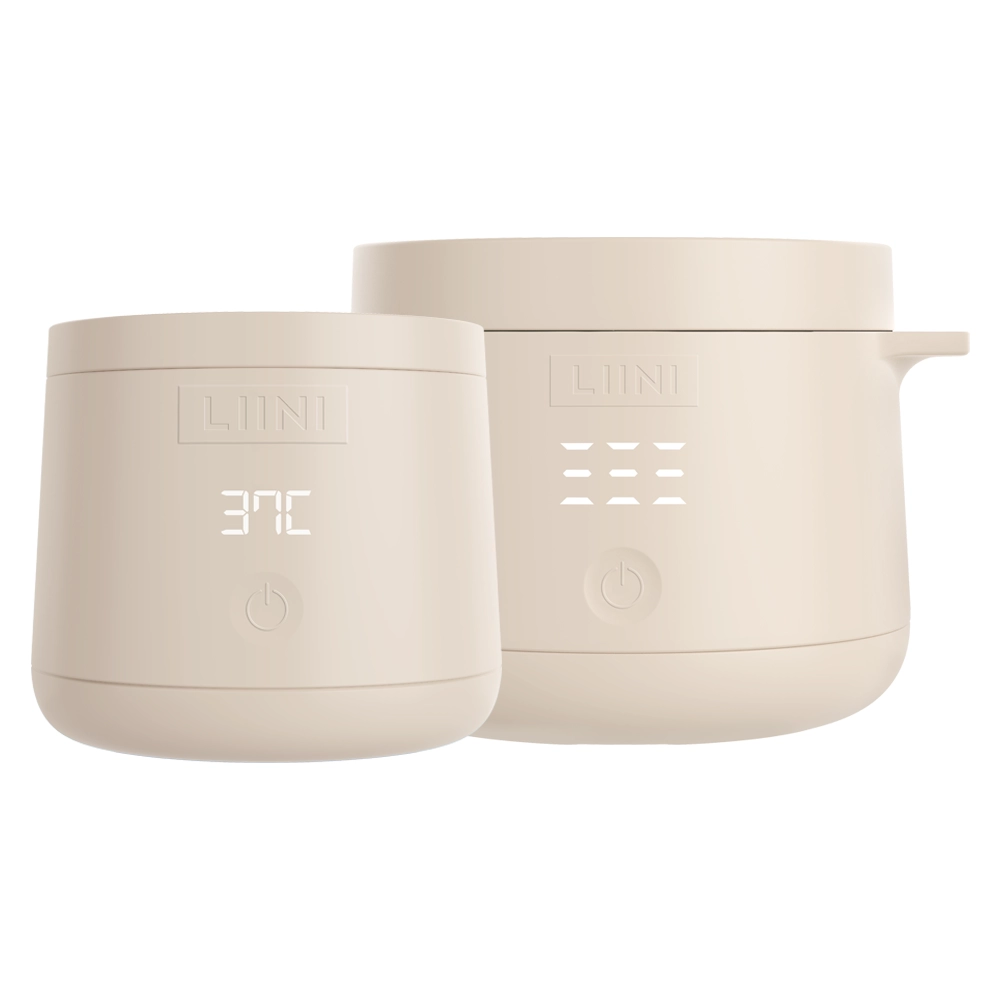
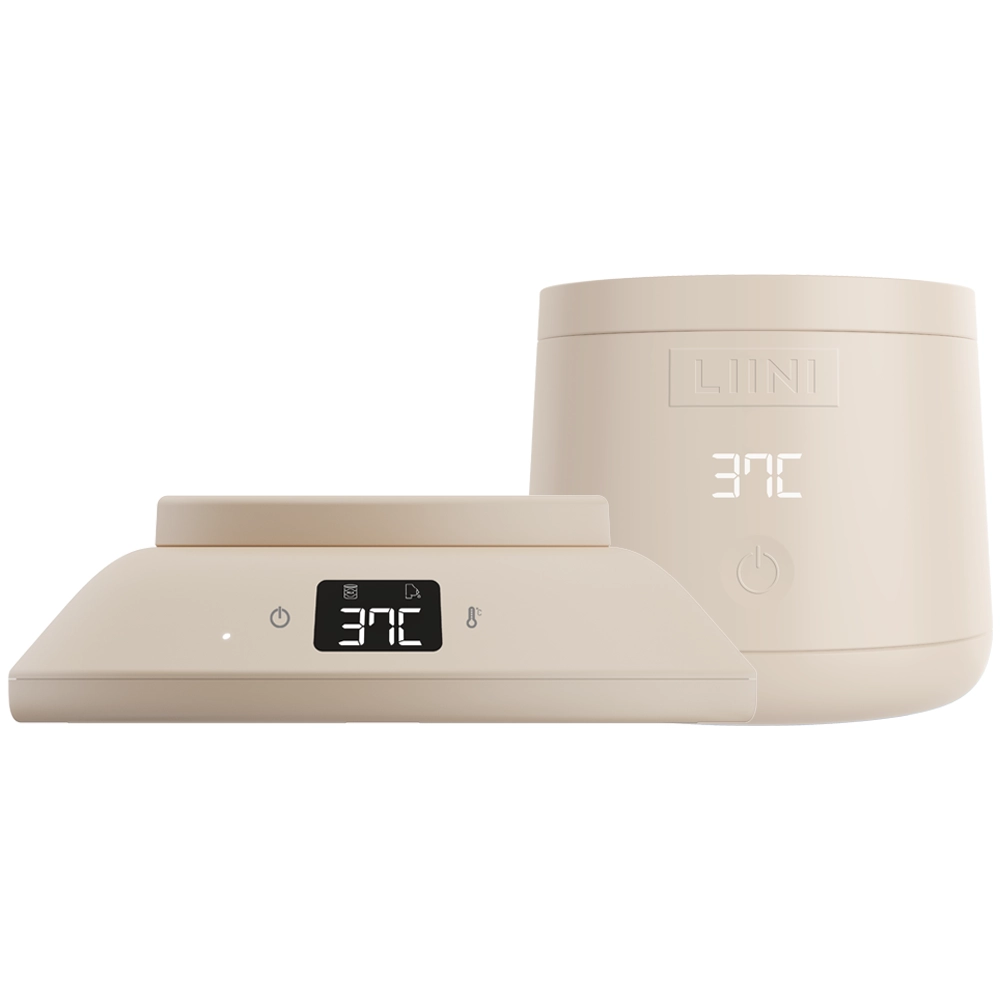
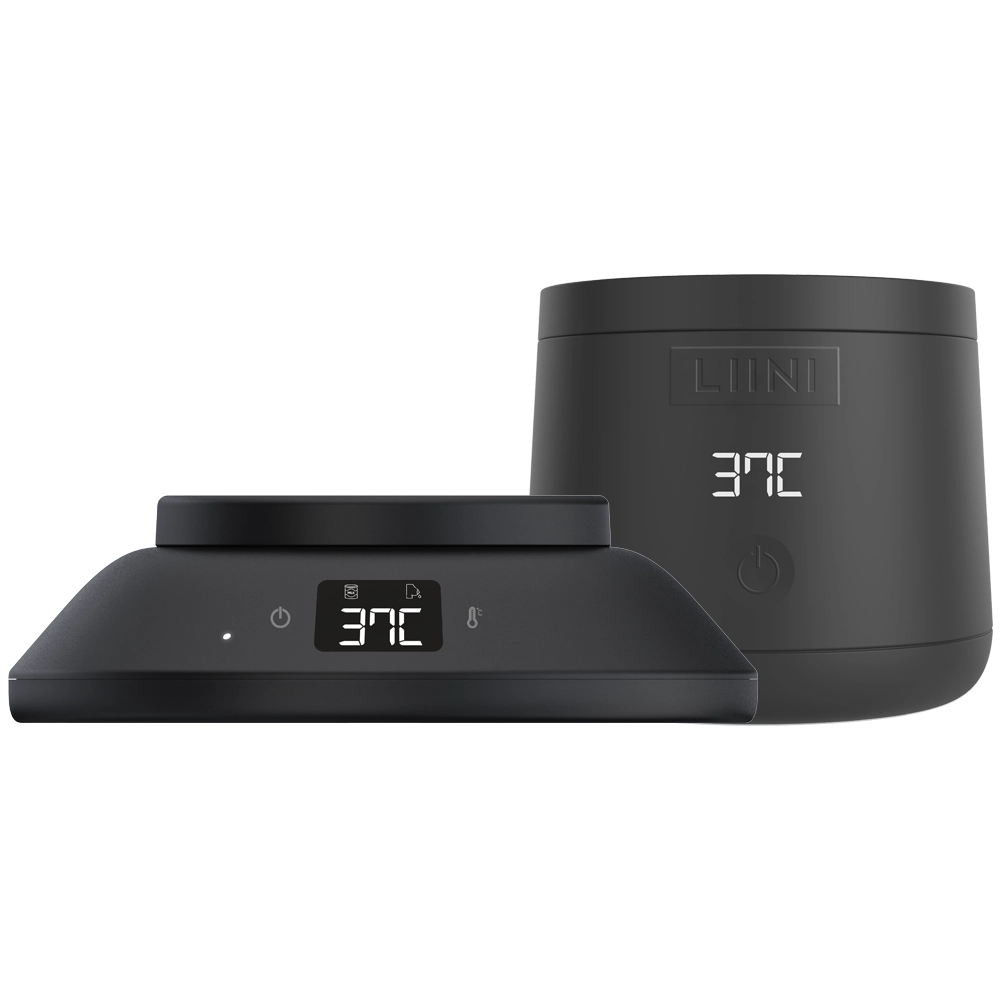
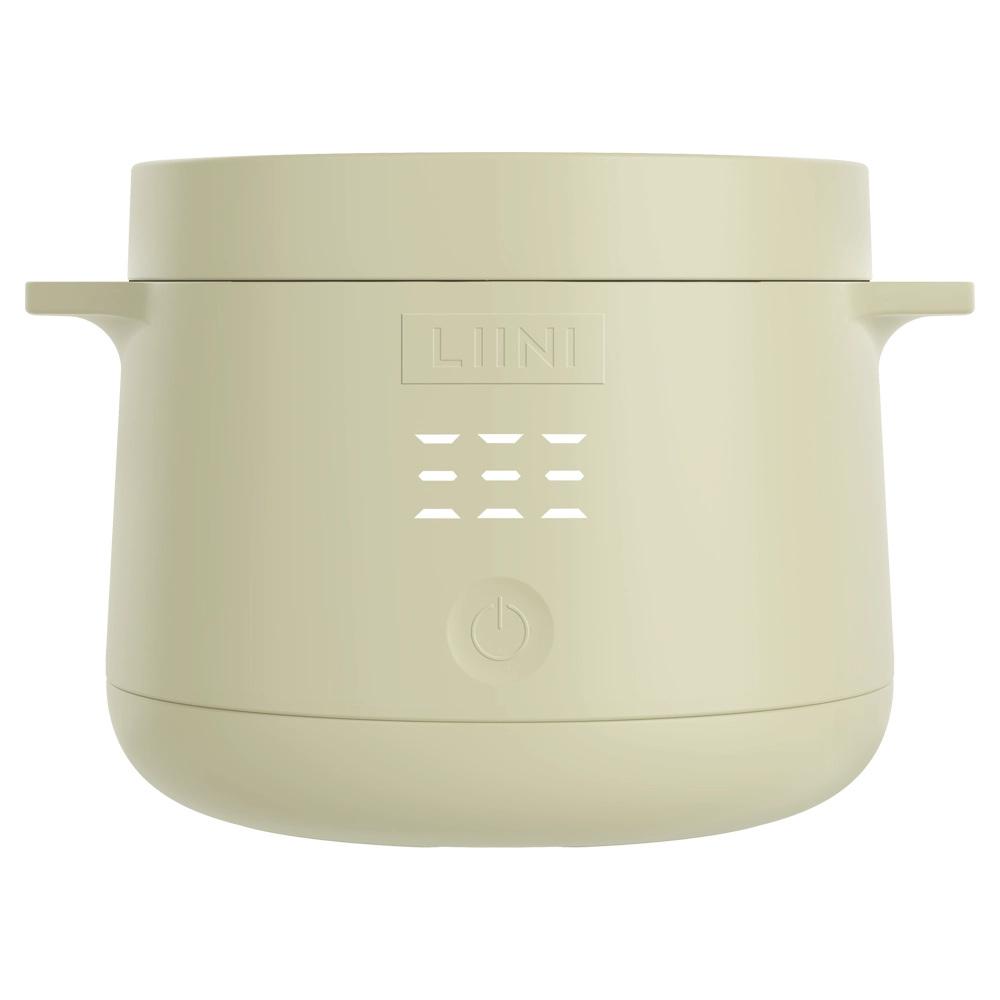
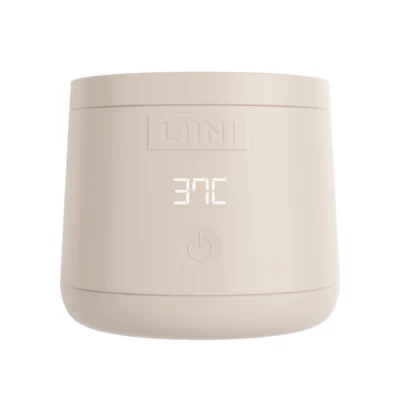
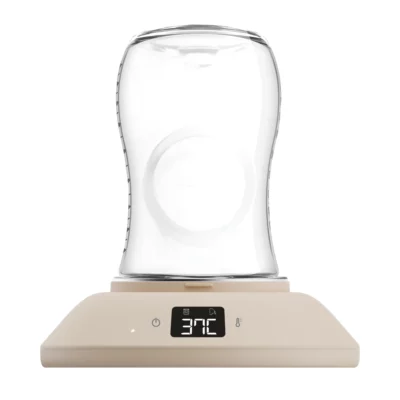
- Bottle warmer: It warms the milk evenly. The LIINI® 4.0 PRO and LIINI® Home bottle warmers have a dedicated 37°C setting for breast milk.
- Swirl: Fat settles on top. Gently swirl the milk before feeding to redistribute it.
- Check the temperature: Put a few drops on the inside of your wrist. They should feel comfortably warm, not hot.
Caution
Never heat or thaw breast milk in the microwave. It heats unevenly, and hot spots can scald your baby’s mouth. Breastfeeding Switzerland, BIÖG, the CDC, and the NHS all agree on this.
To find out exactly how warm the milk should be, read the guide “How Warm Should Baby Milk Be?”
From LIINI
Transporting Pumped Breast Milk
For trips to daycare, work, or while traveling, you’ll need a cooler bag or cooler with ice packs. According to the CDC and the NHS, refrigerated breast milk stays fresh in these for up to 24 hours. The BIÖG specifies 24 hours at 15 °C.
- Don’t put the milk in the cooler until it has been thoroughly chilled in the refrigerator.
- Place the ice packs around the containers, not just underneath them.
- Put the milk in the refrigerator immediately upon arrival.
- Label the containers for daycare with the date and name.
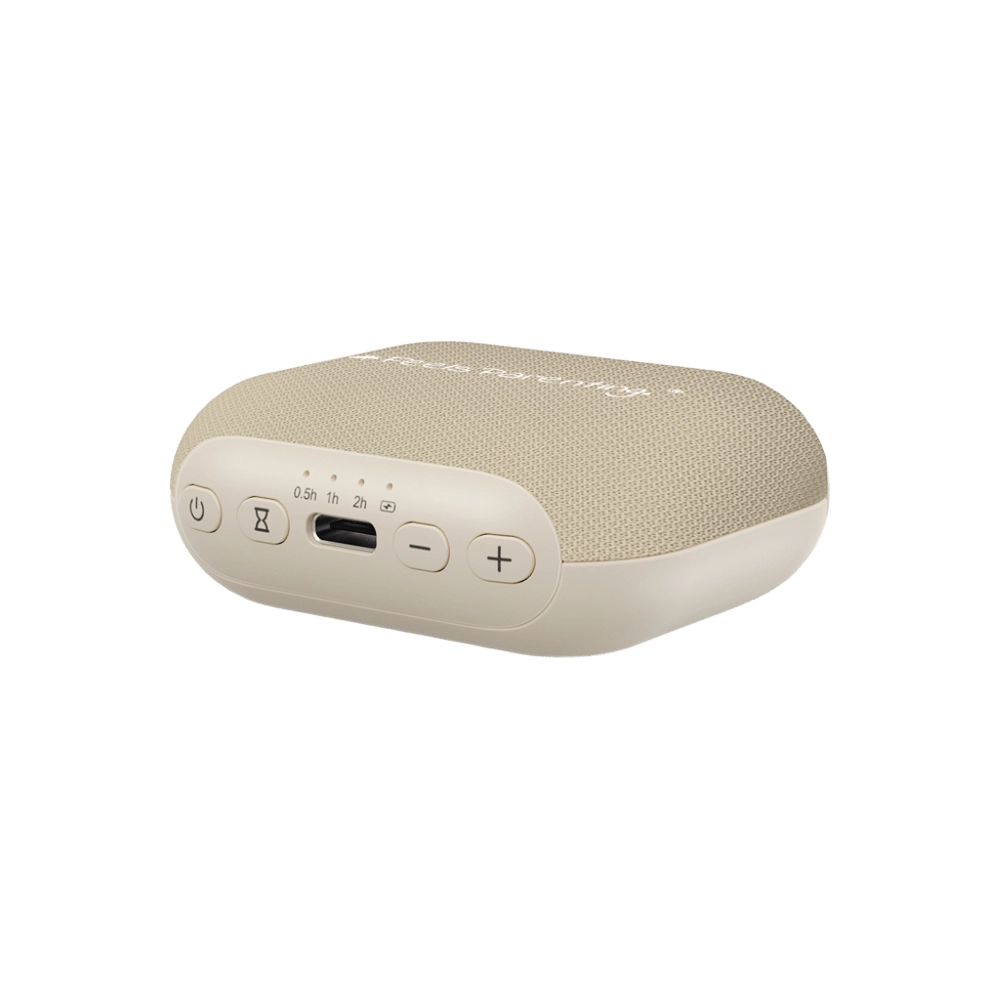
When you’re on the go, warm the milk briefly before feeding—for example, using a battery-powered bottle warmer. Our guide, “Warming Milk on the Go,” shows you how to do this without a power outlet.
Frequently Asked Questions
How long does pumped breast milk last in the refrigerator?
According to Breastfeeding Promotion Switzerland, 3 days at temperatures below 4 °C. German expert organizations and the U.S. Centers for Disease Control and Prevention (CDC) cite up to 4 days, while the British NHS states up to 8 days if stored at a constant 4 °C or colder. Store the milk at the back of the refrigerator, and if in doubt, stick to the shorter timeframe.
How long does breast milk last at room temperature?
According to Stillförderung Schweiz, 3 to 4 hours at 16 to 29 °C. German expert organizations recommend 6 to 8 hours at 15 to 25 °C, or a maximum of 4 hours in warmer temperatures. The warmer it is, the sooner the milk should be placed in the refrigerator.
How long can I freeze breast milk?
According to Stillförderung Schweiz, it will keep for 6 months in a freezer at −17 °C or colder. The CDC states that 6 months is ideal and up to 12 months is possible. According to BIÖG and the NHS, it can be stored in the freezer compartment of a refrigerator for a maximum of 2 weeks.
Can I refreeze thawed breast milk?
No. Breastfeeding Promotion Switzerland and the CDC advise against it. Store thawed milk in the refrigerator and use it within 24 hours. Discard any milk your baby doesn’t drink.
Can I mix milk from different pumping sessions?
Yes, as long as the milk has been refrigerated first. According to Gesund ins Leben, you can add refrigerated milk to milk that’s already frozen to make a single serving. Label the container with the date of the oldest milk.
Can I give leftover milk to my baby later?
Just a quick question. If your baby has drunk from a bottle, according to Breastfeeding Promotion Switzerland, you should feed the rest to your baby within 2 hours. After that, you should pour it out.
Who can help me if pumping isn’t working?
Your midwife or a lactation consultant. They’ll work with you to check the breast shield, the pump, and your pumping schedule. In Switzerland, basic health insurance covers three lactation counseling sessions with a midwife or a specially trained nurse.
Sources
- Storing Breast Milk, Breastfeeding Promotion Switzerland
- Fact Sheet: Storing Breast Milk (2025, PDF), Breastfeeding Promotion Switzerland
- Hygiene Related to Breast Milk, kindergesundheit-info.de, Federal Institute for Public Health
- Pumping, Storing, and Feeding Breast Milk, Netzwerk Gesund ins Leben
- Breast Milk Storage and Preparation, Centers for Disease Control and Prevention (CDC)
- Expressing and Storing Breast Milk, NHS
- Breastfeeding Counseling, CONCORDIA Health and Accident Insurance