
 4.0 PRObattery · on the go
 Home 230Vfor home
 Baby food warmersfrom 6 months
 Night Stationfor the night





 Cleaning Wipes Monthly Pack
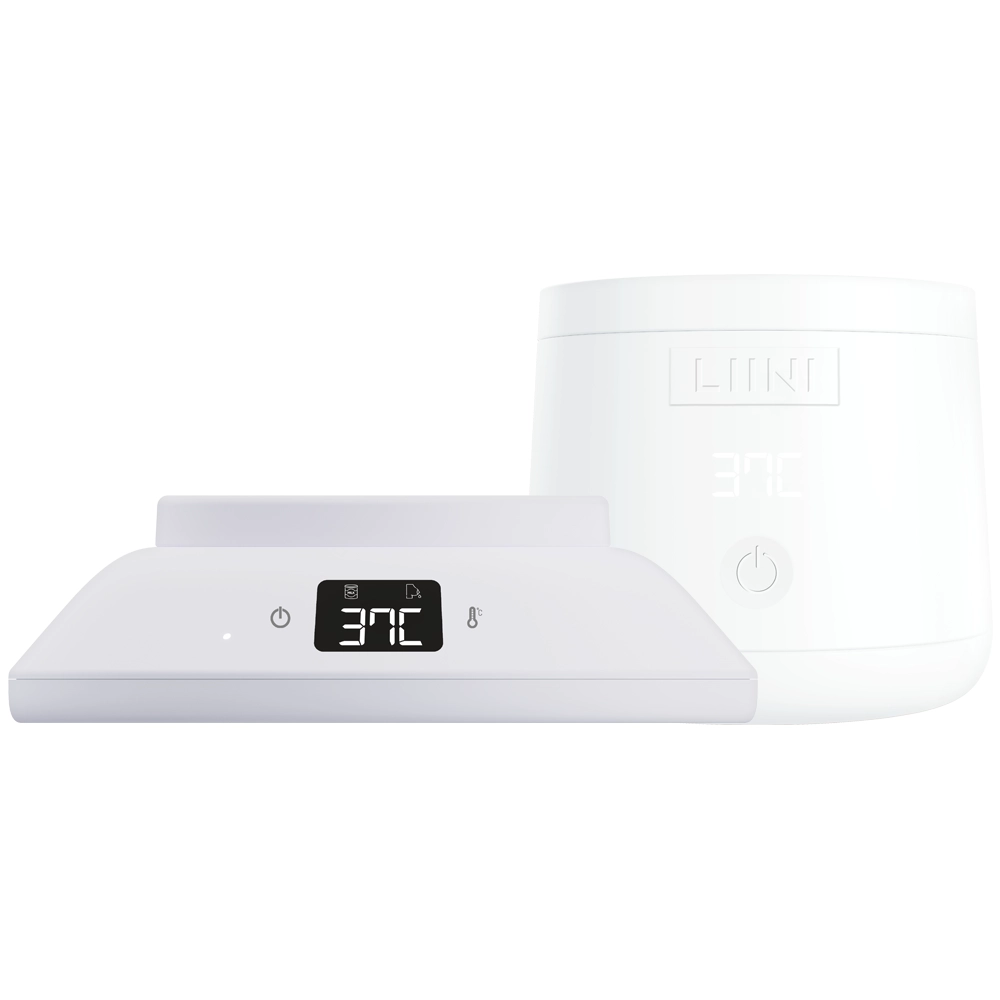 Home & 2Go Bundle
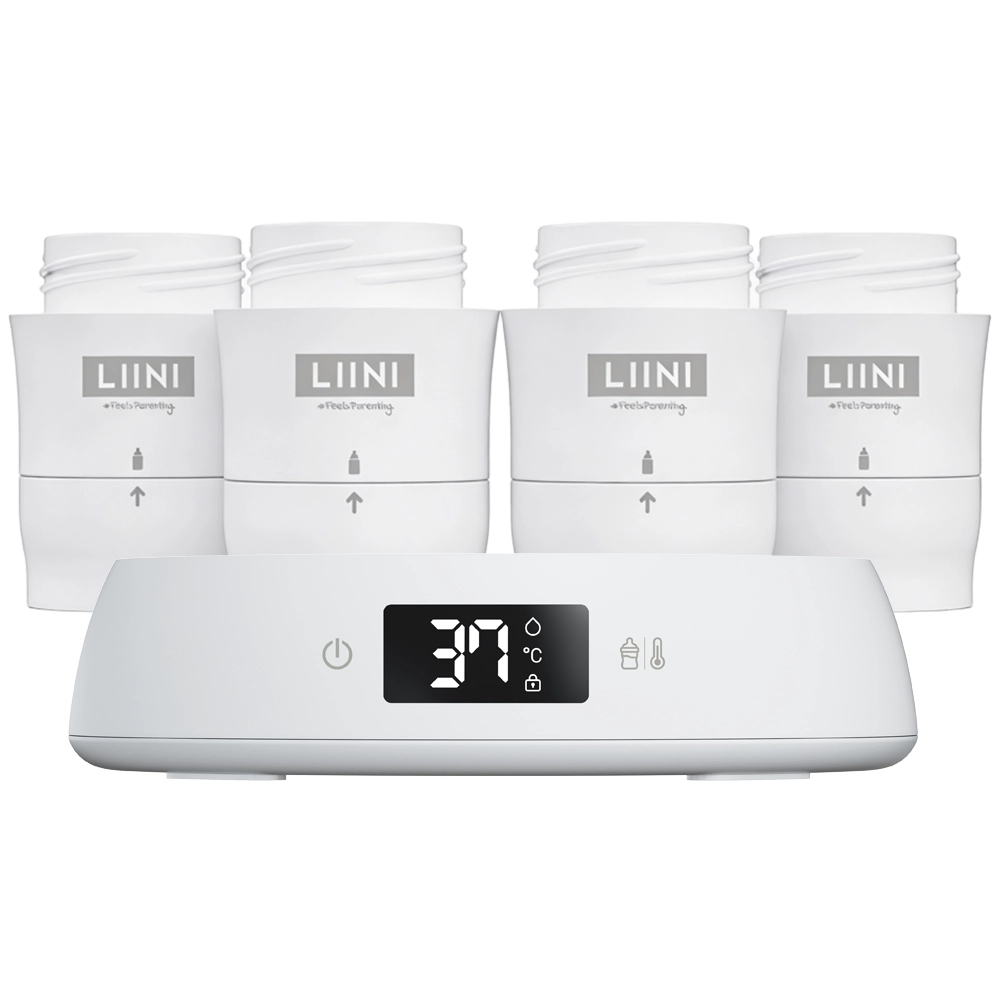 Formula Dispenser Avent
 Baby Bottle Bundle












Reflux in Babies: Spitting Up, Cow’s Milk Allergy, and What Really Helps
Many babies spit up; most of the time, it's harmless. Here you can read about when reflux should be discussed with your pediatrician, how a cow's milk protein allergy is diagnosed, and how to ensure your baby sleeps safely.
Contents
In short
About half of all babies experience reflux about once a day during the first three months, usually in the form of spitting up. This is usually harmless and goes away by the child’s first birthday. As long as your baby is feeding well, gaining weight, and seems content, there’s no need for treatment. You should see a pediatrician if your child isn’t gaining much weight, strains while drinking, or often refuses to drink. If you’re vomiting green, bloody, or in a torrent, see a doctor immediately; if you’re having trouble breathing, call 911. An allergy to cow’s milk protein can cause similar symptoms and should always be evaluated by a doctor.
Does your baby spit up after almost every bottle or after breastfeeding? Reflux in babies is very common and is usually nothing to worry about. Here you can read about when spitting up is a normal part of a child’s development, when it might be caused by a cow’s milk protein allergy, and what can help.
Reflux in Babies: Why So Many Babies Spit Up
Reflux occurs when stomach contents flow back into the esophagus. According to the NHS, the muscle ring in a baby’s esophagus is often still weak, which is why milk comes back up easily. As he gets older, he’ll get stronger, and the reflux will stop.
According to the Professional Association of Pediatricians (BVKJ), about half of all infants experience reflux about once a day during their first three months of life, usually in the form of spitting up. By the age of one, only about 5% of babies still have reflux. According to the NHS, it usually begins before the 8th week of life.
It’s common for your baby to spit up milk during or shortly after feeding, to cough while feeding, or to have hiccups.
Reflux or reflux disease? When to See the Pediatrician
The professional organizations ESPGHAN and NASPGHAN distinguish between the two: Reflux alone is normal. Reflux disease (GERD) is only diagnosed when reflux causes bothersome symptoms or complications. According to the BVKJ, symptoms in infants include hyperextension during feeding, restlessness, poor weight gain, and refusal to eat.
The traffic light system summarizes the warning signs identified by the NHS, BVKJ, and ESPGHAN/NASPGHAN. If you’re not sure, give the office a call.
Caution
If your baby is having trouble breathing or pauses while breathing, if their lips or skin turn blue or gray, if their lips, tongue, or face swell, if they have a seizure, or if they are difficult to wake up, call emergency services immediately: 144 in Switzerland or the Europe-wide number 112. If your baby is under 3 months old and has a fever of 38 °C or higher, or hasn’t had a wet diaper in 12 hours, go to the pediatric emergency room immediately.
Sandifer syndrome is rarely the cause of severe hyperextension: The baby tenses up and bends its neck and back backward. According to the NASPGHAN and ESPGHAN guidelines (2009), it is a rare but characteristic form of reflux disease. Such episodes should always be evaluated by a doctor.
Cow’s Milk Protein Allergy in Infants: Signs and Diagnosis
In the case of a cow’s milk protein allergy, the immune system reacts to proteins found in cow’s milk. According to ESPGHAN, it has been confirmed in less than 1% of infants and children, but it is suspected much more frequently. Nevertheless, it is the most common food allergy in infancy, according to a report by the Nutrition Counseling Service at the University Children’s Hospital of Both Basel (UKBB, 2016). The NHS points out that the symptoms can be very similar to those of reflux.
Possible Signs
- Immediate reactions shortly after drinking: eczema, hives, or swelling; difficulty breathing; in the worst case, anaphylactic shock (UKBB, aha! Swiss Allergy Center). If you experience shortness of breath or facial swelling, call 144 or 112 immediately (Healthier Together, NHS).
- Delayed reactions occurring hours to days later, primarily in the gastrointestinal tract: vomiting, reflux, diarrhea or constipation, mucus or blood in the stool, abdominal pain, eczema (Healthier Together, NHS)
None of these signs indicate an allergy; many babies without allergies also exhibit them.
Here’s How the Assessment Works
According to aha!, a delayed-onset cow’s milk allergy is… Confirmed by the Swiss Allergy Center through a medically supervised elimination diet followed by reintroduction. Skin and blood tests can also be helpful in cases of immediate reactions. The UKBB recommends a 2- to 4-week elimination phase for gastrointestinal symptoms. The pediatrician determines how to reintroduce milk: In the event of an immediate reaction or a positive allergy test, this should only be done under medical supervision; in the case of delayed reactions, it can also be done at home according to a doctor’s plan (UKBB, ESPGHAN). Never give your baby milk again on your own after an immediate reaction.
Only when the symptoms return is the allergy considered confirmed. If there is no improvement during the weaning phase, the doctor will review the diet and look for another cause (ESPGHAN). According to ESPGHAN, a cow’s milk allergy is more likely to be misdiagnosed than to be overlooked. Both can harm your baby.
What should your baby be fed if they have a cow’s milk protein allergy?
If your baby is fed infant formula, ESPGHAN recommends that an extensively hydrolyzed special formula with highly broken-down protein be the first choice. Amino acid-based nutrition is intended for severe cases. Your pediatrician will determine what kind of food your baby needs. Prepare it according to the package instructions and with the same hygiene standards as you would for any bottle; see “Preparing a Bottle.”
Caution
Goat’s or sheep’s milk are not substitutes: The protein casein is found in all animal milks, and most babies with a cow’s milk allergy also react to it (aha!, UKBB). Pediatrics Switzerland also advises against using soy-based infant formula for treatment. According to the UKBB, plant-based beverages made from oats, rice, or soy are not a substitute for infant formula for babies under one year of age. According to the NHS, rice drinks are completely unsuitable for children under four and a half years old. Never change your baby’s diet without consulting a doctor.
The good news: According to the UKBB, about half of infants can tolerate cow’s milk again by their first birthday, and by the time they start school, that figure rises to about 90%. The pediatrician will decide when you should try again.
What Can Help Prevent Spitting in Everyday Life
If your child has mild reflux, there are a few things you can try on your own, as recommended by the NHS, the American Academy of Pediatrics (AAP), and ESPGHAN/NASPGHAN:
- Smaller meals, but more frequently. The AAP recommends smaller portions at shorter intervals. According to ESPGHAN/NASPGHAN, the amount and frequency should be appropriate for the child’s age and weight.
- Burp your baby during the meal. Don’t just burp your baby after the meal, but also during it.
- Hold Your Baby Upright: According to the NHS, hold your baby upright while feeding and for as long as possible afterward; according to the AAP, for at least 20 minutes. Elevating your head with pillows, towels, or positioning aids is only recommended during periods when you’re awake and present. When it’s time to sleep, lay your baby flat on his or her back.
- After that, take it easy. According to the AAP, it’s best to avoid rough play right after drinking.
- Have your baby’s feeding technique checked. A midwife, lactation consultant, or parent counseling service can help you with this.
If you carry your baby in a baby carrier or a wrap after feeding, hold the baby upright with the face uncovered: According to the Lullaby Trust, the baby should always be within your line of sight, and the chin should not rest on the chest. If your baby falls asleep in a baby carrier, car seat, or baby bouncer, the AAP recommends placing them on their back in their crib as soon as possible. For more information, see the guide “Baby Carriers: When to Start?”
Good to Know
If your baby is fed infant formula and suffers from reflux, thickened formula (AR formula) can reduce visible spitting up, according to ESPGHAN/NASPGHAN. This is a special formula; only give it to your child after consulting with your pediatrician. If you’re breastfeeding, reflux isn’t a reason to stop. According to the guidelines, acid blockers are not necessary as long as there are no warning signs and the reflux does not interfere with drinking, growth, and development.
Sleep Safely Despite Reflux
Many parents worry that their baby might choke while lying on its back. According to the AAP, the gag reflex and the structure of the airways provide protection against this. That’s why the same applies to reflux:
| Question | Recommendation |
|---|---|
| Sleeping Position | on their back (AAP, NHS, ESPGHAN/NASPGHAN) |
| Document | Firm, flat mattress in the child’s own crib (Zurich Children’s Hospital, AAP) |
| Raise the headboard | No, not recommended by the NHS and the AAP |
| Wedge Pillows and Positioning Aids | No, not recommended by the AAP: Benefits not proven, safety not tested |
| Lie at an angle, such as in anti-reflux seats | No, according to the AAP, an incline of more than 10 degrees is not safe. |
| Car seat, baby bouncer, or swing for sleeping | No, according to the AAP, it’s not a safe place to sleep |
| On one’s side or on one’s stomach | only while awake and under supervision |
The ESPGHAN and NASPGHAN guidelines explicitly advise against treating reflux during sleep by elevating the head of the bed or having the child sleep on their side or stomach. Learn more about safe sleeping arrangements in the guide to Moses baskets and baby cradles.
Breastfeeding with Reflux and Cow’s Milk Protein Allergy
If your breastfed baby spits up a lot, the NHS recommends having your breastfeeding position checked—for example, by a lactation consultant. According to ESPGHAN/NASPGHAN, breastfeeding should continue to be encouraged in cases of mild reflux.
According to ESPGHAN, cow’s milk allergy is rare in exclusively breastfed babies. If there is still a concern, your doctor may suggest that you avoid cow’s milk for 2 to 4 weeks while continuing to breastfeed. After that, you’ll start eating dairy products again to see if the symptoms return. The “aha!” moment The Swiss Allergy Center emphasizes: Even if an allergy has been confirmed, breastfeeding mothers do not generally need to follow a dairy-free diet.
If you’re avoiding dairy products on your doctor’s advice, according to ESPGHAN, you’ll need an additional 1 g of calcium and 600 IU of vitamin D per day. Nutrition counseling can help you eat a balanced diet.
Our Experience: Emergency, Sandifer Syndrome, and Cow’s Milk Protein Allergy
Good to Know
Personal Experience: LIINI co-founder Olivia Wyss wrote this account about her daughter in 2021 for the first draft of this article; here is an abridged version. This describes an individual case and is not a substitute for a medical evaluation.
At Easter 2021, we were about to put her to bed when she suddenly arched her back, screamed, and then couldn’t breathe anymore. We immediately called 911 and drove to the children’s hospital with the emergency lights on. She was examined by specialists in neurology and gastroenterology, as well as by nutrition and breastfeeding counselors; all results were normal. After a few days of observation, we were allowed to go home, but another episode occurred the very next day. Another emergency, again nothing out of the ordinary—our daughter was given an acid-blocker. An EEG ruled out epilepsy.
During his hospital stay, we searched for explanations and came across Sandifer syndrome. The trigger for our daughter was a cow’s milk protein allergy. Giving up dairy products wasn’t easy at first, but since then, our daily lives have been much more relaxed. Most importantly, our daughter is doing well.
In the first draft, we had also suggested a reflux seat with a raised headrest for lying down and sleeping, as well as goat’s milk-based formula. We also wrote that breastfeeding mothers should avoid dairy products entirely and that milk warmed to 40 to 45 °C helps with reflux. According to current expert recommendations, this is not tenable; the reasons are stated above.
Frequently Asked Questions
How much spitting up is normal for a baby?
According to the BVKJ, about half of all infants experience reflux about once a day during the first three months. What matters most isn’t so much the amount as how your baby is doing: If your baby is feeding well, gaining weight, and seems content in between feedings, spitting up is usually harmless.
When does reflux stop in babies?
According to the NHS, reflux usually improves by a child’s first birthday. According to the BVKJ, only about 5% of babies still have reflux by the time they are one year old. If your child is still spitting up after that, or if the spitting up doesn’t start until after six months, have a doctor examine them.
What is silent reflux?
In silent reflux, milk rises up but does not come out of the mouth. According to the NHS, your baby may still show signs such as coughing, restlessness while feeding, or frequent swallowing afterward. If your baby is often fussy, talk to your pediatrician.
Can my baby with reflux sleep in an elevated position or on his or her stomach?
No. Babies with reflux also sleep flat on their backs, as recommended by the AAP, the NHS, and the guidelines from ESPGHAN and NASPGHAN. The Children’s Hospital in Zurich generally recommends placing every baby on their back to sleep. Lying on their tummy is a great way to play, but only if your baby is awake and you’re there with them.
If I suspect my baby has a cow’s milk allergy, can I switch to goat’s milk or oat milk?
No. Most babies with a cow’s milk allergy are also allergic to goat’s and sheep’s milk, and plant-based beverages are not a substitute for infant formula during the first year. The pediatrician will select the appropriate special formula.
Does warmer milk help with reflux?
We have not found any evidence to support this: The guidelines and information for parents cited in this article do not mention milk temperature as a remedy for reflux. Serve the milk at the temperature your baby likes, but never hot. For more information, see the guide ” How Warm Should Baby Formula Be?“
Sources
- Reflux in Babies, NHS
- When to Seek Urgent Medical Help for Babies and Children Under 5, NHS
- Cow’s Milk Allergy, Healthier Together, NHS
- Information for Parents: Safe and Healthy Sleep, University Children’s Hospital Zurich
- Emergency Department, University Children’s Hospital Zurich
- Milk as an allergen—oh, I see! Allergy Center Switzerland
- Cow’s Milk Protein Allergy in Infants and Toddlers, E. Dürr, UKBB Nutrition Counseling, Pediatrics 2/2016
- Recommendations for Infant Nutrition (2017), Pediatrics Switzerland
- Overfeeding can be a sign of reflux disease in infants, kinderaerzte-im-netz.de (BVKJ)
- Clinical Practice Guidelines for Pediatric Gastroesophageal Reflux (2018), NASPGHAN and ESPGHAN
- Clinical Practice Guidelines for Pediatric Gastroesophageal Reflux (2009), NASPGHAN and ESPGHAN
- An ESPGHAN Position Paper on the Diagnosis, Management, and Prevention of Cow’s Milk Allergy (2024), ESPGHAN
- What is the safest sleeping arrangement for my baby who has reflux?, HealthyChildren.org (AAP)
- How to Keep Your Sleeping Baby Safe: AAP Policy Explained, HealthyChildren.org (AAP)
- Why Babies Spit Up, HealthyChildren.org (AAP)
- Baby Slings and Carriers, The Lullaby Trust
- European Emergency Number 112, Office of the Federal Chancellor of Austria