
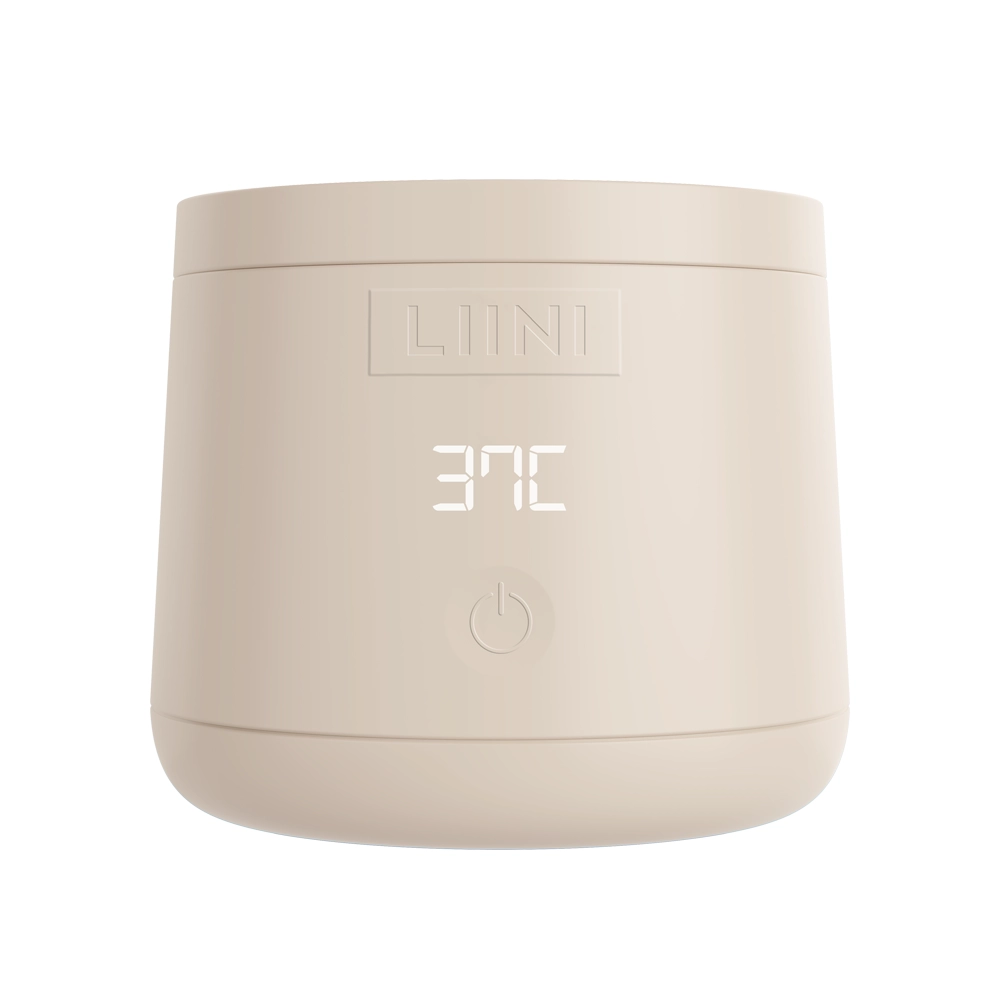
 4.0 PRObattery · on the go
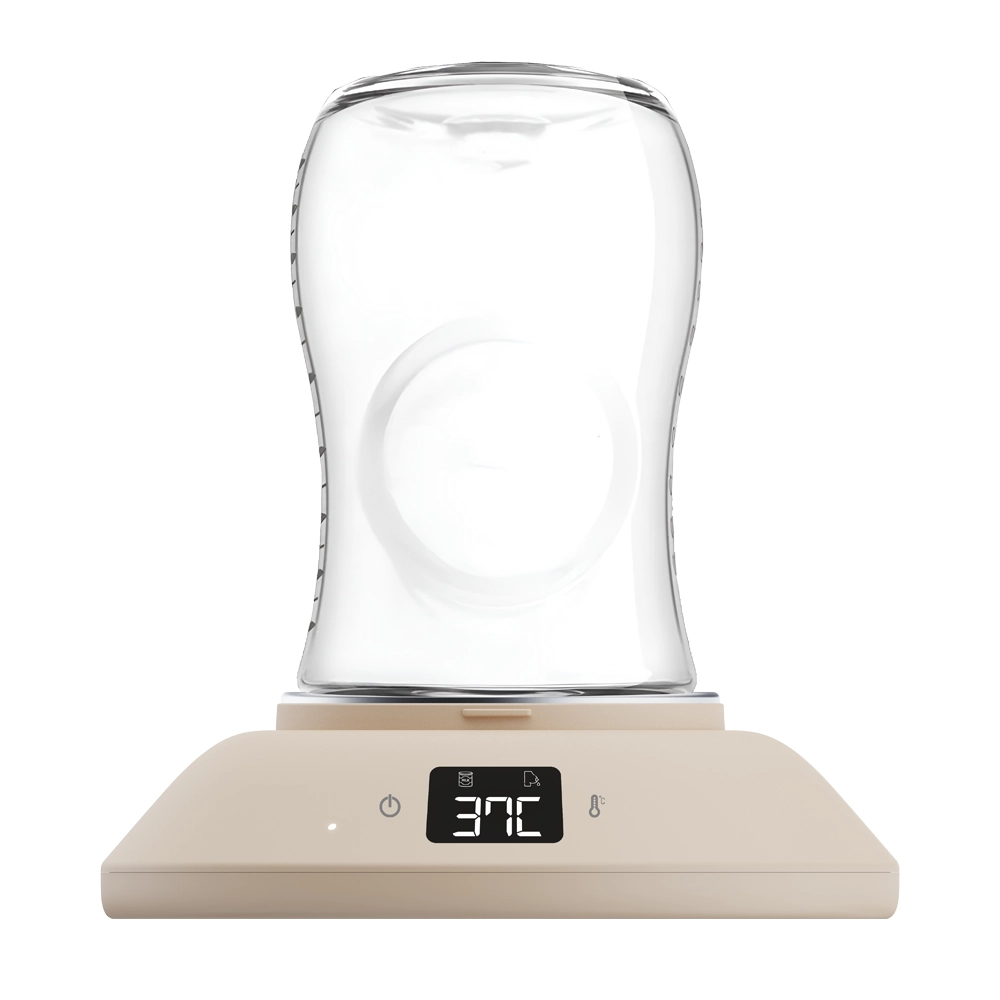 Home 230Vfor home
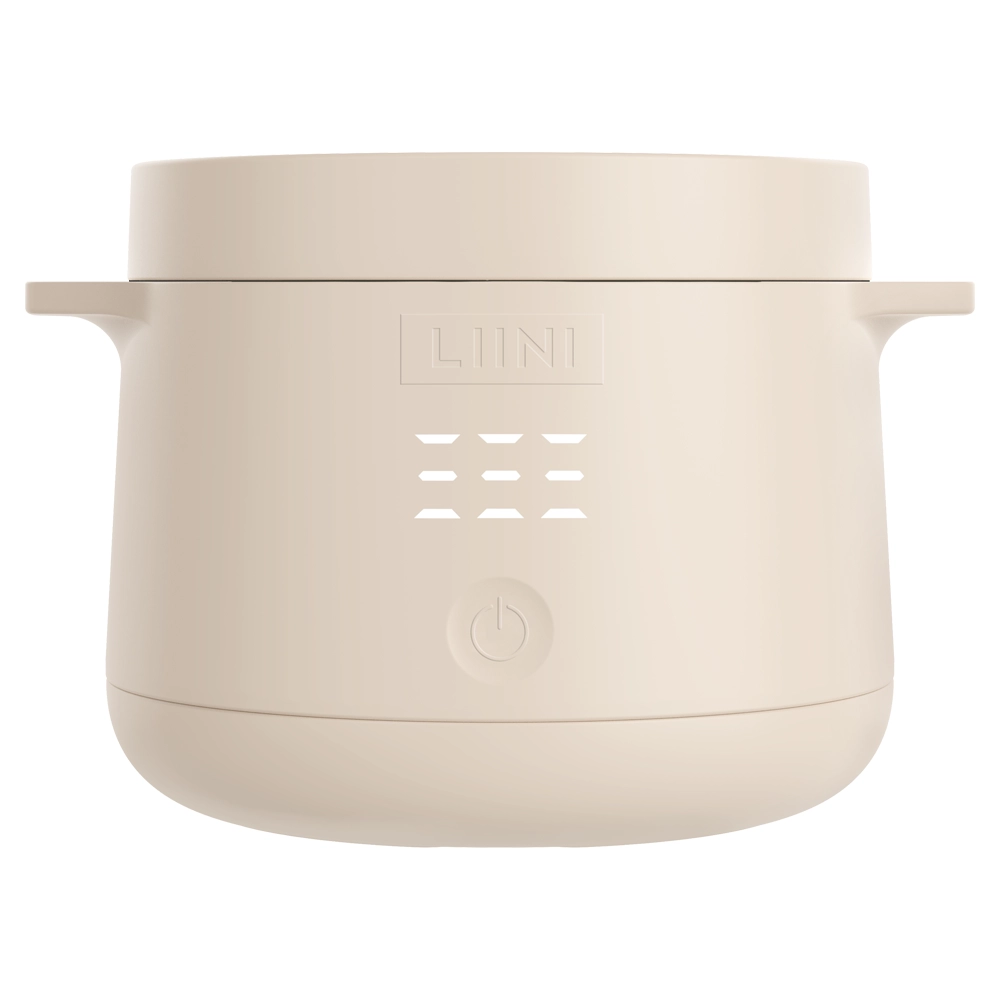 Baby food warmersfrom 6 months
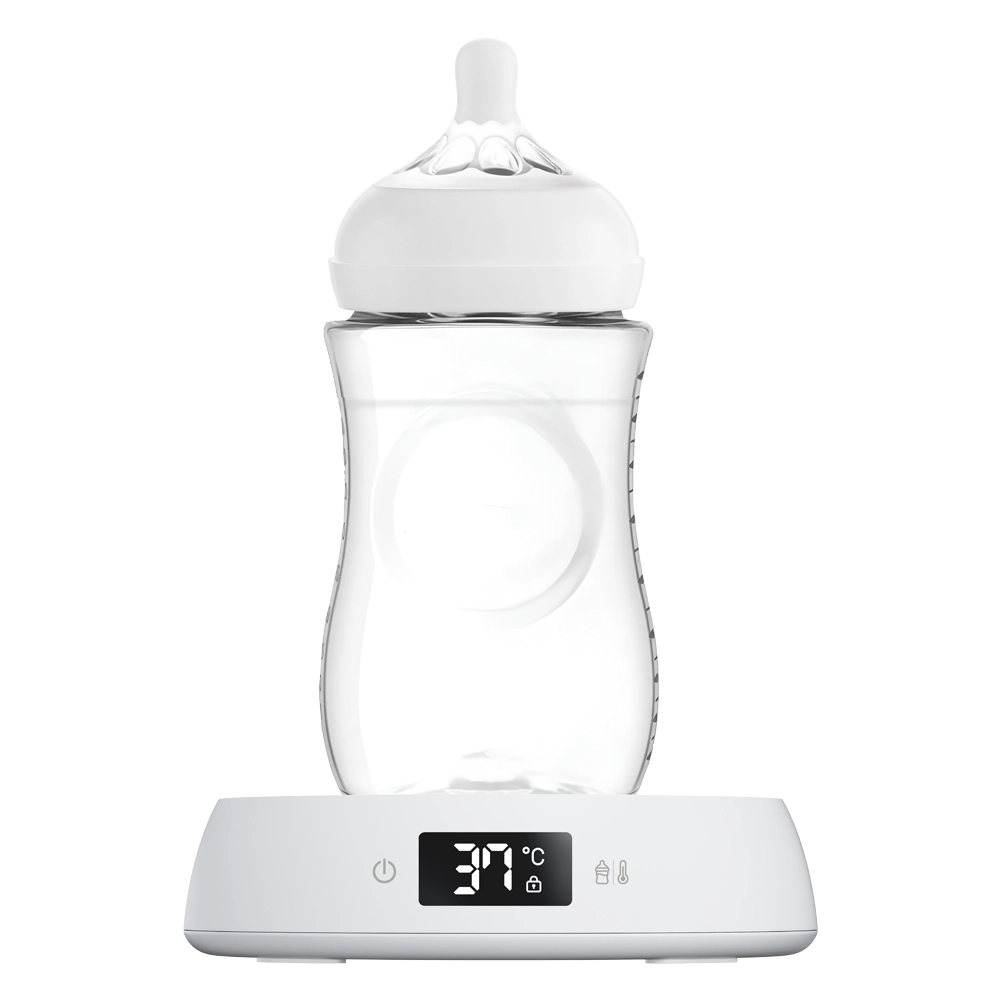 Night Stationfor the night




 Cleaning Wipes Monthly Pack
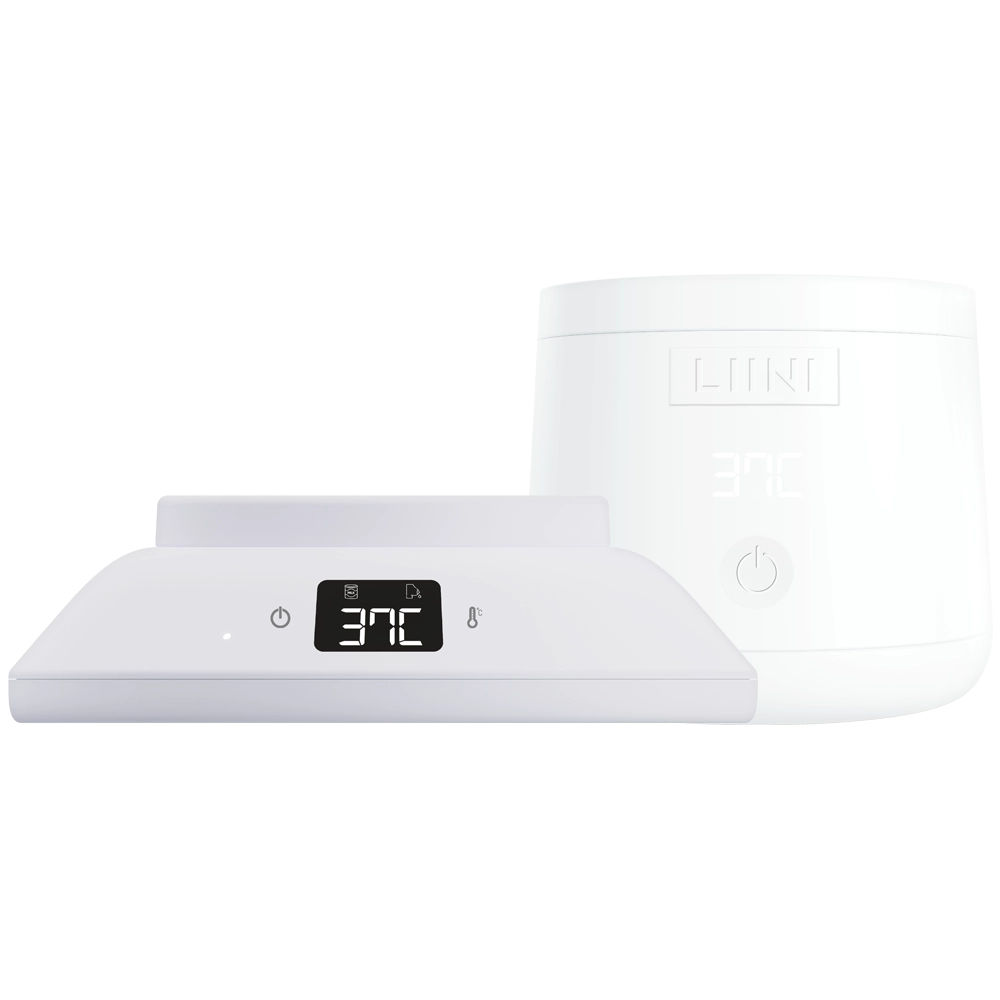 Home & 2Go Bundle
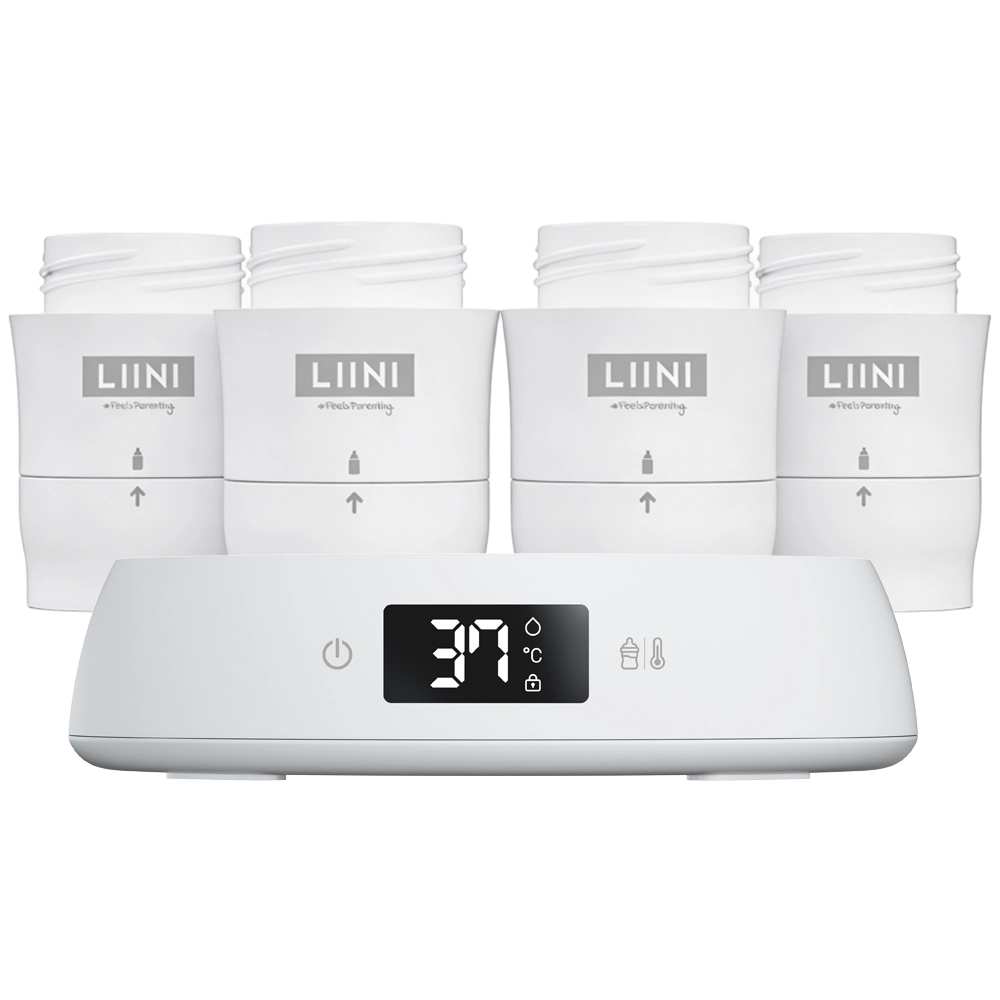 Formula Dispenser Avent
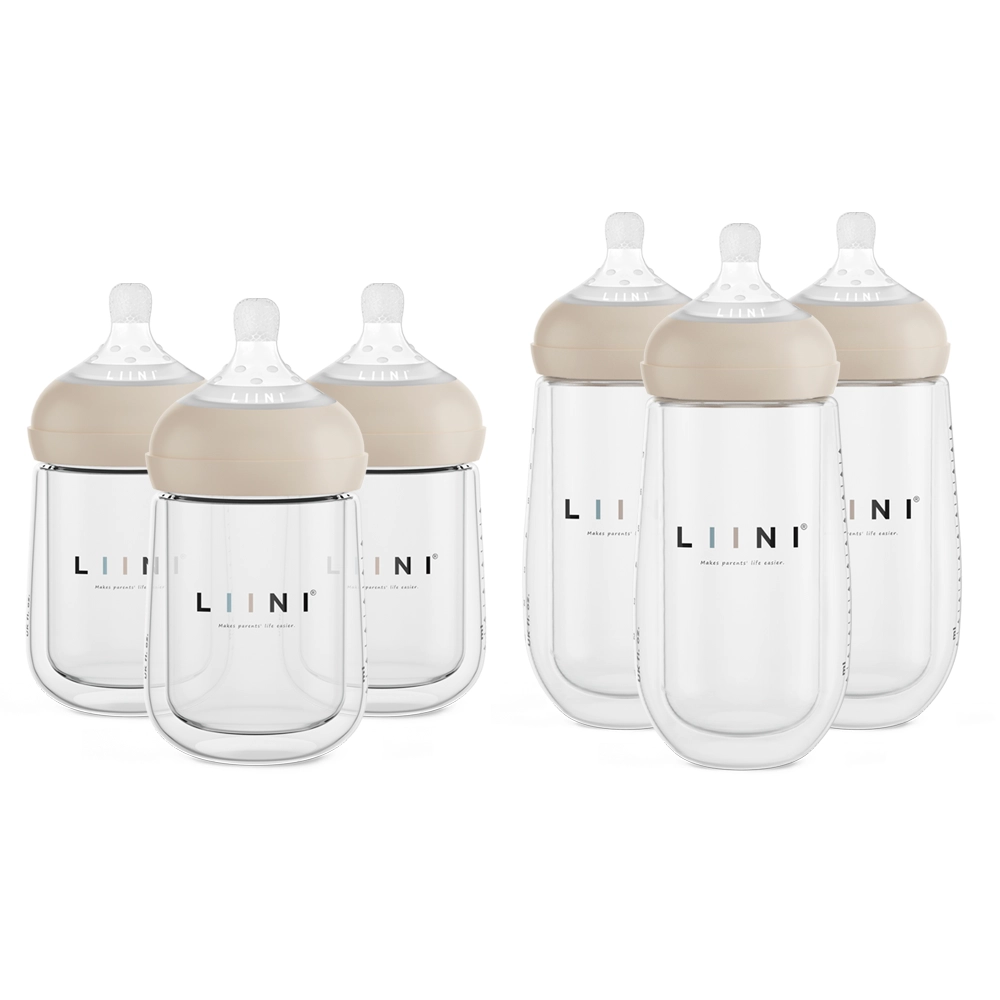 Baby Bottle Bundle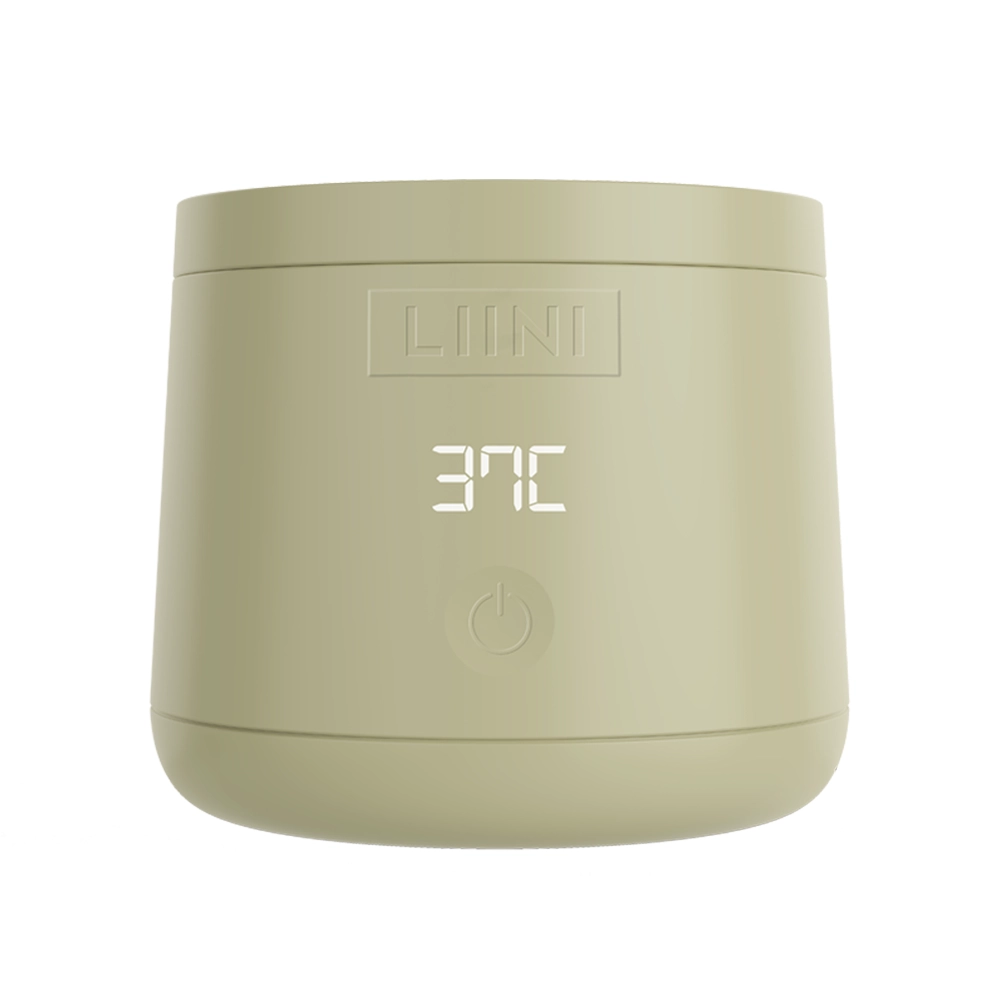












Carrot Puree with Apple for Babies: A Simple Recipe
Carrot puree with apple is a classic first baby food: a recipe for 2 servings with a video, tips on age, consistency, whether to use raw or steamed apples, and how to freeze it.
Contents
In short
To make carrot puree for your baby, simmer carrots and an apple in a little water until tender, puree everything until smooth, and stir in some canola oil—it’ll be ready in about 25 minutes. It is suitable once solid foods are introduced—that is, no earlier than the beginning of the 5th month and no later than the beginning of the 7th month—because, according to the BLV, carrots are considered low-nitrate vegetables. You don’t need salt or sugar; it will keep in the refrigerator for up to 24 hours, in the freezer for up to 2 months, and you should only reheat each serving once.
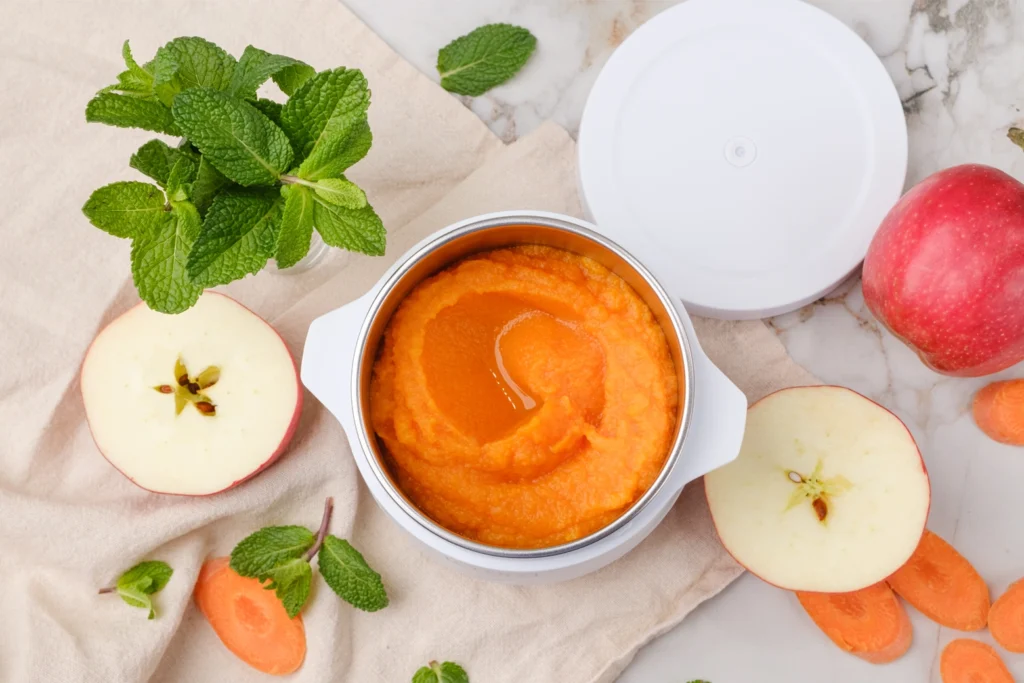
Carrot puree is a classic choice for starting solid foods: The fact sheet from the Swiss Society for Nutrition (SGE) lists carrots as the first example of a vegetable puree. With a little apple, it tastes mild and fruity.
Recipe: Carrot-Apple Puree
- Age: starting with the introduction of solid foods
- Servings: 2
- Prep time: 10 minutes
- Cooking time: 15 minutes
- Freezing: suitable
Ingredients for 2 servings
- 200 g carrots, about 2–3 medium-sized
- 100 g apple, about 1 small one
- 100 g potatoes, about 1 medium-sized potato (Note: Omit this if your baby is just starting to try vegetables)
- 100 ml water, about 7 tablespoons
- 2–4 teaspoons of canola oil (10–20 ml), or 1–2 teaspoons per serving
Preparation
- Get ready. Wash your hands. Wash and peel the carrots, potatoes, and apple; remove the core from the apple; and chop everything into small pieces, slicing the carrots into thin rounds.
- Place the carrots and potatoes in a small pan (saucepan) with the water, cover, bring to a boil, and let simmer for about 10 minutes without adding salt, spices, or bouillon.
- Sauté the apples. Add the apple pieces and sauté everything, covered, for another 5 minutes, until the carrots and potatoes are very tender.
- Puree: Drain off the remaining cooking water and puree everything until smooth. If the porridge is too thick, add a little fresh water.
- Stir in the oil: Stir in 1–2 teaspoons of canola oil per serving.
- Let it cool and serve. Let one serving cool to lukewarm, stir it, and check the temperature with your own spoon. Cool the second one quickly right away and put it in the refrigerator or freezer.

When is it okay to start feeding a baby carrot puree? Age and Consistency
You should start introducing solid foods no earlier than the beginning of the 5th month and no later than the beginning of the 7th month, as soon as your baby shows signs of being ready to start eating solid foods. Carrots are a great place to start: When introducing solid foods in the 5. or In the 6th month, the Federal Office for Food Safety and Veterinary Affairs (BLV) recommends low-nitrate vegetables such as carrots, squash, or broccoli.
- Step by step: Start with just carrots, finely pureed and mixed with 1 tsp canola oil, as described in the SGE fact sheet. According to the BLV, try each new food for a few days before adding the next one; this will help you identify any food intolerances. You can introduce potatoes and meat once your baby is familiar with some vegetables and fruits.
- Make it coarser: Start by pureeing it until smooth; later, according to the BLV, the puree can be coarser. “Eating Right from the Start,” a guide from Austria, recommends coarsely pureed or mashed foods between 6 and 9 months, and sliced or chopped foods between 9 and 12 months.
- Finger foods: According to the SGE, you can start offering cooked vegetables cut into pieces starting no earlier than the 7th month. To do this, steam or simmer firm carrots and apples until they’re tender, according to the British National Health Service (NHS). More about baby-led weaning.
Carrots and Apples: Good to Know
- Apples, raw or steamed: According to the BLV, fruit is easier to digest when lightly steamed. However, to preserve the vitamins, the BLV recommends serving fruit raw as well: Finely grate the peeled apple and stir it in after pureeing.
- Why oil belongs in carrot puree: According to the BLV, canola oil provides valuable fatty acids. In addition, the carotenoids in carrots are fat-soluble, which is why the German Federal Center for Nutrition (BZfE) recommends always adding a little oil or fat.
- Organic and Open-Field: According to the BLV, organic vegetables contain less nitrate than conventional ones, and open-field vegetables contain less than those grown in greenhouses.
- Storing Properly: According to the BZfE, carrots will keep for at least 7 to 10 days in the vegetable crisper of the refrigerator. Store them separately from apples; otherwise, they’ll ripen faster.
Variants
- With meat or fish: According to the BLV, meat should be included regularly by the 7th month at the latest; the BLV recipe calls for 10 g per serving. For 2 servings, cook 20 g of lean meat or boneless fish, such as salmon, cut into small pieces, from the start until everything is thoroughly cooked.
- Vegetarian: Instead of meat, cook 20 g (2 tbsp) of whole-grain rolled oats. Apples are a good choice here, because, according to *Gesund ins Leben*, adding more fruit juice or fruit puree increases the absorption of iron from grains and vegetables. Don’t add milk; it reduces iron absorption.
- A pear instead of an apple: It works just as well. The BLV and SGE recommend grated apples or pears for a baby’s first spoonfuls.
- Other vegetables: Replace half of the carrots with parsnips, as in the sweet potato and parsnip puree, or with pumpkin, as in the pumpkin and rice puree.
Storage, Freezing, and On the Go
According to the BLV, carrots are among the vegetables with low nitrate content. So you can easily make this baby food ahead of time, as described in the guide “Making Your Own Baby Food ”:
- Refrigerator: According to the BLV, if it is cooled quickly, it will keep for up to 24 hours.
- Freezer: According to the BLV and the German Federal Institute for Public Health (BIÖG), it will keep for up to 2 months at −18 °C, preferably in small cups or an ice cube tray labeled with the date.
- Reheating: Just before feeding, warm the porridge in a double boiler or in the microwave, stir well, and check the temperature. Reheat each serving only once; throw away any leftovers.
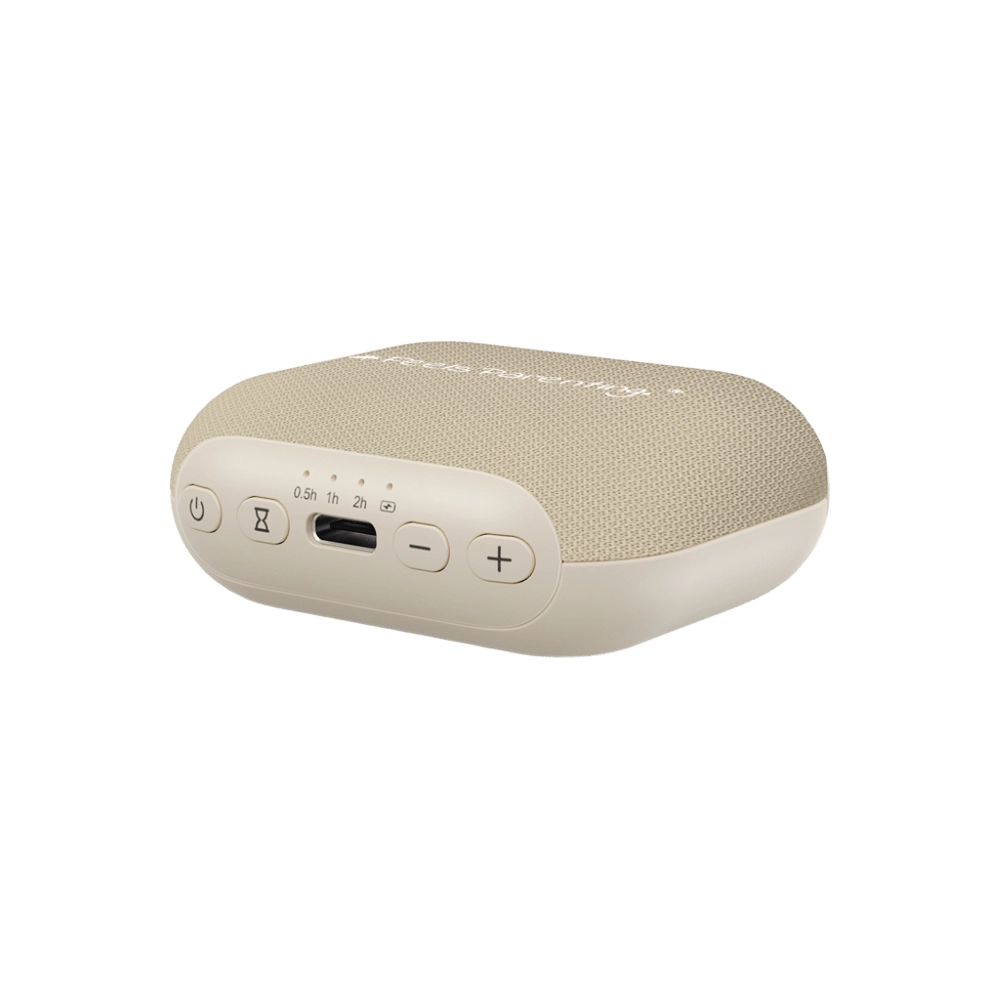
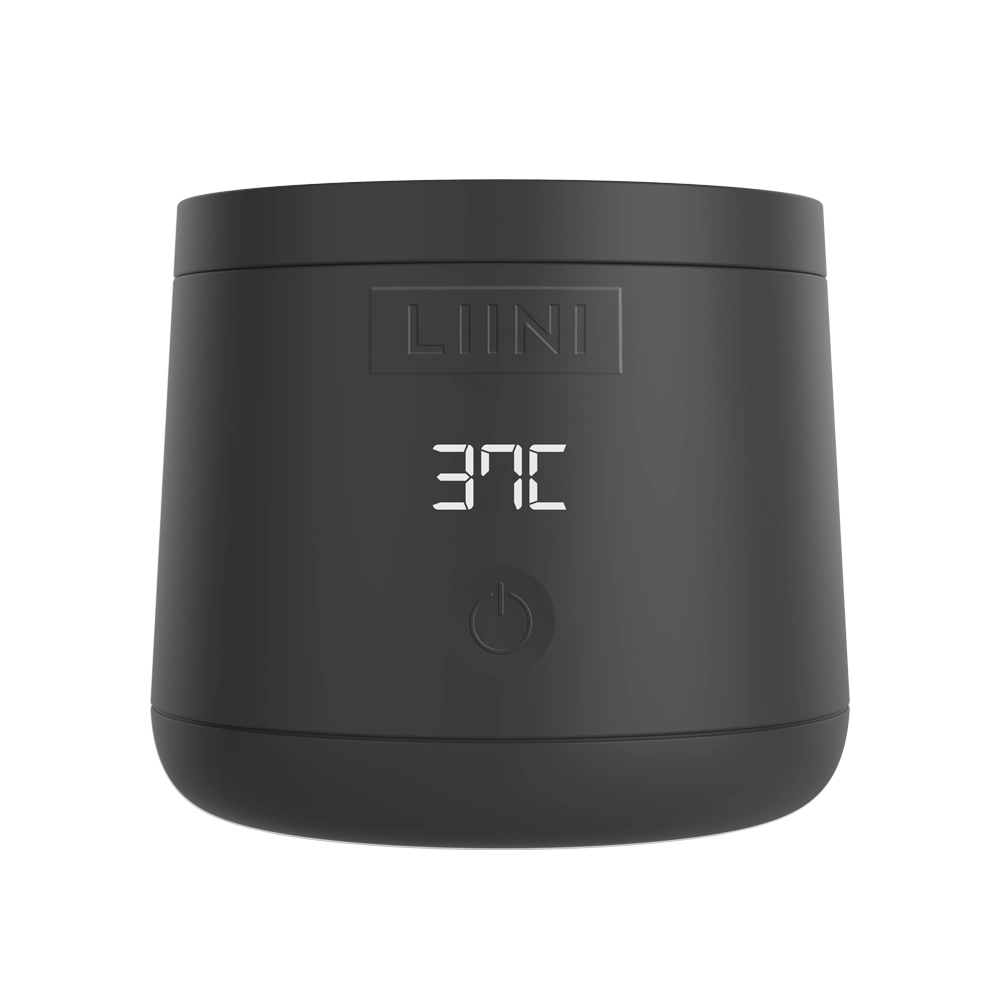
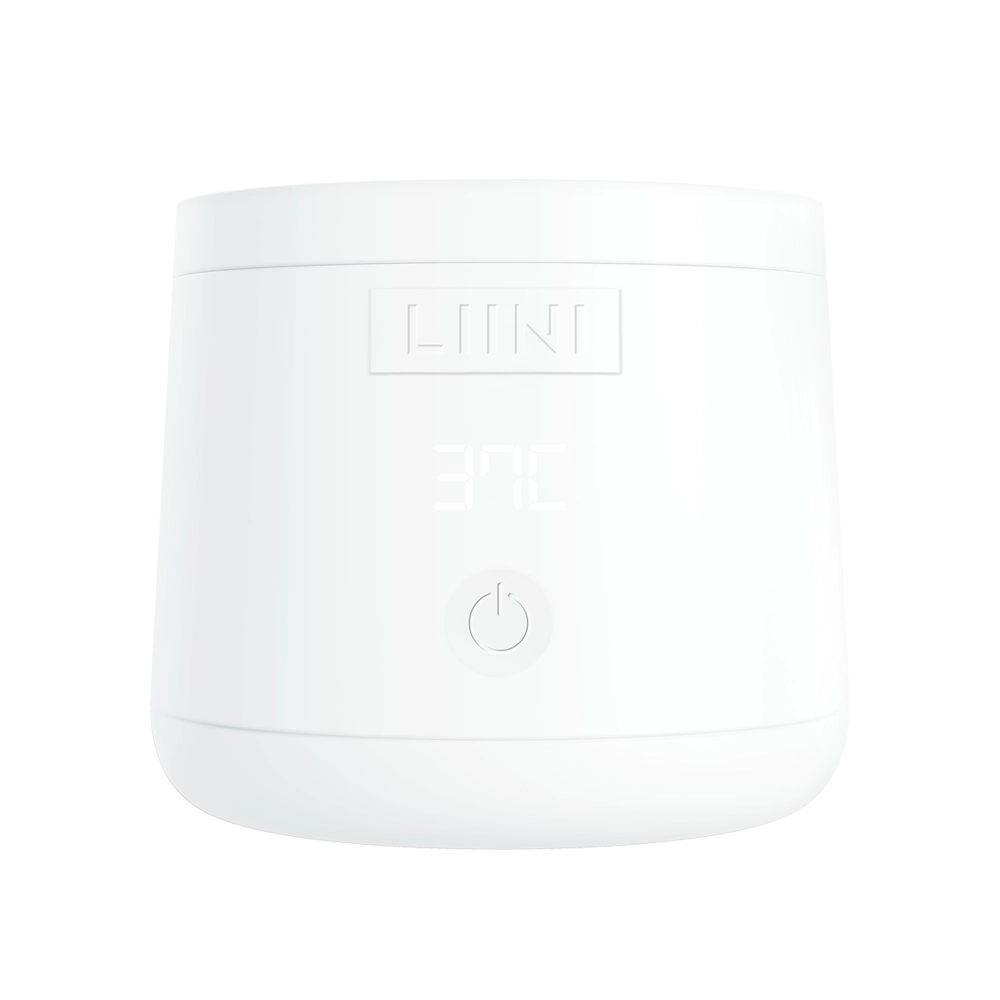
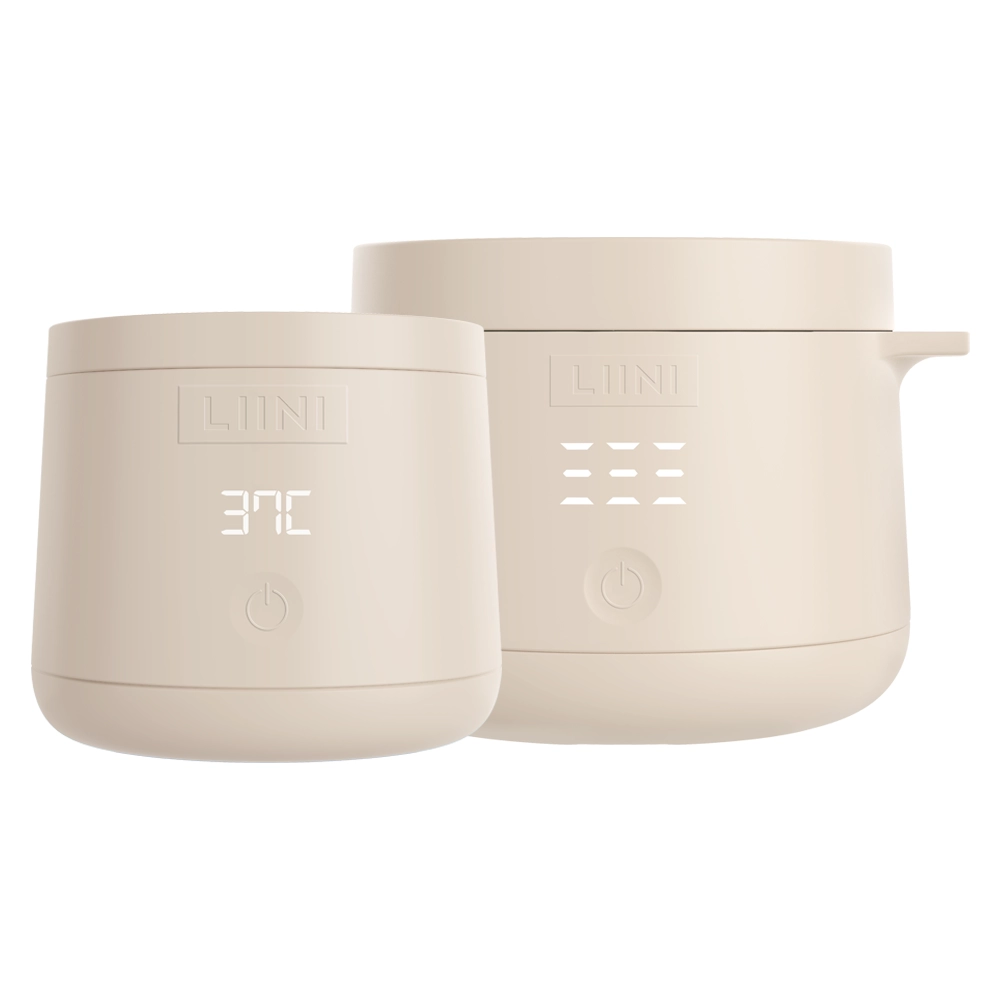
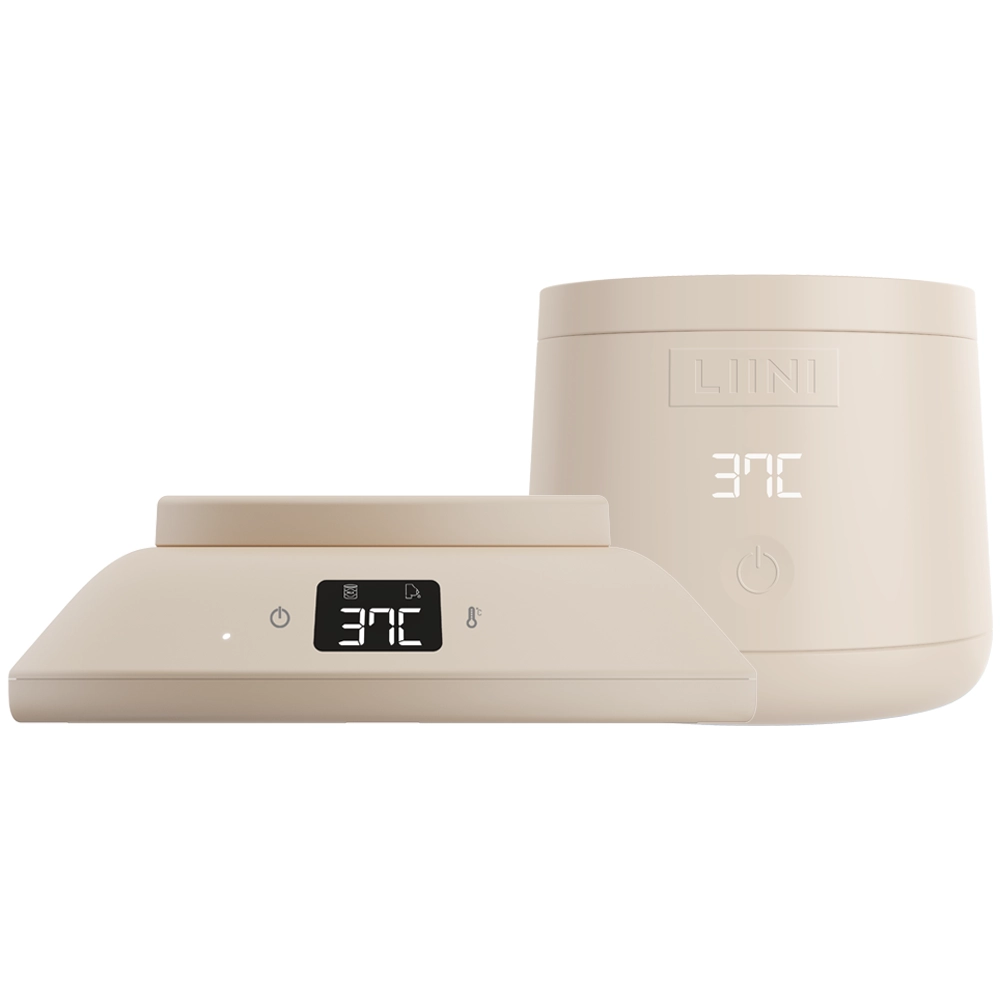
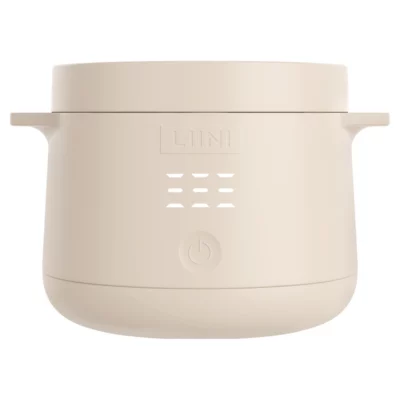
When you go on outings, pack the cooled baby food in an airtight container with an ice pack, and reheat it once you arrive—without needing an outlet, for example, in a battery-powered baby food warmer. The LIINI® 2.0 PRO baby food warmer holds up to 350 g, requires no temperature adjustment, and, according to LIINI, is suitable for both store-bought and homemade baby food. The guide “Keeping Baby Food Warm on the Go” offers additional tips.
Frequently Asked Questions
When can my baby start eating carrot puree?
Starting when you begin introducing solid foods—that is, no earlier than the beginning of the 5th month and no later than the beginning of the 7th month of life. According to the BLV, carrots are low in nitrates and are therefore particularly suitable for the first baby foods.
Do I need to cook the apple for the baby food?
No. According to the BLV, more vitamins are preserved when apples are eaten raw or finely grated; when briefly steamed, they are easier to digest. Both work.
Can I freeze carrot puree?
Yes. If quickly cooled and frozen in portions, it will keep for up to 2 months at −18 °C. Once you’ve thawed the porridge, reheat it only once and do not refreeze it.
Can my baby turn orange from eating carrots?
This happens sometimes and is harmless: According to the Professional Association of Pediatricians, if a child eats a lot of vegetables containing yellow food coloring—such as carrots—the tip of the nose, the palms of the hands, and the soles of the feet may sometimes turn yellowish. Unlike in cases of jaundice, the whites of the eyes remain clear. Be sure to have any yellowing of the skin checked by a doctor.
Sources
- Nutrition for Infants and Toddlers: Complementary Foods, Federal Office for Food Safety and Veterinary Affairs (BLV)
- Nutrition for Infants and Toddlers: Recipes, Federal Office for Food Safety and Veterinary Affairs (BLV)
- Nutrition for Infants and Toddlers: Frequently Asked Questions, Federal Office for Food Safety and Veterinary Affairs (BLV)
- Fact Sheet: Infant Nutrition in the First Year of Life (2024, PDF), Swiss Society for Nutrition (SGE)
- Vegetable, Potato, and Grain Porridge, “Healthy Start to Life” Network
- Recipes for Baby Food, kinderschulthaft.de, Federal Institute for Public Health (BIÖG)
- Hygiene Related to Infant Nutrition, kindergesundheit-info.de, Federal Institute for Public Health (BIÖG)
- Complementary Foods: Eating Right from the Start (AGES, Ministry of Social Affairs, Federation of Social Insurance Carriers)
- Preparing Food Safely, NHS Best Start in Life
- Storing and Reheating Food, NHS Best Start in Life
- About Carrots, Federal Center for Nutrition (BZfE)
- Yellow skin in toddlers may be related to their diet, according to the Professional Association of Pediatricians (BVKJ), kinderaerzte-im-netz.de