
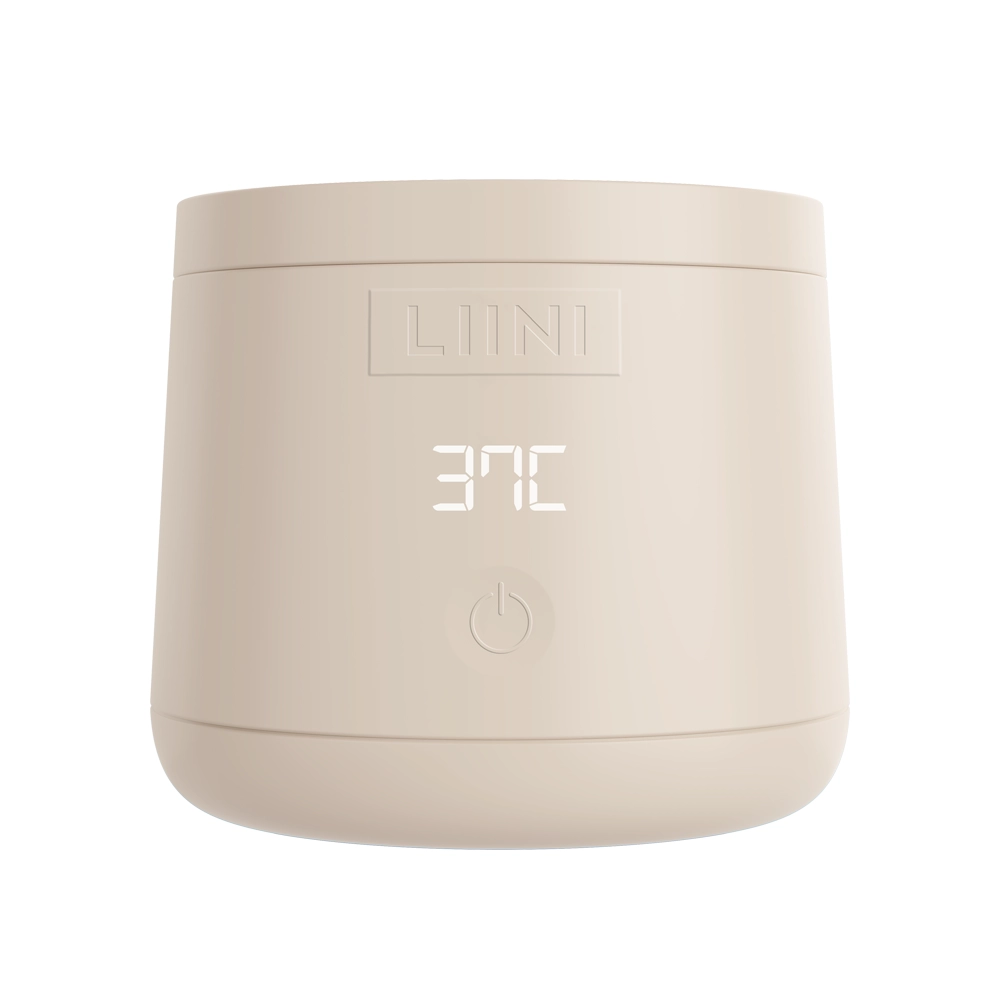
 4.0 PRObattery · on the go
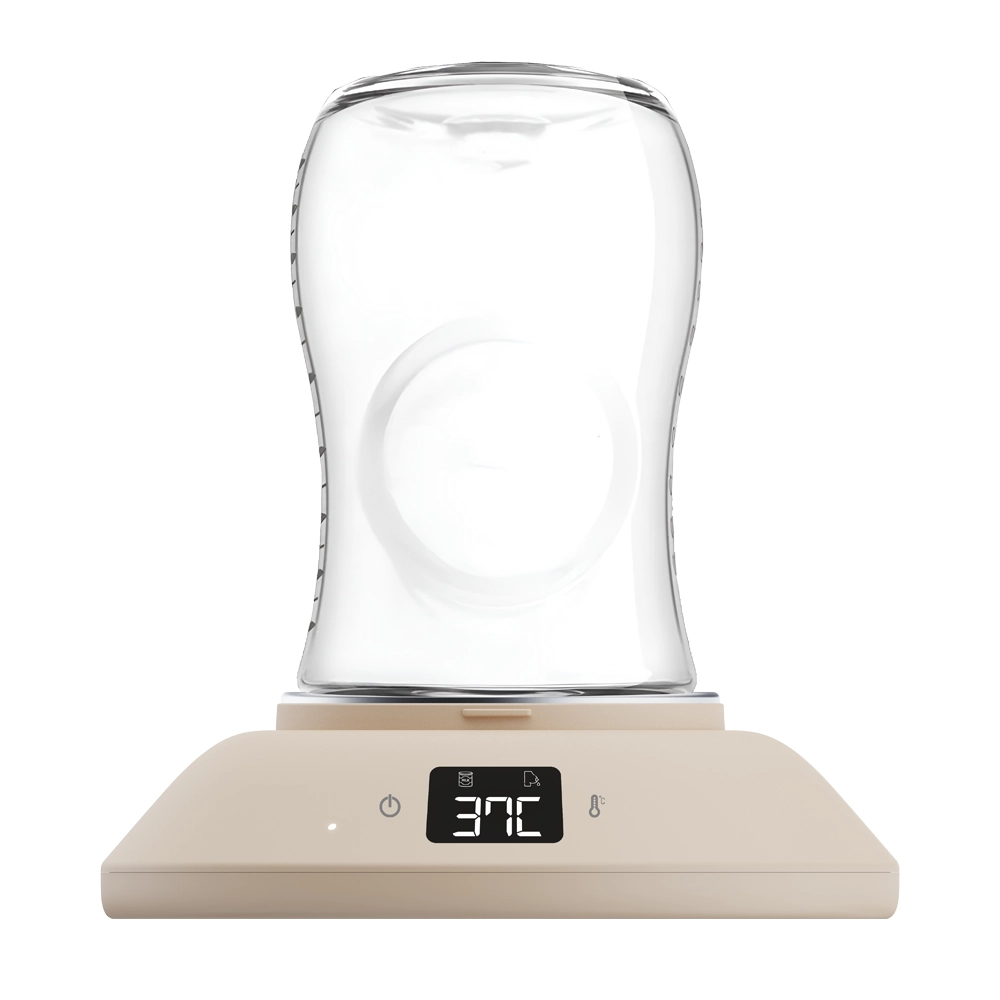 Home 230Vfor home
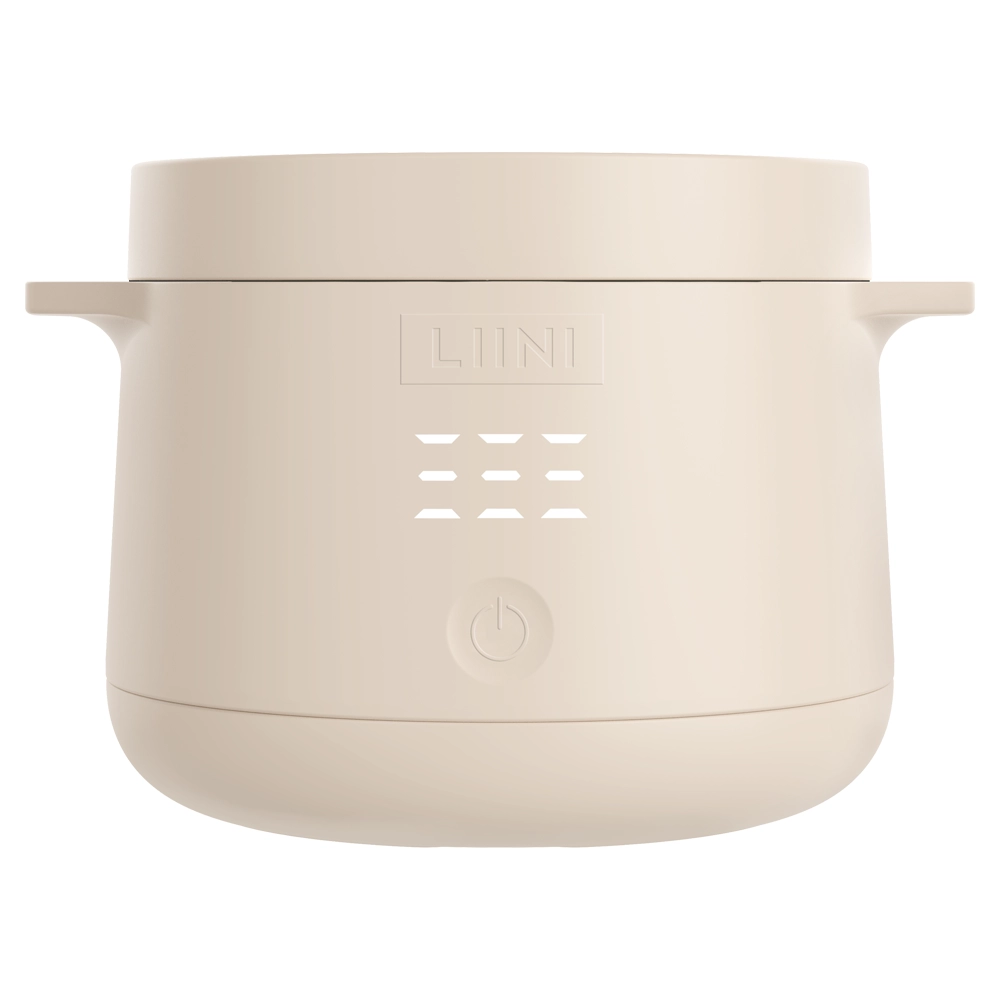 Baby food warmersfrom 6 months
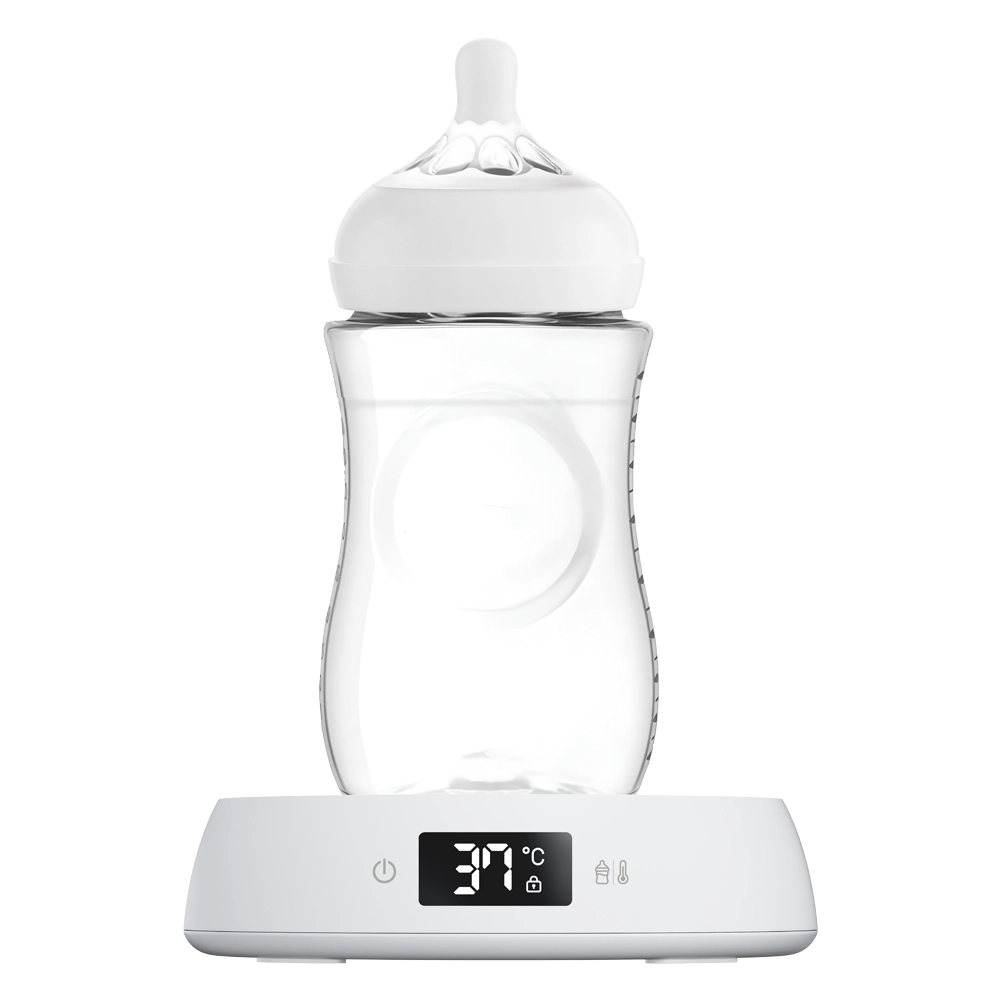 Night Stationfor the night




 Cleaning Wipes Monthly Pack
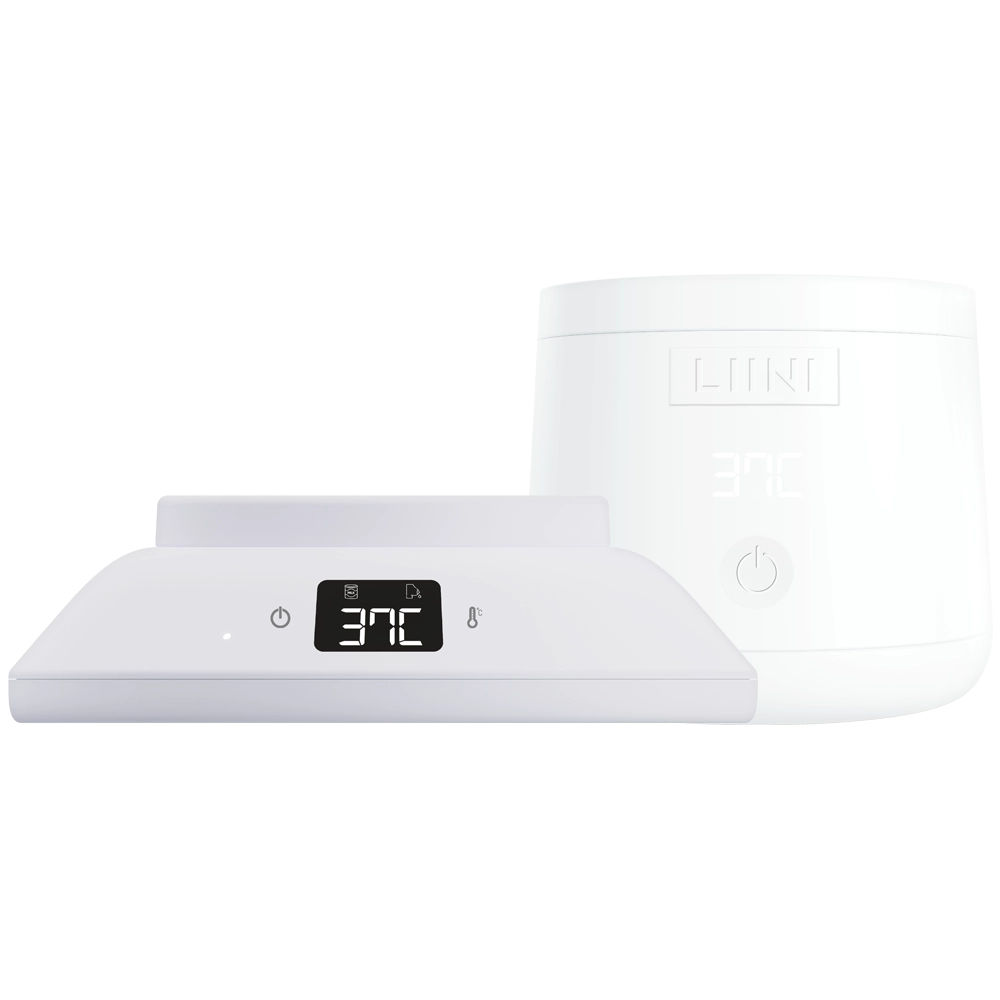 Home & 2Go Bundle
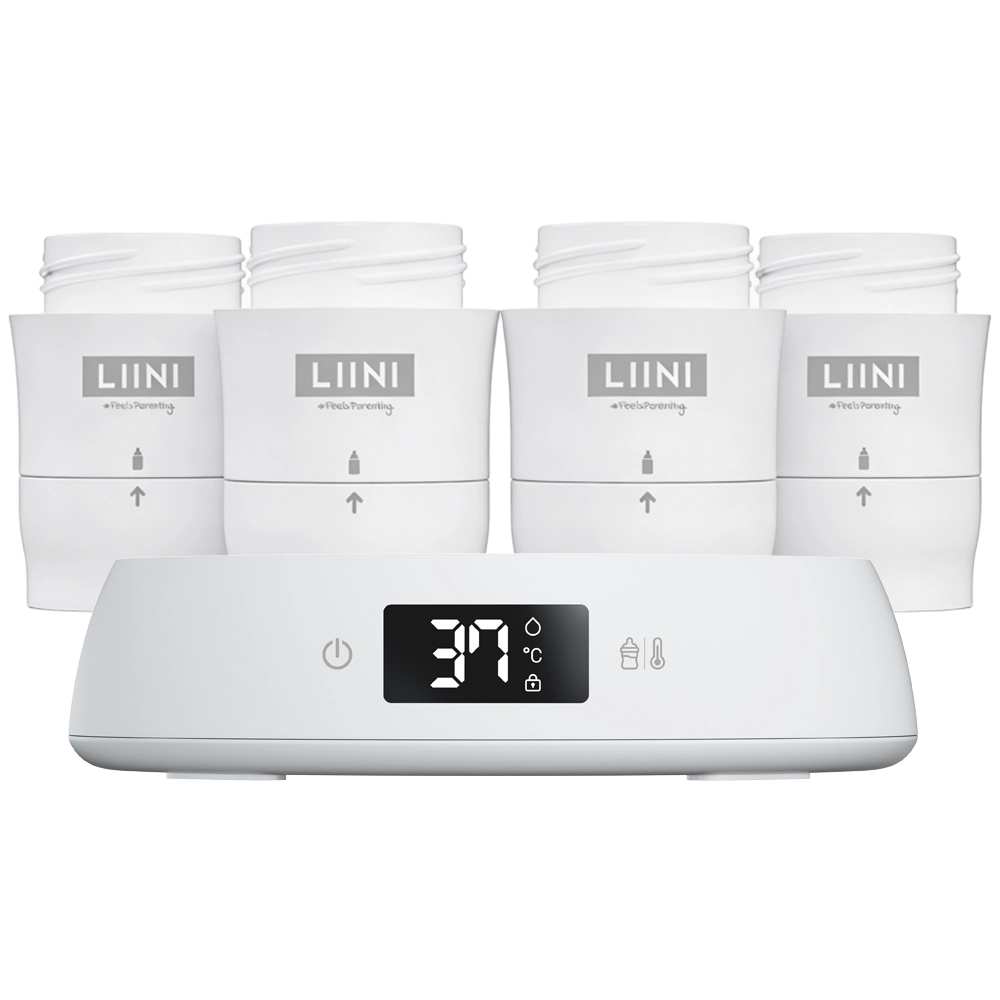 Formula Dispenser Avent
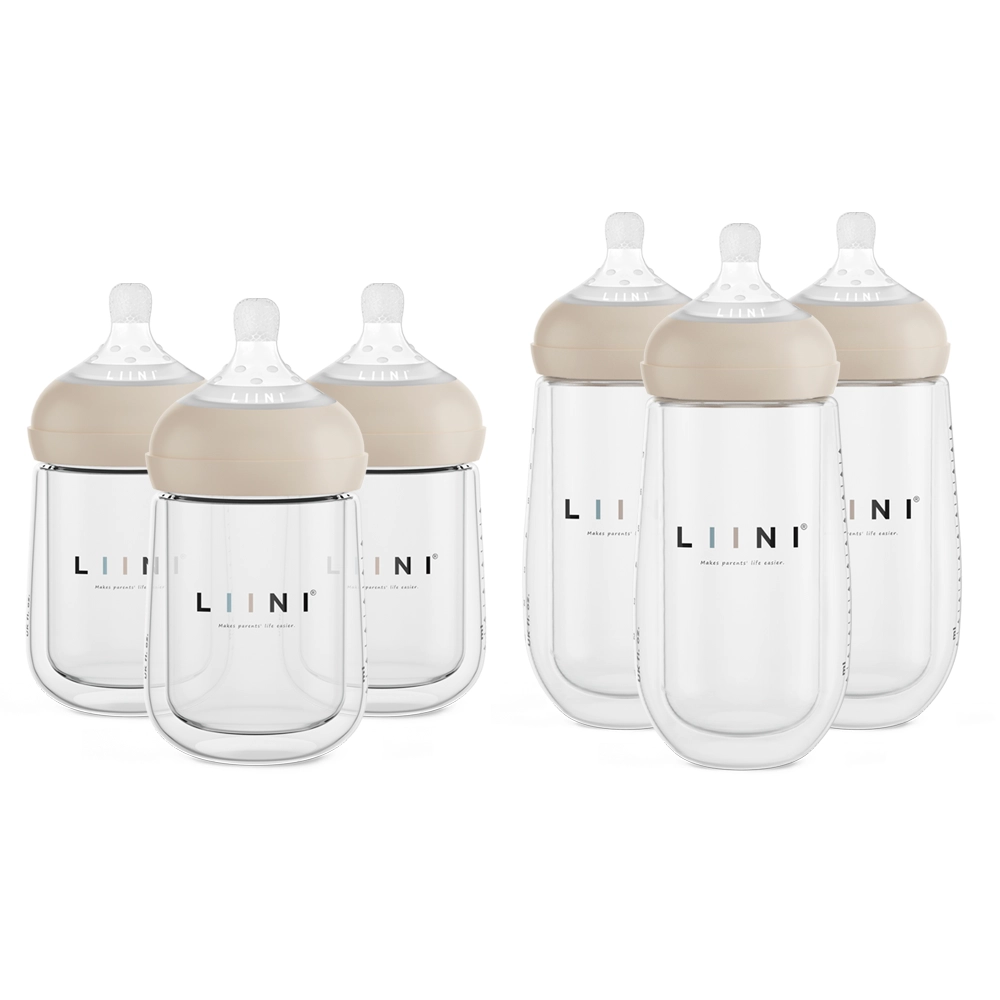 Baby Bottle Bundle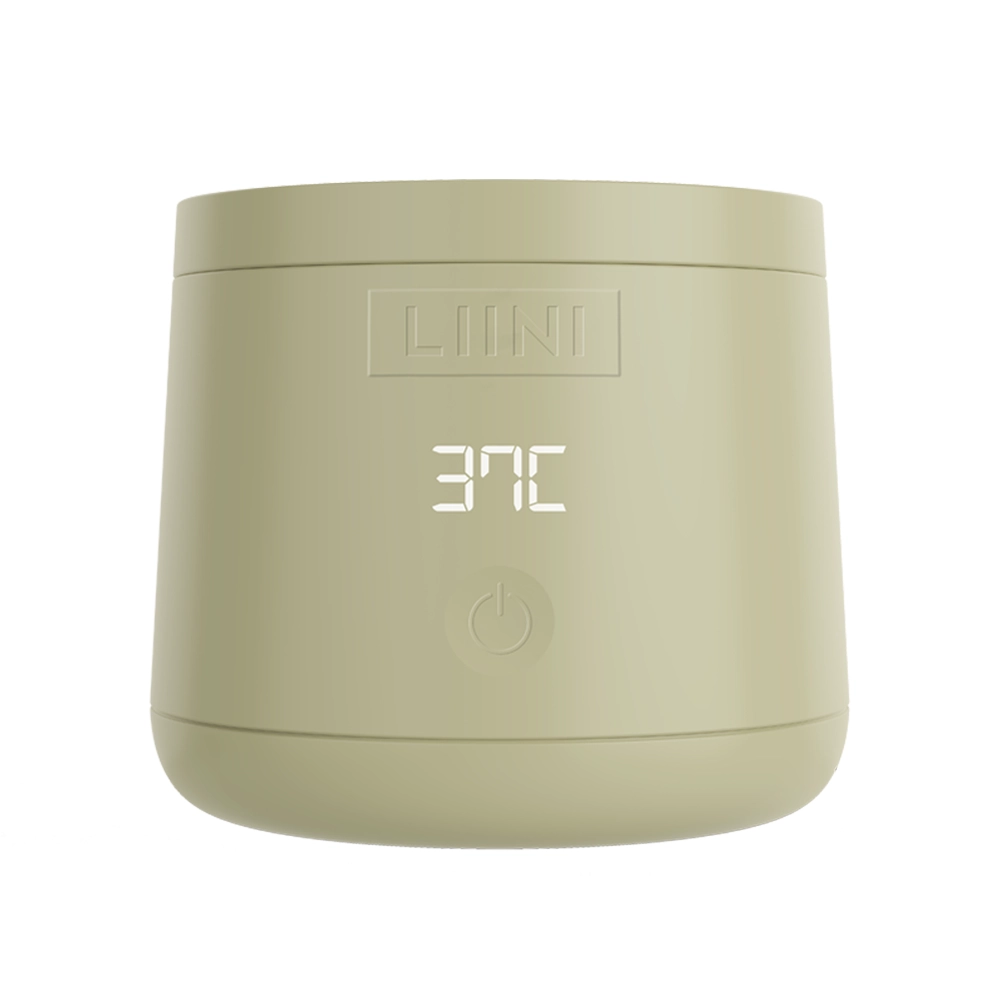












Pumpkin and rice porridge for babies: easy recipe
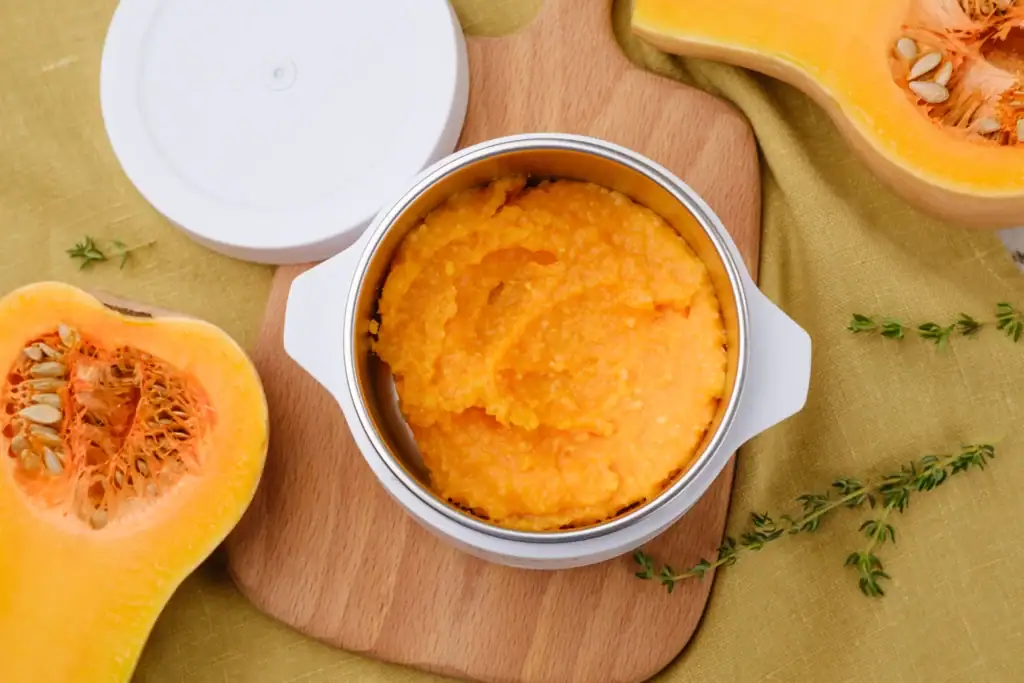
Pumpkin Puree with Rice for Your Baby: A recipe for 2 servings based on BLV guidelines, with a video, recommended pumpkin varieties, and tips on rice, arsenic, and freezing.
Contents
In short
To make pumpkin puree with rice for your baby, cook the pumpkin and a small amount of white rice in plenty of water for about 20 minutes, drain the cooking water, puree everything, and stir in some canola oil. Pumpkin is suitable once you start introducing solid foods, which is at the earliest at the beginning of the 5th month. Because rice contains arsenic, the BLV recommends that you only give rice porridge occasionally. Bitter-tasting pumpkins and ornamental pumpkins are not edible.
Pumpkin puree has a mild, slightly sweet flavor and is quick to make. This recipe makes two servings based on the quantities specified by the Federal Office for Food Safety and Veterinary Affairs (BLV). Instead of potatoes, add rice, as shown in the video.
Recipe: Pumpkin Rice Porridge
- Age: starting with the introduction of solid foods
- Servings: 2
- Prep time: 10 minutes
- Cooking time: 20 minutes
- Freezing: suitable
Ingredients for 2 servings
- 200 g pumpkin, prepared, such as Hokkaido, butternut, or nutmeg pumpkin
- 25 g white rice (2 tbsp)
- 500 ml of water for boiling
- 4–6 tablespoons of fresh water for pureeing
- 2–4 teaspoons of canola oil (1–2 teaspoons per serving)
Preparation
- Prepare and taste the squash. Wash the squash, remove the seeds and fibers, and taste a small piece of it raw. If it tastes bitter, throw the whole pumpkin away. Peel the butternut and nutmeg squash; you can use the Hokkaido squash with the skin on. Cut everything into cubes about 2 cm in size.
- Wash the rice: Rinse the rice thoroughly in a colander under running water.
- Precooking Rice: Bring the water to a boil in a pan (saucepan), add the rice, and let it simmer for 5 minutes.
- Cook the squash along with the rest. Add the diced squash and let everything simmer, covered, for about 15 minutes, until the rice and squash are very tender.
- Drain and puree: Pour everything into a strainer, discard the cooking water, and puree the squash and rice with fresh water until smooth. Without salt or spices.
- Stir in the oil and let it cool. Stir in 1–2 tsp of canola oil per serving. Let one serving cool to eating temperature and try it with your own spoon. Cool the second one immediately and put it in the refrigerator or freezer.

When is it okay to start feeding pumpkin puree? Age and Consistency
According to the BLV, pumpkin is one of the vegetables recommended for a baby’s first purees and is among the low-nitrate varieties you should choose at the beginning. In Switzerland, the introduction of solid foods begins no earlier than the start of the 5th month and no later than the start of the 7th month. You can find the right time to start in the section “Solid Foods: When and How to Start.”
- First spoonfuls: Start with plain, finely pureed pumpkin, and add the rice after a few days. According to the BLV, 10–15 g of rice, semolina, or pasta per serving (dry weight) can be used as a substitute for potatoes in vegetable puree.
- Coarser as they get older: According to the BLV, the porridge can be coarser as children get older. Then mash it with a fork.
- Finger foods: Starting no earlier than the 7th month, you can offer soft pieces of squash for your baby to eat on their own; see Baby-Led Weaning.
Squash Varieties and Rice: Here’s What to Look For
Which pumpkin? Hokkaido, butternut, and nutmeg squash are good choices. According to the Federal Center for Nutrition (BZfE), you can eat the tender Hokkaido squash skin. According to the BZfE, these three varieties do not hybridize with ornamental squash, so there is no risk that they will become bitter or poisonous as a result.
Attention
Ornamental pumpkins are not edible, and any pumpkin that tastes bitter should be thrown away. According to the Federal Institute for Risk Assessment (BfR), the bitter compounds (cucurbitacins) can cause vomiting, diarrhea, and abdominal pain. According to the BZfE, cooking does not destroy them; children are particularly at risk. If you suspect poisoning: Tox Info Suisse, call 145.
Rice and Arsenic: According to the BLV, rice absorbs arsenic from the soil particularly well; according to the BfR, inorganic arsenic is considered carcinogenic. According to the BLV, infants should therefore eat rice porridge and rice cakes only occasionally. Here’s how to keep the crowd small:
- Choose white rice: According to the BfR, brown rice contains more arsenic.
- Rinse and drain: According to the BLV and BfR, the level of this substance decreases if you rinse the rice, cook it in plenty of water, and drain the cooking water.
- Vary your grains: The BLV suggests oats, spelt, semolina, or millet as alternatives—for example, in strawberry-millet porridge.
Variants
- Potatoes instead of rice: 100 g of potatoes make the classic vegetable-potato puree, just like in the zucchini-potato puree.
- With meat or fish: According to the BLV, meat should be included regularly by the 7th month at the latest. Cook 20 g of lean meat (10 g per serving), cut into small pieces, along with the pumpkin until it is completely cooked through. Boneless salmon works just as well.
- With carrots: Half squash, half carrots; according to the FSVO, these are also not low in nitrates. Add the carrots to the pan with the rice.
Storage, Freezing, and On the Go
According to the BLV, pumpkin is low in nitrates, so the puree is suitable for pre-cooking.
- Refrigerate quickly: According to the BfR, leftover cooked rice should be placed in the refrigerator to prevent spores from developing into bacteria capable of multiplying. The porridge will keep there for up to 24 hours.
- Freezing: Store at −18 °C for up to 2 months in individual containers or an ice cube tray, labeled with the date.
- Reheating: Just before eating, reheat in a water bath, in a pan, or in the microwave—only once. Stir well, check the temperature, and throw away any leftovers.
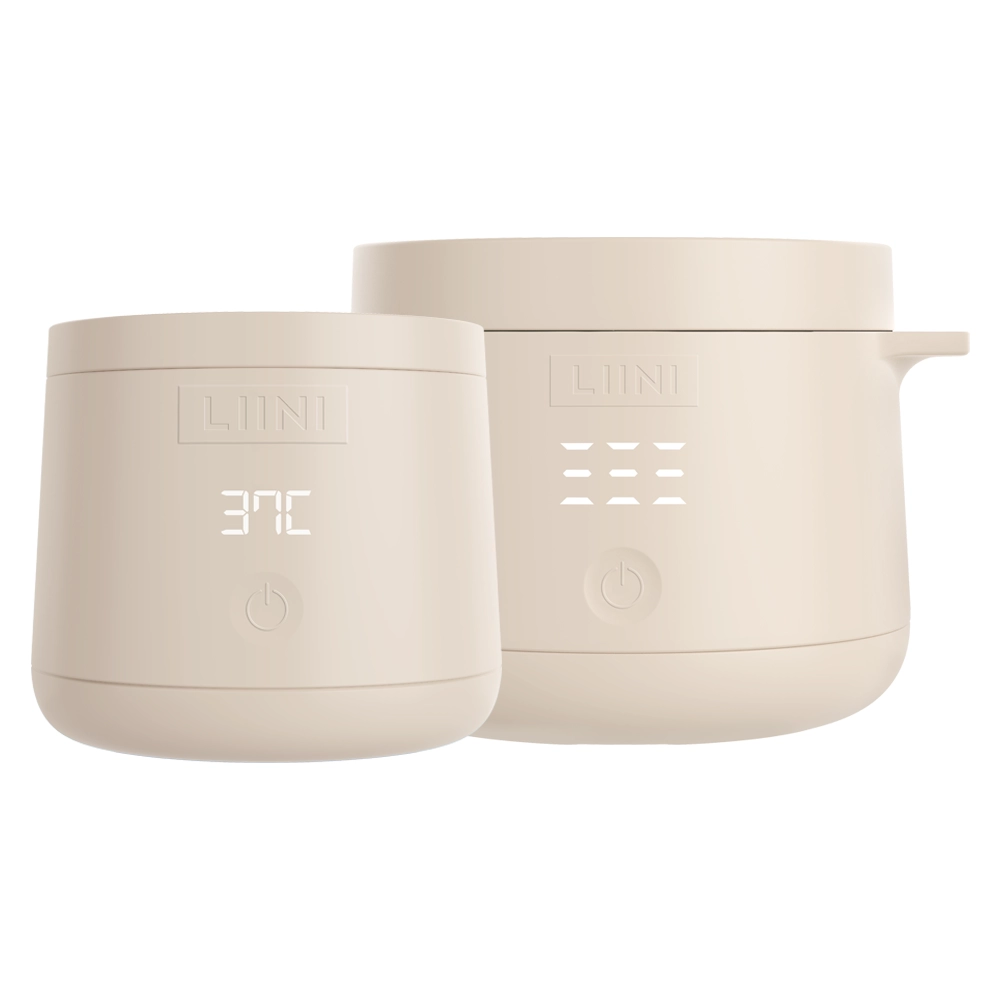
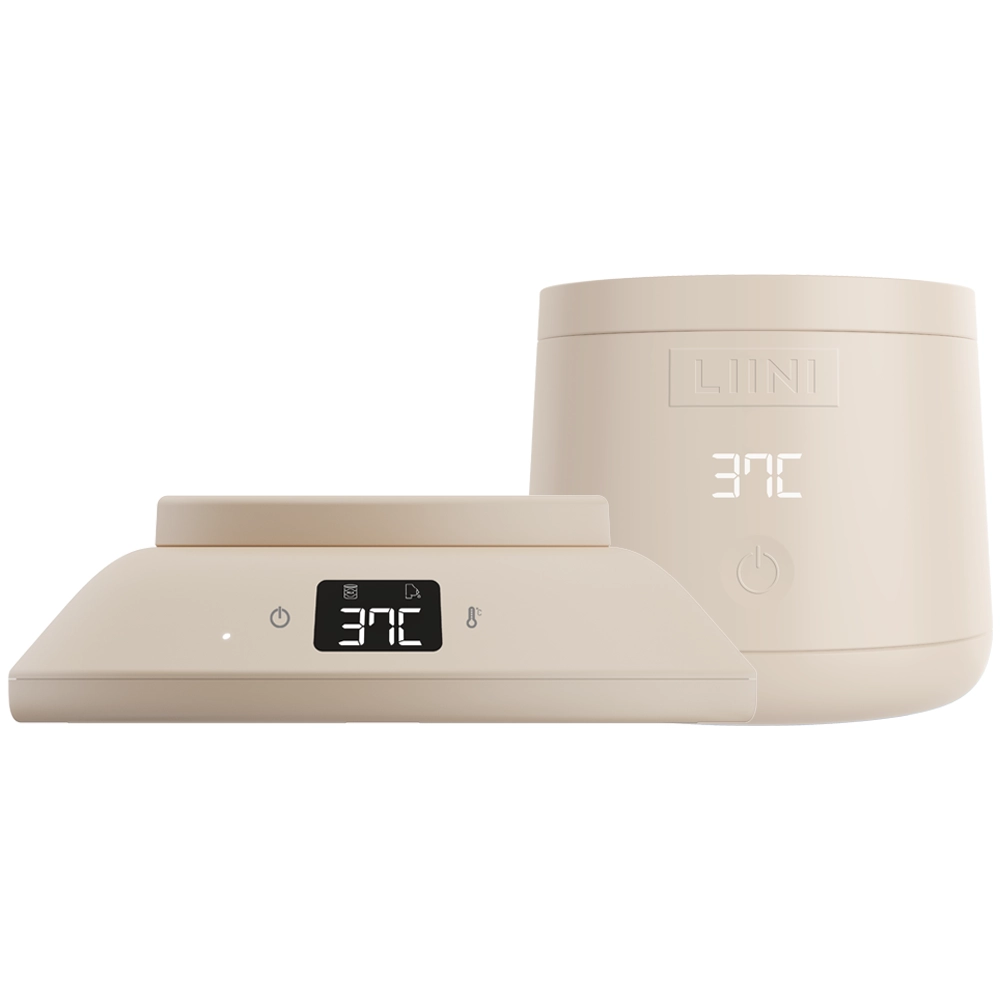
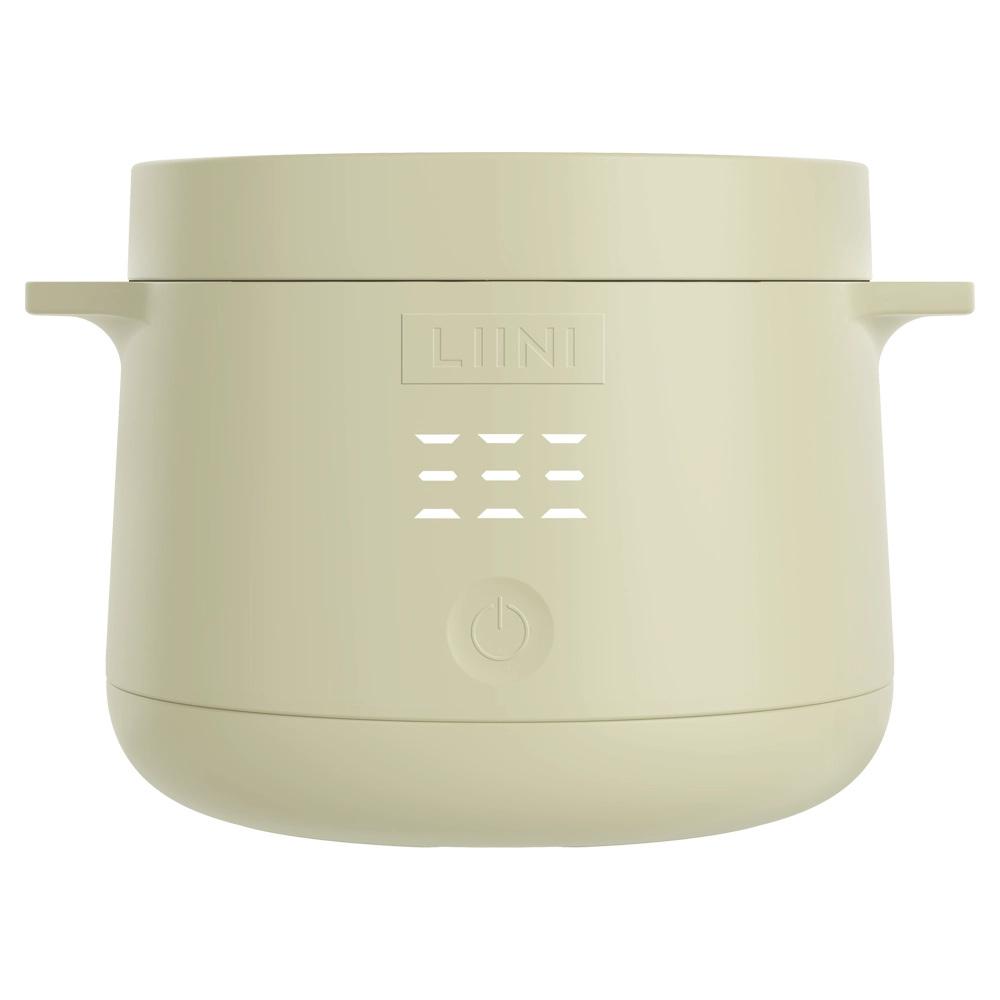
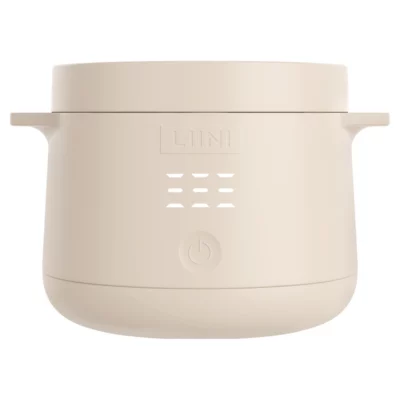
- On the go: Keep it cool using an ice pack and reheat it once you arrive. The LIINI® 2.0 PRO baby food warmer holds up to 350 g and does not require any temperature adjustment.
To learn how to stock up, see “Making Your Own Baby Food”; for tips on keeping baby food warm while on the go, see “Heating Up Baby Food on the Go.”
Frequently Asked Questions
When can my baby start eating pumpkin?
Starting when you begin introducing solid foods—that is, no earlier than the beginning of the 5th month and no later than the beginning of the 7th month. The BLV lists pumpkin as a vegetable suitable for a baby’s first puree and classifies it as a low-nitrate variety.
Which type of squash is best for baby food?
Hokkaido, butternut, and nutmeg squash. According to the BZfE, they do not crossbreed with the poisonous ornamental pumpkins. Still, always try a small piece of it raw, and throw away any bitter squash.
Do I need to peel Hokkaido for baby food?
No, according to the BZfE, you can eat the tender Hokkaido skin. For a very smooth first baby food, you can peel them; you should always peel butternut squash and nutmeg squash.
How often can my baby eat rice porridge?
Only occasionally, because according to the BLV, rice is the plant-based food with the highest levels of arsenic. Vary your choices with potatoes, oats, spelt, semolina, or millet, and always drain the water from the rice.
Can I freeze pumpkin puree?
Yes. Cool it quickly and freeze it in portions at −18 °C; it will keep for up to 2 months. Reheat each serving only once.
Sources
- Nutrition for Infants and Toddlers: Complementary Feeding, Federal Office for Food Safety and Veterinary Affairs (BLV)
- Nutrition for Infants and Toddlers: Recipes, Federal Office for Food Safety and Veterinary Affairs (BLV)
- Nutrition for Infants and Toddlers: Frequently Asked Questions, Federal Office for Food Safety and Veterinary Affairs (BLV)
- Arsen, Federal Office for Food Safety and Veterinary Affairs (BLV)
- FAQ on Arsenic (PDF), Federal Office for Food Safety and Veterinary Affairs (BLV)
- Questions and Answers on Arsenic Levels in Rice (PDF), Federal Institute for Risk Assessment (BfR)
- Consumer Tips: Bacterial Toxins (PDF), Federal Institute for Risk Assessment (BfR)
- Caution When Eating Bitter Zucchini (PDF), Federal Institute for Risk Assessment (BfR)
- Hokkaido, Butternut, and More, Federal Center for Nutrition (BZfE)
- Do not eat bitter pumpkins or zucchini, Federal Center for Nutrition (BZfE)
- The bitter aftertaste of “poisonous pumpkins” and “killer zucchini,” Tox Info Suisse
- Hygiene Related to Infant Nutrition, kindergesundheit-info.de, Federal Institute for Public Health (BIÖG)
- Storing and Reheating Food, NHS Best Start in Life